Key performance
Technical specifications
Engine
- Displacement
- 998 cc
- Power
- 200.0 ch @ 13500 tr/min (147.1 kW)
- Torque
- 112.8 Nm @ 11500 tr/min
- Engine type
- 4 cylindres en ligne, 4 temps
- Cooling
- liquide
- Compression ratio
- 13 : 1
- Bore × stroke
- 79 x 50.9 mm
- Valves/cylinder
- 4
- Camshafts
- 2 ACT
- Fuel system
- Injection
Chassis
- Frame
- périmétrique Diamond en aluminium
- Gearbox
- boîte à 6 rapports
- Final drive
- Chaîne
- Front suspension
- Fourche téléhydraulique inversée Ø 43 mm, déb : 120 mm
- Rear suspension
- Mono-amortisseur, déb : 120 mm
Brakes
- Front brakes
- Freinage 2 disques Ø 320 mm, fixation radiale, étrier 4 pistons
- Rear brakes
- Freinage 1 disque Ø 220 mm, étrier simple piston
- Front tyre
- 120/70-17
- Rear tyre
- 190/55-17
Dimensions
- Seat height
- 855.00 mm
- Fuel capacity
- 17.00 L
- Weight
- 199.00 kg
- Dry weight
- 179.00 kg
- New price
- 18 999 €
Overview
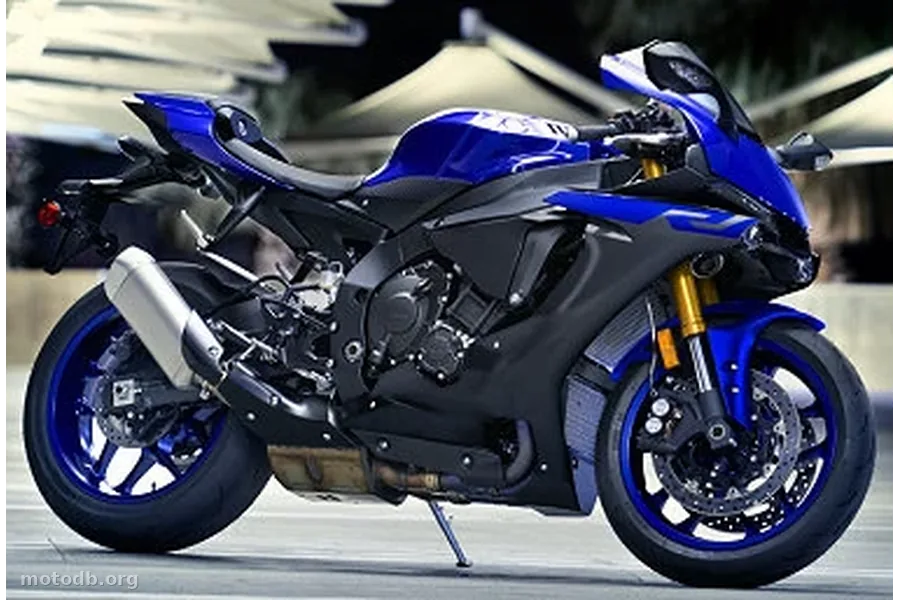
So, are we still wondering if the Yamaha YZF-R1 deserves its legendary status? Just take a look at the 2019 version to have the answer, an answer that thunders at 13,500 rpm. It's no longer just a road bike; it's a MotoGP prototype barely disguised, ready to bleed the asphalt. With precisely 200 horsepower, the crossplane engine cries out its return to the forefront, far from the 180 horsepower of previous generations that sometimes left the R1 behind a BMW S1000RR or a Ducati Panigale. The question "how many horsepower does the Yamaha YZF-R1 1000 have?" finds its peak here, a round and symbolic number that snaps like a flag planted in the camp of the performance war.
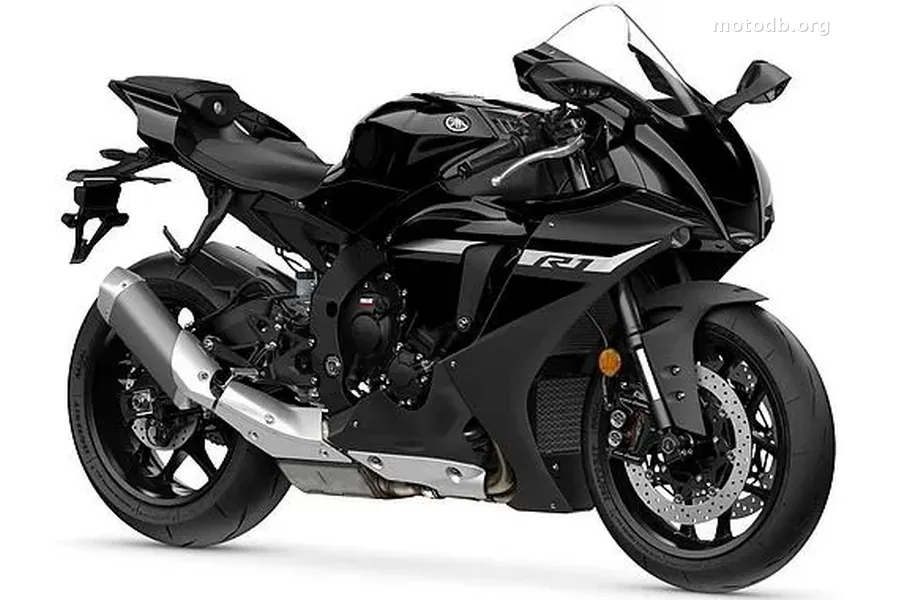
To house this fury, Yamaha has rethought everything. The Deltabox frame is more responsive, the wheelbase shortened, and superfluous grams have been eliminated with magnesium. The result is a dry weight of 179 kg that speaks to initiates. But the real revolution is invisible: an over-equipped electronic brain, piloted by a 6-axis unit. Traction control, wheelie control, launch regulator, it’s all there to tame the 112.8 Nm of torque. This is a philosophy opposite to that of models from the 2000s, such as the 2002 or the 2009, where the rider had to deal with a more raw engine. Here, the electronics are a brilliant co-pilot, even if some purists may regret this digital takeover of sensations.
On the track, this marriage between brute force and software is a shock. The KYB fork and monoblock brakes with radial calipers offer surgical feeling. The sound of the crossplane, that particular growl, remains a massive argument, even if the under-seat silencers have disappeared in favor of better mass centralization. With a 17-liter tank and a seat at 855 mm, the R1 2019 makes no concessions to comfort. It's a weapon designed for the stopwatch, end of story. A price of €18,999 logically places it in the court of high-end hypersportives, a significant investment but justified for those seeking ultimate effectiveness on the track.
For the touring rider or beginner, this machine is simply unsuitable, even dangerous. It is aimed at the experienced track rider, the one who understands that its 200 horsepower is not a marketing argument but a promise kept. Compared to a 2016 R1 or even a 2010 Factory Superbike, the difference is abysmal, both in terms of electronics and the responsiveness of the chassis. Yamaha hasn't created a new motorcycle; it has signed a manifesto. The YZF-R1 is no longer just another sportbike; it's a declaration of war, precise, cold, and terribly effective.
Standard equipment
- Assistance au freinage : ABS de série
Practical info
- La moto est accessible aux permis : A
Reviews & comments
No reviews yet. Be the first to share your opinion!