Key performance
Technical specifications
Engine
- Displacement
- 998 cc
- Power
- 150.0 ch (110.3 kW)
- Torque
- 107.9 Nm @ 8500 tr/min
- Engine type
- 4 cylindres en ligne, 4 temps
- Cooling
- liquide
- Compression ratio
- 11.8:1
- Bore × stroke
- 74 x 58 mm
- Valves/cylinder
- 5
- Camshafts
- 2 ACT
Chassis
- Frame
- deltabox,double poutre en alliage alu
- Gearbox
- boîte à 6 rapports
- Final drive
- Chaîne
- Front suspension
- Fourche téléhydraulique inversée 41 mm de diamètre, déb : 135 mm
- Rear suspension
- Mono-amortisseur, déb : 130 mm
Brakes
- Front brakes
- Freinage 2 disques Ø 298 mm, étrier 4 pistons
- Rear brakes
- Freinage 1 disque Ø 245 mm, étrier 2 pistons
- Front tyre
- 120/70-17
- Rear tyre
- 190/50-17
Dimensions
- Seat height
- 815.00 mm
- Fuel capacity
- 18.00 L
- Dry weight
- 175.00 kg
- New price
- 12 950 €
Overview
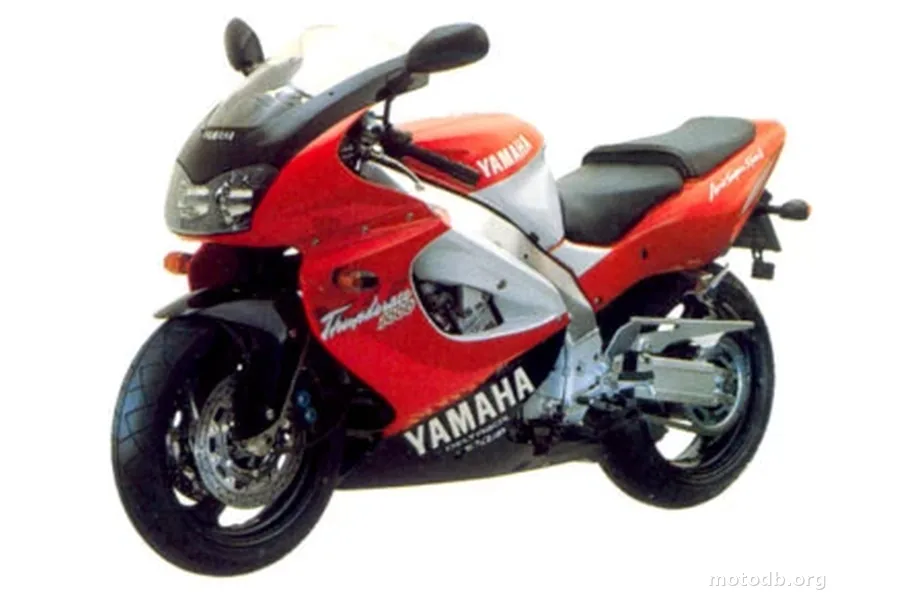
We often talk about motorcycles that have marked their era, but few have rewritten it. In 1998, when this Yamaha YZF-R1 appeared, it was an earthquake. Imagine for a moment: a 998 cm3 inline four-cylinder engine producing 150 horsepower, all wrapped in a Deltabox frame with a dry weight of only 175 kilograms. At the time, this power-to-weight ratio was a slap in the face to the entire competition, sweeping aside CBR 900 Fireblades and other ZX-9Rs with a wave of the hand. The radical sportbike was born, and it had no intention of mincing words.
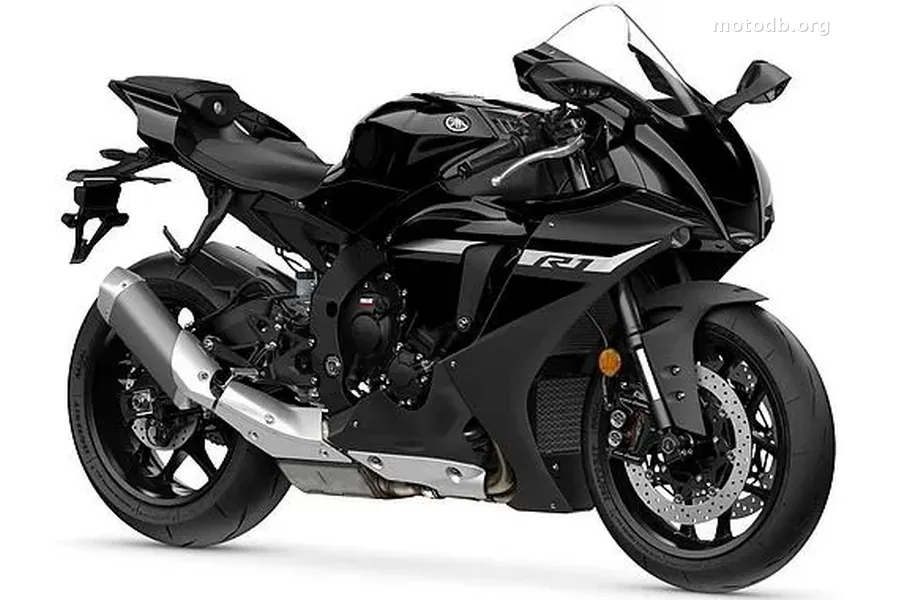
As soon as you straddle it, the tone is set. The 815 mm seat isn’t high, but it’s as hard as stone. The riding position is a manifesto in itself: torso pressed against the 18-liter fuel tank, wrists in full extension. It’s a combat posture, not a leisurely ride. Compared to a CBR 600 of the time, which seemed almost comfortable, the R1 brings you back in line in less than ten minutes in the city. Comfort? A concept absent from the specifications. The purpose of this machine is pure efficiency, and to that end, it is prepared to torture you on any journey that doesn’t end with a corner.
But all of that is forgiven as soon as the asphalt curves. There, the beast reveals itself. The engine is a marvel of controlled malice. With 107.9 Nm of torque available from 8500 rpm, the acceleration is lightning-fast, and the suppleness is surprising for such an extreme sportbike. However, you need an educated wrist, because any clumsiness with the throttle on corner exits can propel you into the scenery. The handling is formidable, the 41 mm inverted fork and the single shock absorber offer precise feedback, and the dual 298 mm front disc braking remains a benchmark. Some riders noted sensitivity to headshake on degraded surfaces, a small defect that confirmed its lively and demanding character.
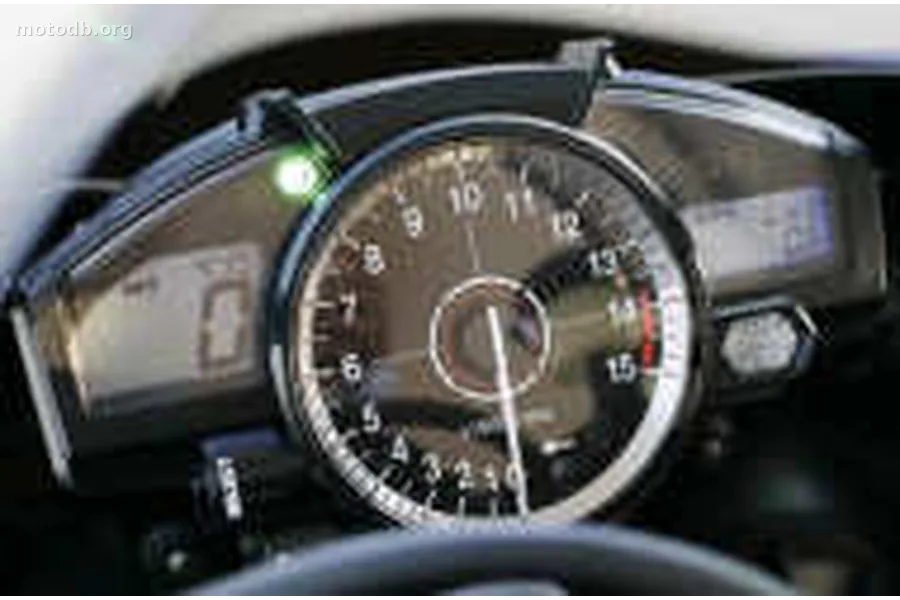
So, who is this legend for? Clearly not for a beginner, nor for the Sunday touring rider. It’s a demanding track bike, a tool that requires a good technical background to be fully tamed. Its new price of 12,950 euros made it a significant investment for the year 2000. Today, enthusiasts often seek to know what the price of a Yamaha YZF-R1 1000 from 2001 is in France to acquire this piece of history. Opinions on the Yamaha YZF-R1 1000 2002 or 2009 consistently state: it’s a machine that defined the modern sportbike, beautiful, carefully finished, and with a radicality never denied. It won’t pamper you, but it will offer you sensations that few motorcycles, even recent ones, can equal. It is simply a monument.
Practical info
- La moto est accessible aux permis : A
Reviews & comments
No reviews yet. Be the first to share your opinion!