Key performance
Technical specifications
Engine
- Displacement
- 998 cc
- Power
- 182.0 ch @ 12500 tr/min (133.9 kW)
- Torque
- 107.9 Nm @ 10000 tr/min
- Engine type
- 4 cylindres en ligne, 4 temps
- Cooling
- liquide
- Compression ratio
- 12.7:1
- Bore × stroke
- 78 x 52.2 mm
- Valves/cylinder
- 4
- Camshafts
- 2 ACT
- Fuel system
- Injection Ø 45 mm
Chassis
- Frame
- Deltabox en aluminium
- Gearbox
- boîte à 6 rapports
- Final drive
- Chaîne
- Front suspension
- Fourche téléhydraulique inversée Ø 43 mm, déb : 120 mm
- Rear suspension
- Mono-amortisseur, déb : 120 mm
Brakes
- Front brakes
- Freinage 2 disques Ø 310 mm, fixation radiale, étrier 6 pistons
- Rear brakes
- Freinage 1 disque Ø 220 mm, étrier simple piston
- Front tyre
- 120/70-17
- Rear tyre
- 190/55-17
Dimensions
- Seat height
- 835.00 mm
- Seat type
- Selle biplaces
- Fuel capacity
- 18.00 L
- Weight
- 206.00 kg
Overview
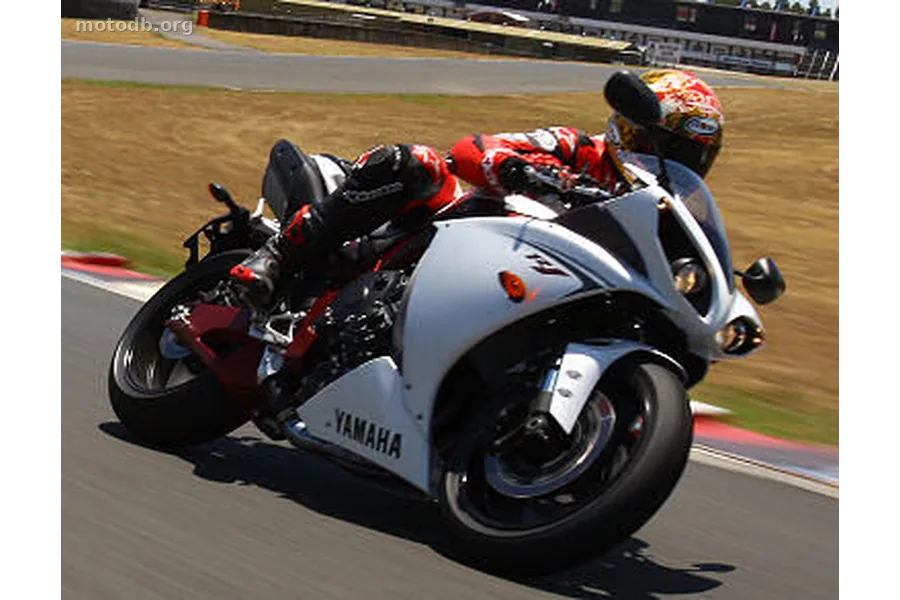
Do you remember that feeling, in 1998, when the first R1 redefined what a sport motorcycle could be? Ten years later, Yamaha asks us the same question with the 2009 R1. This time, they’re not just trying to impress us with numbers; they want to hypnotize us with a thinking machine. The heart of this machine, its 998 cc four-cylinder engine, is no longer a simple brute. With 182 horsepower delivered at 12,500 rpm, the power remains top-tier, but the innovation lies elsewhere. Yamaha has hacked the technology from its MotoGP M1 and injected it into a production motorcycle. The 90° crankshaft and asymmetrical firing sequence (270°-180°-90°-180°) are not gimmicks. They create a radically different, linear, almost telepathic power response. Traction becomes intuitive, the torque, with its 107.9 Nm at 10,000 rpm, unfolds like a regular wave rather than a lash. To the ear, the exhaust sings a new melody, deeper, more hoarse, a hymn directly inspired by the paddocks.
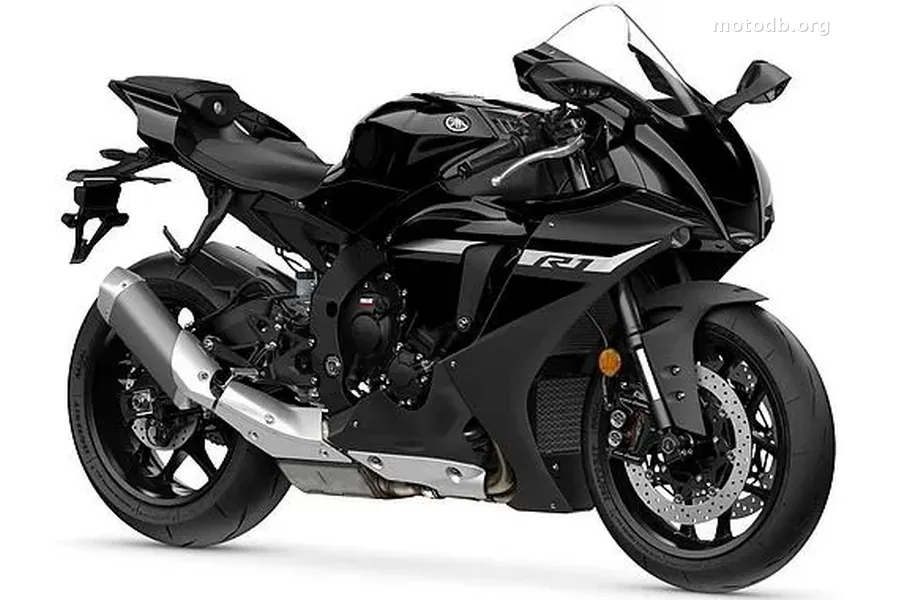
This mechanical revolution demands a chassis to match. The Deltabox aluminum frame is reworked, the engine positioned 12 mm further forward. The swingarm, painted in an aggressive red on some finishes, and the magnesium rear section announce the color: lightness is an obsession, even if the wet weight of 206 kg may raise an eyebrow. But on the road, or on a circuit, this 2009 R1 never feels heavy. The 43 mm inverted fork, with separate compression and rebound functions on each leg, offers a feeling of surgical precision. Radial six-piston calipers bite down on 310 mm discs with cold authority. Everything is designed so that the rider focuses on one thing: utilizing this new power, made accessible by the D-Mode settings that modulate the YCC-T injection response and the YCC-I variable intake.
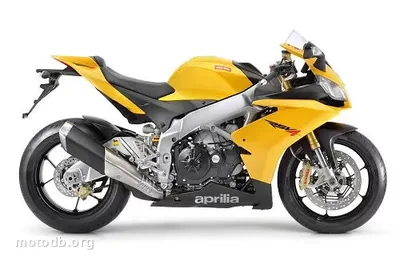
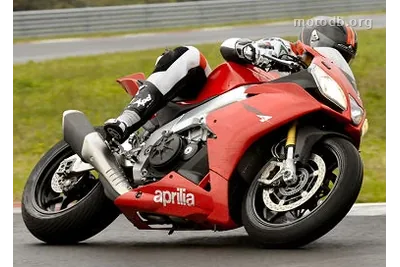
Let’s be frank about its positioning. Faced with a Honda CBR1000RR or a Suzuki GSX-R1000 of the time, the 2009 R1 no longer plays in the same league. It introduces a sophistication in power control that was then the exclusive domain of the Aprilia RSV4, its only serious rival that year. This is not a motorcycle for beginners; it’s a machine for the rider who understands that pure speed is no longer enough. It demands attention; it rewards with unprecedented precision. Its fuel consumption, like that of any high-performance hypersport, is not economical, but it’s the price for riding such technology.
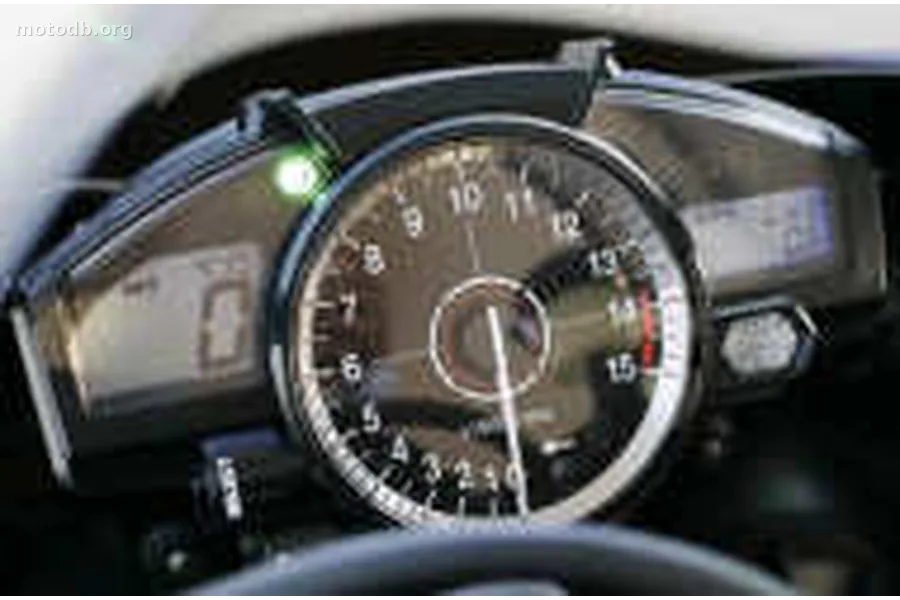
Opinions on the Yamaha YZF-R1 1000 2009 are often polarized. Some regret the complexity, the price that crossed the 15,000 euro mark, a significant jump. Others celebrate this motorcycle as a historical milestone, the one where racing truly infiltrated production models. When you look up the price of a Yamaha YZF-R1 1000 2016 in France today, you measure the evolution, but the 2009 R1 remains a pivotal model, a collector's item for tech enthusiasts. Its power, similar to that of the YZF-R1 1000 2008 or 2010, is no longer its main argument. Its genius lies in the way it is delivered. Yamaha didn’t just build a fast motorcycle; they built an intelligent one. And sometimes, in this world of numbers and maximum speeds close to 300 km/h, intelligence is the greatest revolution.
Practical info
- La moto est accessible aux permis : A
Reviews & comments
No reviews yet. Be the first to share your opinion!