Key performance
Technical specifications
Engine
- Displacement
- 998 cc
- Power
- 180.0 ch @ 12500 tr/min (132.4 kW)
- Torque
- 107.9 Nm @ 10500 tr/min
- Engine type
- 4 cylindres en ligne, 4 temps
- Cooling
- liquide
- Compression ratio
- 12.7:1
- Valves/cylinder
- 4
- Camshafts
- 2 ACT
- Fuel system
- Injection
Chassis
- Frame
- deltabox V double poutre en alu
- Gearbox
- boîte à 6 rapports
- Final drive
- Chaîne
- Front suspension
- Fourche téléhydraulique inversée Ø 43 mm, déb : 120 mm
- Rear suspension
- Suspension AR monoamortisseur, déb : 130 mm
Brakes
- Front brakes
- Freinage 2 disques Ø 310 mm, fixation radiale, étrier 6 pistons
- Rear brakes
- Freinage 1 disque Ø 220 mm, étrier 2 pistons
- Front tyre
- 120/70-17
- Rear tyre
- 190/50-17
Dimensions
- Seat height
- 835.00 mm
- Fuel capacity
- 18.00 L
- Dry weight
- 177.00 kg
- New price
- 13 790 €
Overview
The question is worth asking: how far can you push the concept of a hypersport without making it totally aseptic through electronics? In 2008, Yamaha answers with this YZF-R1, a fifth generation that marks a technological turning point as radical as it is risky. The legendary 20-valve cylinder head is gone, replaced by a conventional 16-valve design, but more importantly, welcome to the era of full-ride-by-wire with the YCC-I and YCC-T systems. The first varies the length of the intake runners to fill the infamous “dip” in the mid-range, a historical weakness of the R1 compared to the GSX-R 1000. The second, the Yamaha Chip Controlled Throttle, acts as a moderator between your wrist and the throttle butterflies. The result? A power output of 180 horsepower officially announced for the Yamaha YZF-R1 1000 2008, with a peak measured close to 190 horsepower in real-world conditions thanks to dynamic supercharging. This figure places the machine in the league of very high references, even against a Suzuki GSX-R 1000 K7, which is still remarkably consistent.
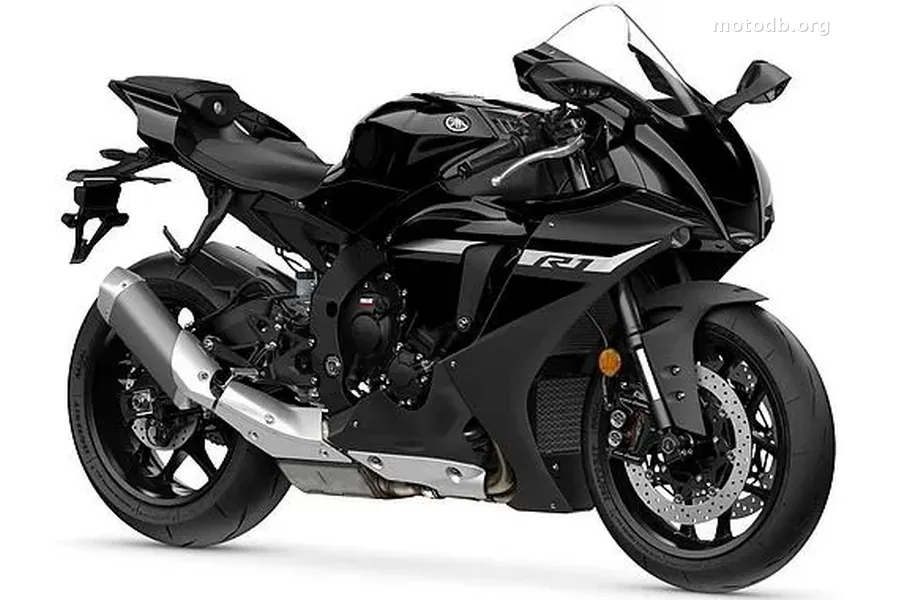
On paper, all of this smells like racing. The Deltabox frame is made stiffer, the swingarm is lengthened and reinforced, and the brakes take a leap forward with six-piston radial monoblock calipers, a first for a production model. Yet, when you’re in the saddle, the beast surprises with its approachability. The dry weight of 177 kg, coupled with a seat height of 835 mm, doesn’t make it the most welcoming for smaller riders, but its low center of gravity and overall balance instill immediate confidence. The engine is the real revolution. The power is there, massive, but it is delivered with deceptive progressiveness. The electronics smooth out the jolts, stretch the torque, and give the disconcerting impression of riding a machine less nervous than it actually is. It's terribly effective, especially on the track where stability and corner exit are king, but some purists will see it as a betrayal, a form of filtering of raw sensations. The price of this new Yamaha YZF-R1 1000 at the time, 13,790 euros, was justified by this technological extravagance, but raised questions about its real usefulness for the average road rider.
Because that’s really the heart of the debate. This R1 is a sharpened track weapon, a “factory superbike” barely disguised, whose performance is largely underutilized on the open road. Its average fuel consumption, if we dare to talk about it for such a machine, will be high, and its 18-liter tank imposes frequent stops if it is pushed hard. It clearly targets the demanding track rider or the thrill-seeker who is willing to delegate part of the control to silicon. Compared to its counterparts, it gains in sophistication and authority at high RPM, but perhaps loses a bit of that raw and unpredictable soul that characterized the previous generations. Opinions on the Yamaha YZF-R1 1000 2009, a very similar evolution, will often go in this direction: an incredibly capable performance tool, but which requires adaptation.
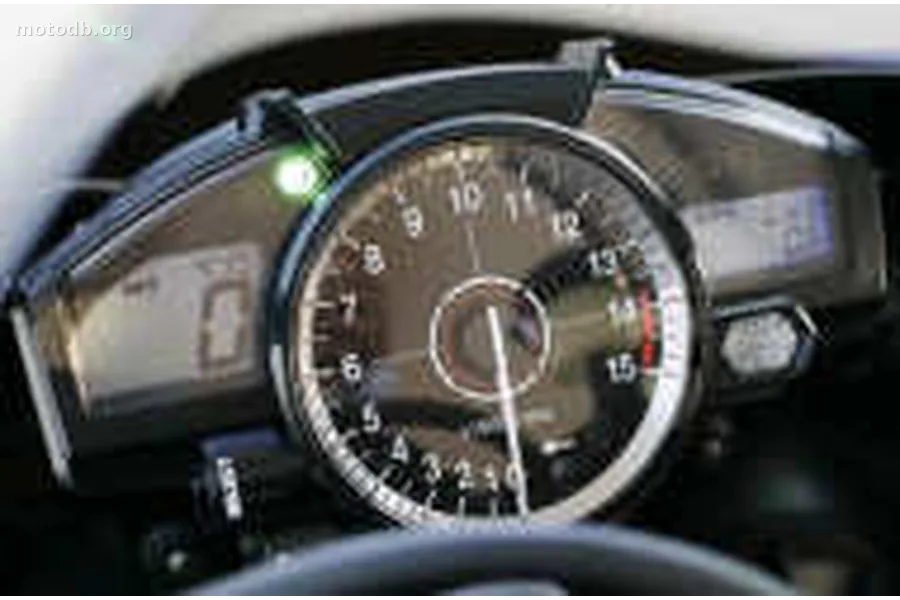
Ultimately, this R1 2008 is a motorcycle of contradictions. It is both easier and more extreme, more civilized and more radical. It closes one era and opens another, the one where electronic intelligence becomes a pillar of performance. For those seeking the ultimate reference in the category at that time, ready to sweep all the lap times, it is a must. For the motorcyclist seeking pure mechanical dialogue, it may seem a little too polished. One thing is certain: by laying the foundations of modern electronic hypersport, it has definitively changed the game. The price of a Yamaha YZF-R1 1000 from 2016 in France, even more evolved, stems directly from this philosophy initiated here.
Practical info
- La moto est accessible aux permis : A
Reviews & comments
No reviews yet. Be the first to share your opinion!