Key performance
Technical specifications
Engine
- Displacement
- 998 cc
- Power
- 200.0 ch @ 13500 tr/min (147.1 kW)
- Torque
- 112.8 Nm @ 11500 tr/min
- Engine type
- 4 cylindres en ligne, 4 temps
- Cooling
- liquide
- Compression ratio
- 13 : 1
- Bore × stroke
- 79 x 50.9 mm
- Valves/cylinder
- 4
- Camshafts
- 2 ACT
- Fuel system
- Injection
Chassis
- Frame
- périmétrique Diamond en aluminium
- Gearbox
- boîte à 6 rapports
- Final drive
- Chaîne
- Front suspension
- Fourche téléhydraulique inversée Ø 43 mm, déb : 120 mm
- Rear suspension
- Mono-amortisseur, déb : 120 mm
Brakes
- Front brakes
- Freinage 2 disques Ø 320 mm, fixation radiale, étrier 4 pistons
- Rear brakes
- Freinage 1 disque Ø 220 mm, étrier simple piston
- Front tyre
- 120/70-17
- Rear tyre
- 190/55-17
Dimensions
- Seat height
- 855.00 mm
- Fuel capacity
- 17.00 L
- Weight
- 199.00 kg
- Dry weight
- 179.00 kg
- New price
- 18 999 €
Overview
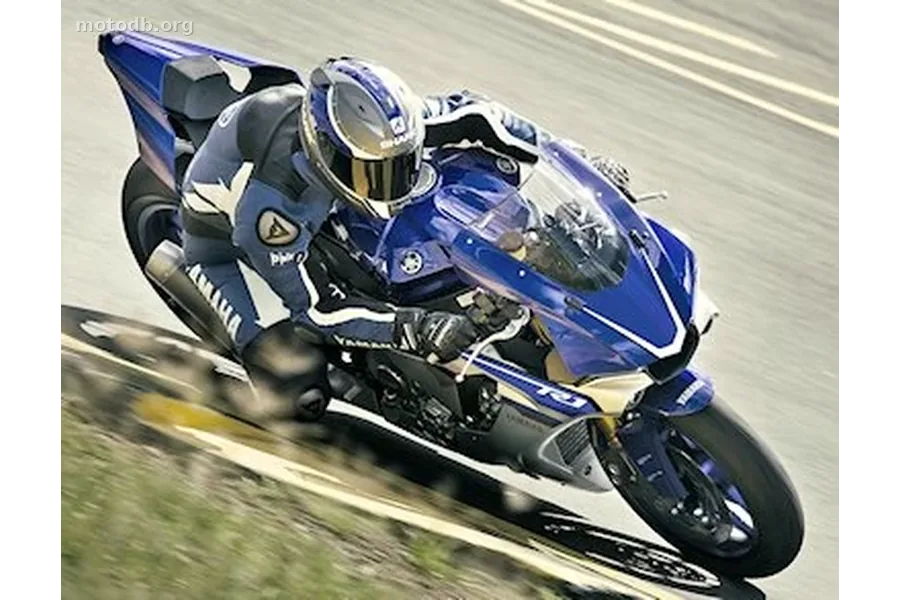
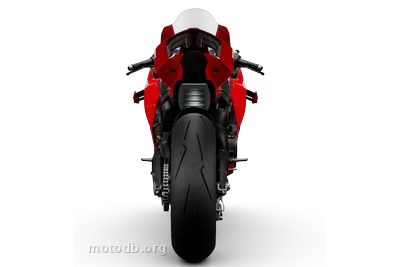
It begins with a distant gaze, a face consumed by aerodynamics. You have before you a Yamaha YZF-R1 2017, but you are still searching for the motorcycle. What is presented is a radical proposition, a performance tool that has sacrificed all suggestive curves for glacial efficiency. Yamaha made the bold decision to transform its legendary sportbike into a production prototype, a vehicle where every gram and every line serve a single purpose: speed. This is far from the R1 of the 2000s, the one that seduced with its voluptuous design; here, it is the logic of the stopwatch that reigns supreme.
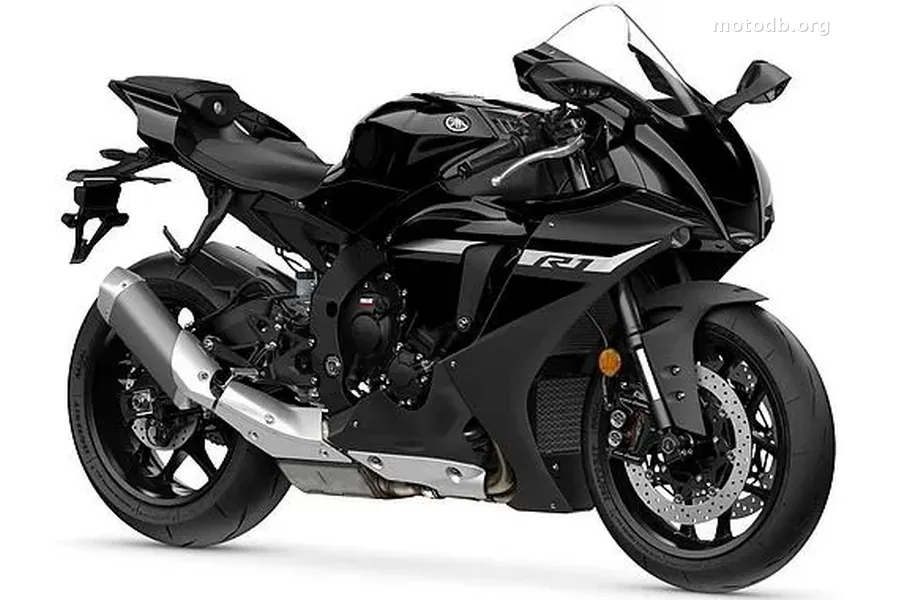
The heart of this transformation lies in its engine, a block that has finally found its place among the kings of the category. With 200 horsepower at 13,500 rpm, the R1 no longer simply follows, it dominates. This power, a gain of nearly 10% over the previous generation, allows it to hold its own against benchmarks like the BMW S1000RR or the Kawasaki ZX-10R. The secret? Intense work on the famous Crossplane engine, with titanium connecting rods, a compression ratio of 13:1, and an intake inspired by the M1 MotoGP bike. The sound remains that characteristic growl, that irregular heartbeat that has distinguished the Yamaha since the introduction of cross-plane timing in 2009. It’s a clear answer to those who asked how many horsepower the Yamaha YZF-R1 1000 has, because it now displays a figure that counts.
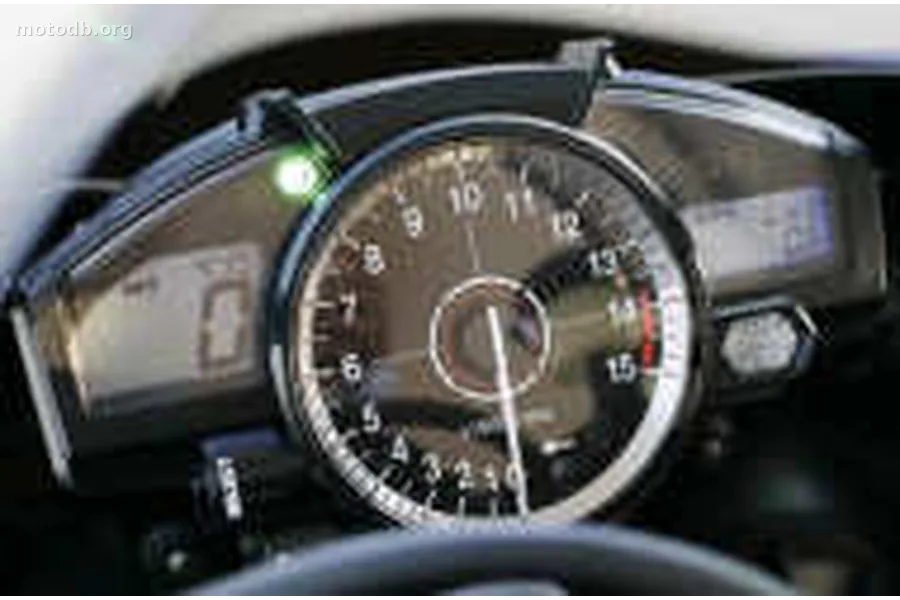
But 200 horsepower in a machine weighing less than 200 kg can be a recipe for disaster. Yamaha has therefore contained this fury within unprecedentedly sophisticated electronics. The six-axis IMU is the cornerstone, allowing the motorcycle to understand its attitude in three dimensions. This powers an arsenal of aids: adaptive traction control, a wheelie control system, a lateral slide regulator, and even a Launch Control for starts. The color TFT dashboard, with its Road and Track modes, provides the pilot with the information of a competition machine. It is a philosophy where technology does not seek to protect the novice, but to unleash the potential of the experienced rider.
This technological aggression is also reflected in the chassis. The Deltabox frame has been redesigned, the wheelbase reduced, and materials such as magnesium have been used for the wheels and some structural parts, eliminating every superfluous gram. The brakes, now with radial monoblock 4-piston calipers and braided hoses, offer a direct and constant feel, supported by ABS and combined braking. The 43 mm KYB inverted fork is fully adjustable, ready for serious work. Everything is designed so that the motorcycle changes direction with surgical precision and remains stable even when the speedometer approaches its theoretical 186 mph.
So, who is this R1? It is not for those seeking a beautiful silhouette in a café. It is the instrument of the determined track rider, the tech-savvy touring rider who wants the latest evolution, or even an endurance competitor looking for a serious base. Its price of €18,999 places it in the top tier, but it justifies every euro by its technological density. Compared to its ancestors, such as the 2009 R1 which stagnated around 180 horsepower, or the models of the 2000s, it represents a quantum leap. It also answers questions about the price of a Yamaha YZF-R1 1000 from 2016 in France, because this 2017 version is its direct culmination. Yamaha took a colossal aesthetic and mechanical risk, and produced a machine that speaks only to those who understand the language of pure performance. It is less a motorcycle than a statement.
Standard equipment
- Assistance au freinage : ABS de série
Practical info
- La moto est accessible aux permis : A
Reviews & comments
No reviews yet. Be the first to share your opinion!