Key performance
Technical specifications
Engine
- Displacement
- 999 cc
- Power
- 165.0 ch @ 11000 tr/min (118.4 kW)
- Torque
- 114.0 Nm @ 9250 tr/min
- Engine type
- In-line four, four-stroke
- Cooling
- Liquid
- Compression ratio
- 12.5:1
- Bore × stroke
- 80.0 x 49.7 mm (3.1 x 2.0 inches)
- Valves/cylinder
- 4
- Camshafts
- 2 ACT
- Fuel system
- Injection. Electronic Injection
- Valve timing
- Double Overhead Cams/Twin Cam (DOHC)
- Starter
- Electric
Chassis
- Frame
- Aluminium composite bridge frame, partially self-supporting engine
- Gearbox
- 6-speed
- Final drive
- Chain (final drive)
- Clutch
- Multiplate clutch in oil bath, slipper clutch, self-reinforcing
- Front suspension
- Upside-down telescopic fork 46 mm, compression and rebound stage adjustable
- Rear suspension
- Aluminium 2-sided swing arm, rebound damping adjustable
- Front wheel travel
- 150 mm (5.9 inches)
- Rear wheel travel
- 150 mm (5.9 inches)
Brakes
- Front brakes
- Double disc. ABS. Floating discs. Four-piston calipers.
- Rear brakes
- Single disc. ABS. Floating disc.
- Front tyre
- 120/70-ZR17
- Front tyre pressure
- 2.50 bar
- Rear tyre
- 190/55-ZR17
- Rear tyre pressure
- 2.90 bar
Dimensions
- Seat height
- 840.00 mm
- Wheelbase
- 1548.00 mm
- Length
- 2333.00 mm
- Width
- 917.00 mm
- Height
- 1411.00 mm
- Fuel capacity
- 20.00 L
- Weight
- 226.00 kg
- Dry weight
- 205.00 kg
- New price
- 17 900 €
Overview
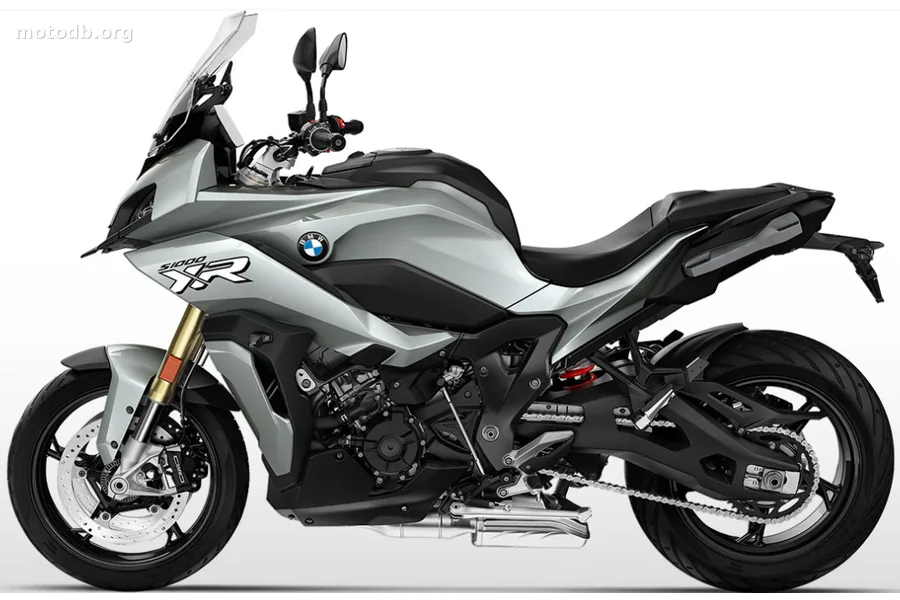
Imagine what happens when a BMW engineer returns home exhausted one evening, places the technical specifications of the S 1000 RR and the R 1250 GS side by side, and decides that the next morning he’s going to do something frankly unreasonable. The result is the BMW S 1000 XR. Not a trail bike pretending to be sporty on weekends, nor a superbike disguised as a tourer for technical inspections. Rather, a machine that has chosen its camp without really choosing one, and assumes this contradiction with a quiet arrogance displayed at €17,900.
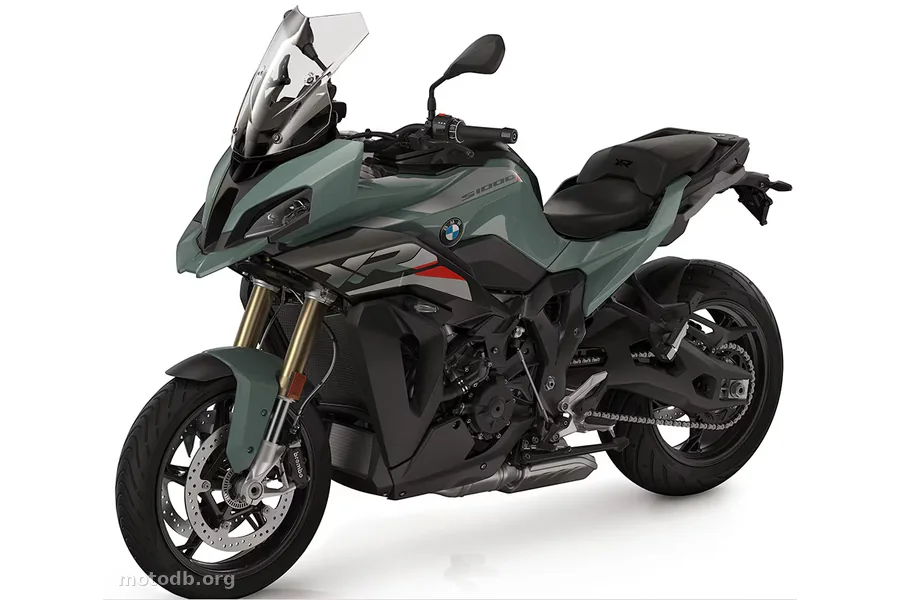
The inline four-cylinder engine with a displacement of 999 cc is the heart of the matter, and it deserves attention. BMW has taken the architecture of the latest generation RR, reworked its internals with shorter connecting rods, lighter rocker arms, a less demanding slipper clutch, and unified the water and oil pumps into a single module to shave off five kilos from the entire mechanical assembly. The Shiftcam, that variable valve timing system that is the pride of the superbike, was not carried over. BMW doesn’t really say why. Perhaps to preserve the RR’s status as an absolute machine. Perhaps for cost reasons in a segment where the Ducati Multistrada V4 and the KTM 1290 Super Adventure also jostle for position. It doesn’t matter. This engine produces 165 horsepower at 11,000 rpm and 114 Nm of torque at 9,250 rpm, figures that have no place in an honest trail bike. Below 8,000 rpm, the character remains manageable, almost poised. As soon as you exceed that threshold, a different conversation begins, much less polite, much more physical. The rider seeking smoothness at mid-range will be a little disappointed. The one who wants to feel a motorcycle arching in straight lines will be served without restriction.
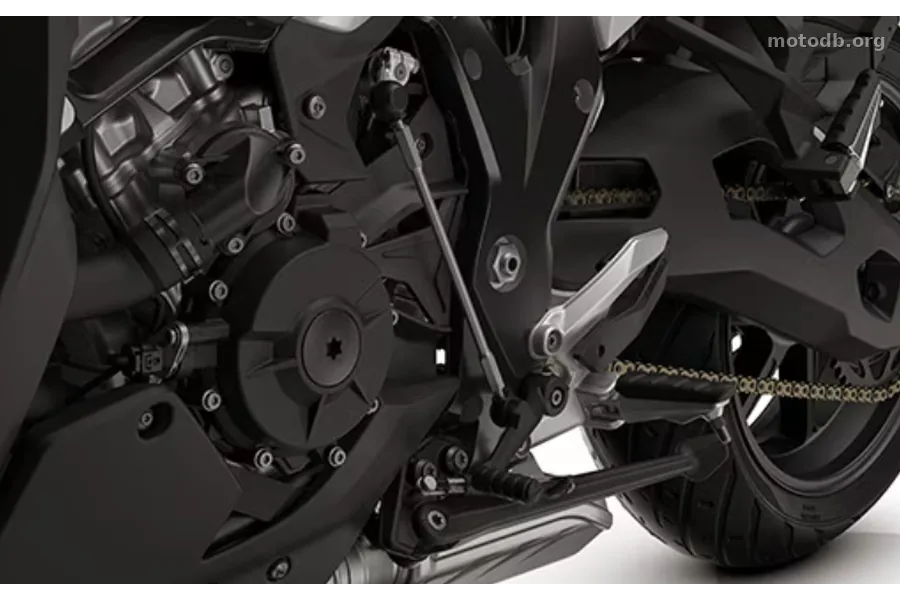
The chassis has also been profoundly revised. The aluminum composite frame more integrates the engine as a structural element, the swingarm becomes lighter and connects directly to the shock absorber without a linkage for greater responsiveness. Wheel travel increases to 150 mm on both sides, rake is slightly shortened, and the wheelbase of 1,548 mm is tightened a bit. The wheels come directly from the S 1000 RR and strip off an additional 1.8 kilos from the unsprung masses. Announced result: ten kilos lost compared to the previous generation. The tipping point is 226 kilos fully fueled, which puts the slimming operation into perspective a bit, but remains within the segment standard. The original Hayes four-piston calipers, which replaced the Brembos, do a serious job: biting, progressive, without brutality.
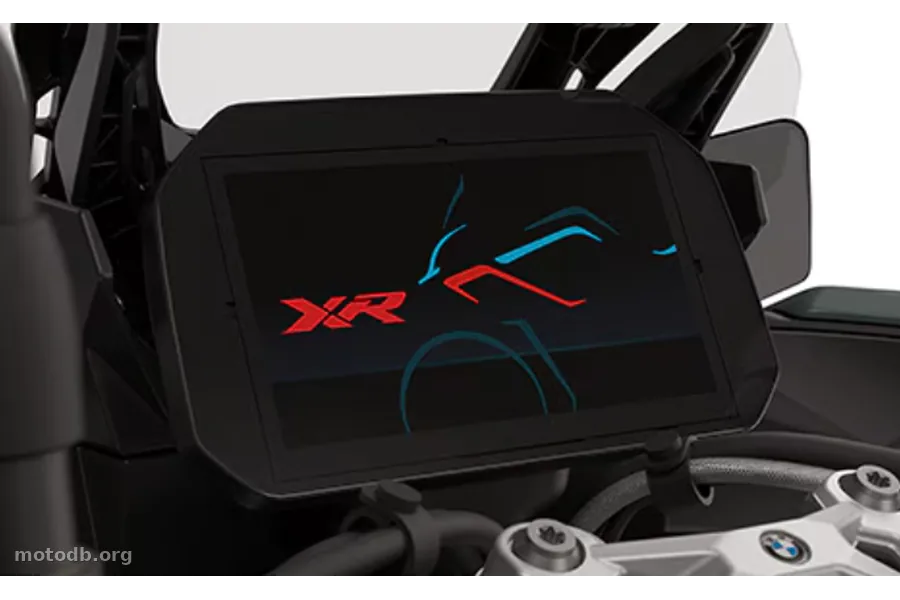
The onboard electronics have been seriously densified. Semi-active Dynamic ESA suspension becomes standard, the six-axis inertial unit opens the way to a cornering-functional ABS Pro, four riding modes replace the previous two, and Dynamic Brake Control prevents any premature opening of the throttle during braking. The 6.5-inch color TFT screen, inherited from the superbike, centralizes navigation, modes, lean angles, gear ratio, and braking intensity. It's dense, very dense, and it takes time to master all its layers. For those who want to go even further, the BMW S 1000 XR offers an extensive list of options, from integrated cases to the Up&Down shifter, through lightweight M rims and adaptive cornering lighting.
On board, the riding position remains that of a touring trail bike with a slight forward inclination, a handlebar narrowed by 30 mm and a rider advanced by 20 mm compared to the previous version. This is not a motorcycle for beginners. The stature, the power available at high rpm, and the responsiveness of the chassis demand experience and a certain lucidity in managing the potential. For the globetrotter who devours thousands of kilometers per year and wants to be able to afford a driving deviation without consequences, the BMW S 1000 XR 2020 is a coherent proposition, albeit expensive to purchase and potentially heavy in intensive use with luggage. Faced with the Multistrada or the SuperAdventure, it is less universal but sharper when the road empties and the speedometer starts to climb seriously. It is exactly what it promises, and it keeps its word.
Standard equipment
- Assistance au freinage : ABS de série
- Poignées chauffantes
Practical info
- La moto est accessible aux permis : A
Indicators & positioning
Similar bikes
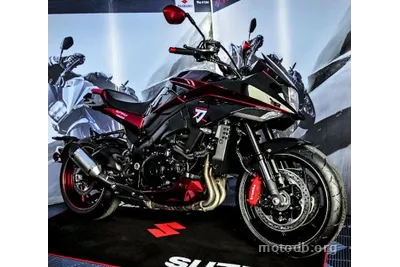
1000 Katana Motorlive Edition
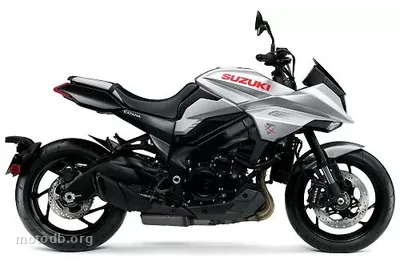
1000 Katana S
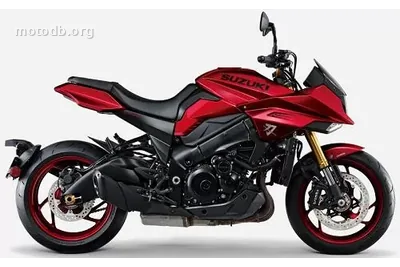
1000 Katana Candy Darling Red
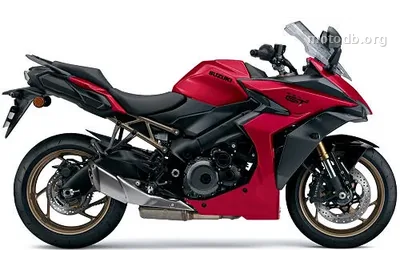
GSX-S1000GT
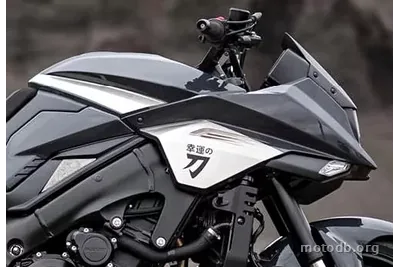
1000 Katana Royal Serie
Reviews & comments
No reviews yet. Be the first to share your opinion!