Key performance
Technical specifications
Engine
- Displacement
- 999 cc
- Power
- 160.0 ch @ 11000 tr/min (115.5 kW)
- Torque
- 112.0 Nm @ 9250 tr/min
- Engine type
- In-line four, four-stroke
- Cooling
- Oil & air
- Compression ratio
- 12.0:1
- Bore × stroke
- 80.0 x 49.7 mm (3.1 x 2.0 inches)
- Valves/cylinder
- 4
- Camshafts
- 2 ACT
- Fuel system
- Injection
- Valve timing
- Double Overhead Cams/Twin Cam (DOHC)
- Starter
- Electric
Chassis
- Frame
- Aluminium composite bridge frame, partially self-supporting engine
- Gearbox
- 6-speed
- Final drive
- Chain (final drive)
- Clutch
- Multiplate clutch in oil bath, anti-hopping clutch, mechanically controlled
- Front suspension
- Upside-down telescopic fork 46 mm, compression and rebound stage adjustable
- Rear suspension
- Aluminium 2-sided swing arm, rebound damping adjustable
- Front wheel travel
- 150 mm (5.9 inches)
- Rear wheel travel
- 140 mm (5.5 inches)
Brakes
- Front brakes
- Double disc. ABS. Floating discs. Four-piston calipers.
- Rear brakes
- Single disc. ABS. Floating disc.
- Front tyre
- 120/70-17
- Front tyre pressure
- 2.50 bar
- Rear tyre
- 190/55-17
- Rear tyre pressure
- 2.90 bar
Dimensions
- Seat height
- 840.00 mm
- Wheelbase
- 1548.00 mm
- Length
- 2183.00 mm
- Width
- 940.00 mm
- Height
- 1138.00 mm
- Fuel capacity
- 20.00 L
- Weight
- 228.00 kg
- Dry weight
- 178.00 kg
- New price
- 16 300 €
Overview
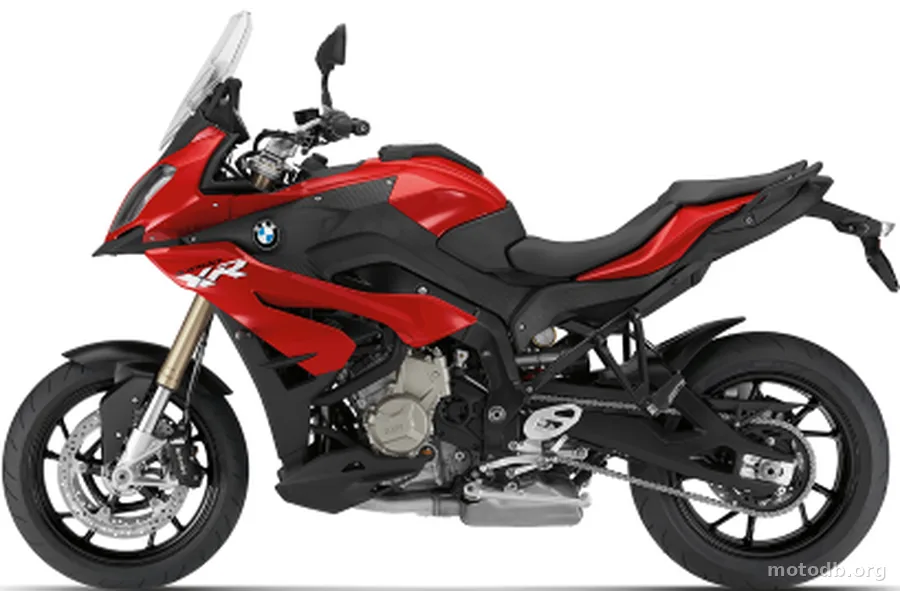
Imagine that someone locked a team of Bavarian engineers in a room with the specifications for an S 1000 RR and a catalog of long-distance adventure bikes, telling them to only emerge when they had found a coherent answer. What emerges from this workshop is the BMW S 1000 XR, launched in 2015 at 16,300 euros, and which has since become a benchmark that enthusiasts of used BMW S 1000 XR models still eagerly scrutinize on classified ads. Because this machine invented something.
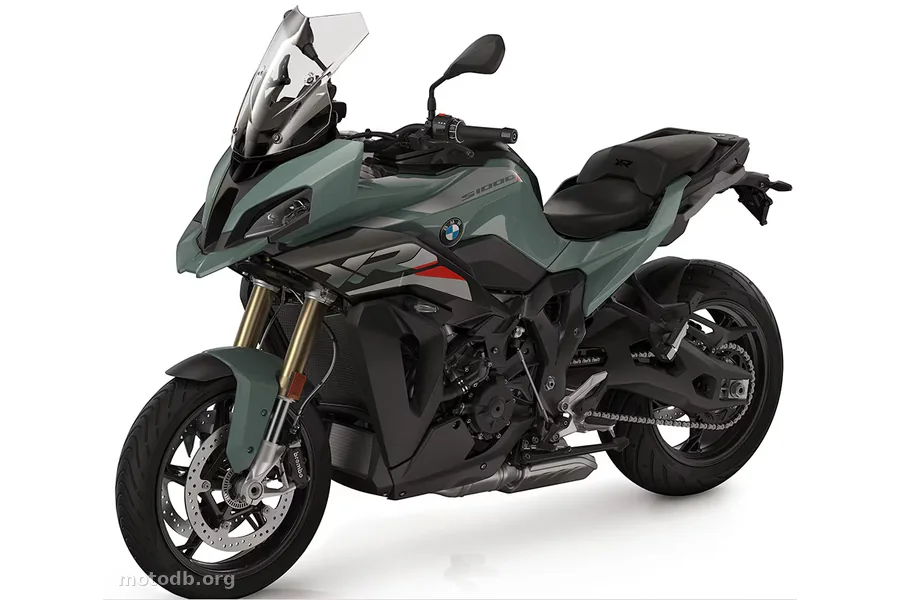
The engine is where everything begins and is justified. The 999 cc inline four-cylinder engine from the S 1000 RR has been extensively revised: the intake has been modified, camshafts have been recalculated, and the maximum rev limit has been reduced to better suit road use. The result is 160 horsepower at 11,000 rpm and 112 Nm of torque at 9,250 rpm, figures that place the XR on par with a Ducati Multistrada 1200 DVT or a KTM 1290 Super Adventure. However, the Bavarian engine retains a quality of response in the mid-range that its twin-cylinder competitors simply cannot match in terms of linearity. On the highway, the announced fuel consumption of 5.4 liters per 100 km, combined with a 20-liter tank, provides a comfortable theoretical range, which is important when aiming for sporty touring.
The structure surrounding this engine deserves attention. BMW built a four-element aluminum composite perimeter frame, with the engine acting as a partial stressed member. This wasn't the easy solution of reusing the chassis from the S 1000 R roadster; it's a unique architecture, designed to hold 228 kg when ready to ride on a seat at 840 mm from the ground without giving the impression of piloting a Norman wardrobe. The 46 mm upside-down fork, adjustable in compression and rebound, comes directly from the S family. The double-sided aluminum swingarm and wheelbase of 1548 mm orient the geometry towards stability rather than circuit nervousness. On national roads, this is a happy decision.
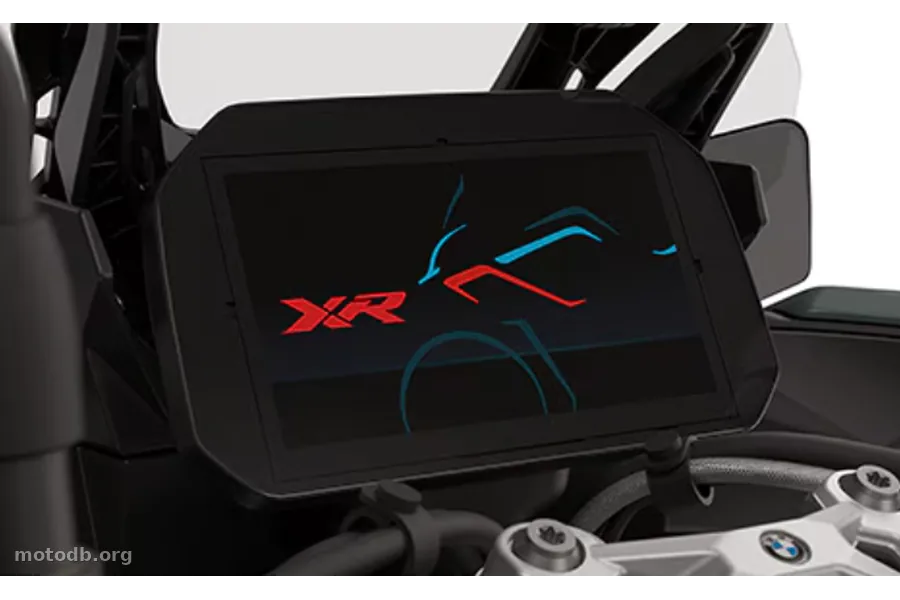
The onboard electronics on this first-generation BMW S 1000 XR test model were already of a level rarely seen at the time. As standard, traction control ASC and two riding modes Road and Rain are sufficient for the vast majority of situations. Rain mode reduces available power to 146 horsepower and softens the throttle response, which is not a luxury on wet pavement with 160 horsepower at your disposal. Optionally, Dynamic and Dynamic Pro modes provide access to traction control DTC with lean angle sensor, allowing for more committed attitudes in corners. The semi-active ESA suspension, also optional, literally transforms the behavior of the machine according to the load and type of road. The 120/70-17 front and 190/55-17 rear tires clearly announce the color: this isn't an enduro, this is a sportbike on stilts.
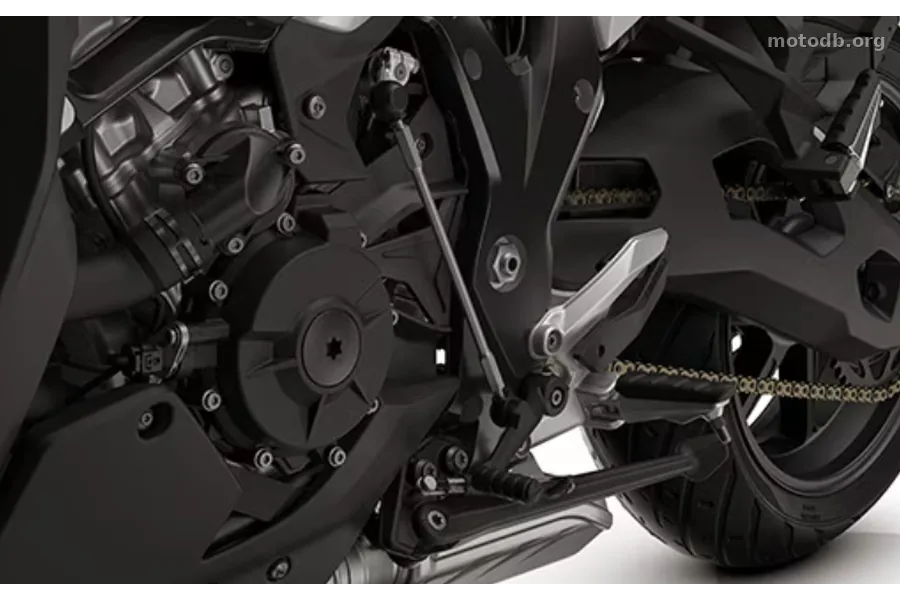
The braking system does not deviate from the house rule. Two floating 320 mm discs pinched by four-piston Brembo calipers at the front, single disc at the rear, all managed by an ABS capable of adapting its intervention threshold to the angle of the motorcycle. Effective, precise, without the brutality that some sportbikes inflict on the wrist during hard braking. For a traveler who covers 800 kilometers in a day, this is a detail that matters.
Ten years after its launch, the BMW S 1000 XR remains a difficult-to-classify and easy-to-love proposition. It is aimed at the experienced rider who refuses to choose between speed and distance, between dynamism and comfort. It is not a motorcycle for beginners; the weight and power demand a minimum of experience. But for those who have learned to read a road and are looking for a tool capable of doing everything without being perfect in everything, few machines rival this formula. Subsequent versions have refined the character, and discussions on the BMW S 1000 XR forum regularly attest to this. The foundation, however, was right from the start.
Standard equipment
- Assistance au freinage : ABS
Practical info
- La moto est accessible aux permis : A
Indicators & positioning
Similar bikes
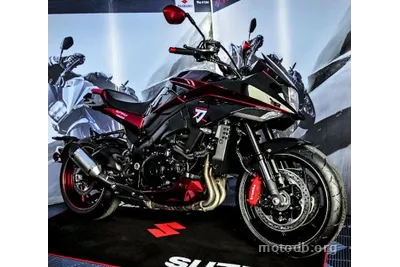
1000 Katana Motorlive Edition
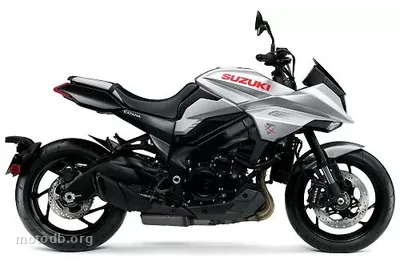
1000 Katana S
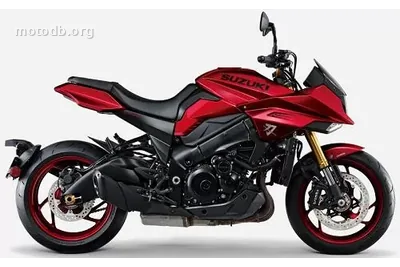
1000 Katana Candy Darling Red
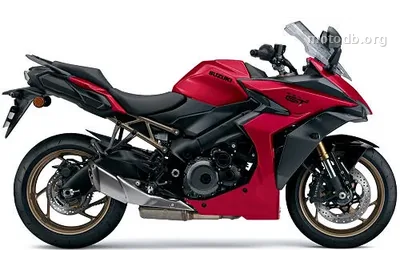
GSX-S1000GT
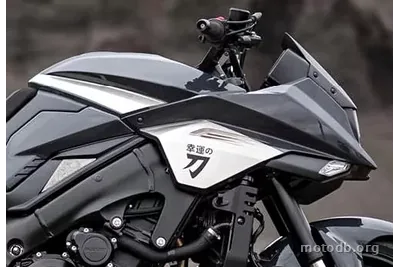
1000 Katana Royal Serie
Reviews & comments
No reviews yet. Be the first to share your opinion!