Key performance
Technical specifications
Engine
- Displacement
- 600 cc
- Power
- 124.0 ch @ 14500 tr/min (91.2 kW)
- Torque
- 65.7 Nm @ 11000 tr/min
- Engine type
- 4 cylindres en ligne, 4 temps
- Cooling
- liquide
- Compression ratio
- 13.1:1
- Bore × stroke
- 67 x 42,5 mm
- Valves/cylinder
- 4
- Camshafts
- 2 ACT
- Fuel system
- injection
Chassis
- Frame
- deltabox double poutre en alu
- Gearbox
- boîte à 6 rapports
- Final drive
- Chaîne
- Front suspension
- Fourche téléhydraulique inversée Ø 41 mm, déb : 115 mm
- Rear suspension
- Mono-amortisseur, déb : 120 mm
Brakes
- Front brakes
- Freinage 2 disques Ø 310 mm, fixation radiale, étrier 4 pistons
- Rear brakes
- Freinage 1 disque Ø 220 mm, étrier 2 pistons
- Front tyre
- 120/70-17
- Rear tyre
- 180/55-17
Dimensions
- Seat height
- 850.00 mm
- Fuel capacity
- 17.00 L
- Weight
- 189.00 kg
- Dry weight
- 170.00 kg
- New price
- 12 999 €
Overview
You wonder what keeps the crowds still drawn to a 600 sportbike announced in 2008 and simply refreshed in 2010? Yamaha, in a stroke of genius or stubbornness, maintained this YZF-R6 in the catalog until 2016 without revolution, and yet, it never really aged. Its recipe is simple: a pathological obsession with the circuit that shines through in every bolt. With 124 horsepower emerging at 14,500 rpm, it's not the most powerful on paper, especially if you remember the 135 horsepower of some previous versions. But that’s precisely where its perverse charm lies. Yamaha sacrificed a few ponies on the altar of breathability and torque, offering a more docile machine in the mid-range without betraying its fury.
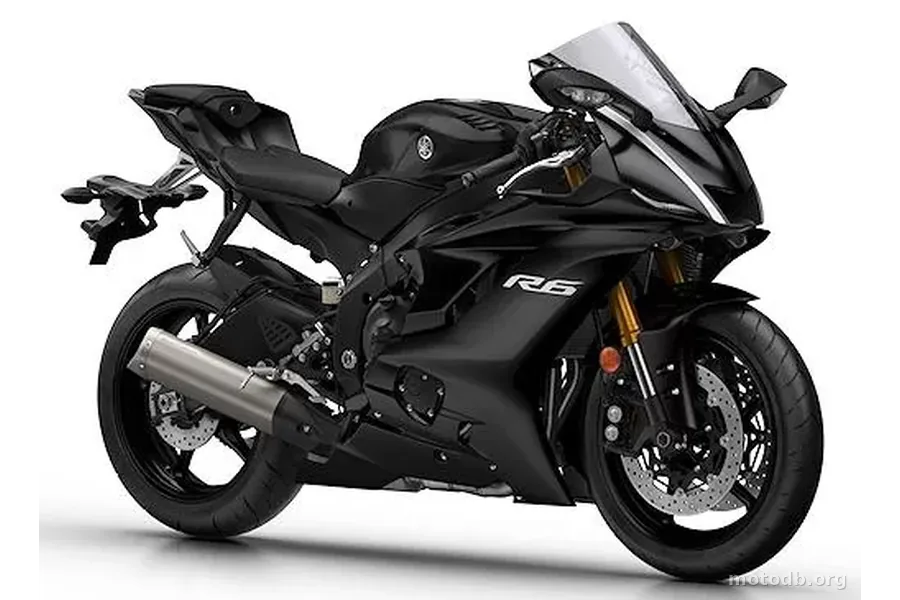
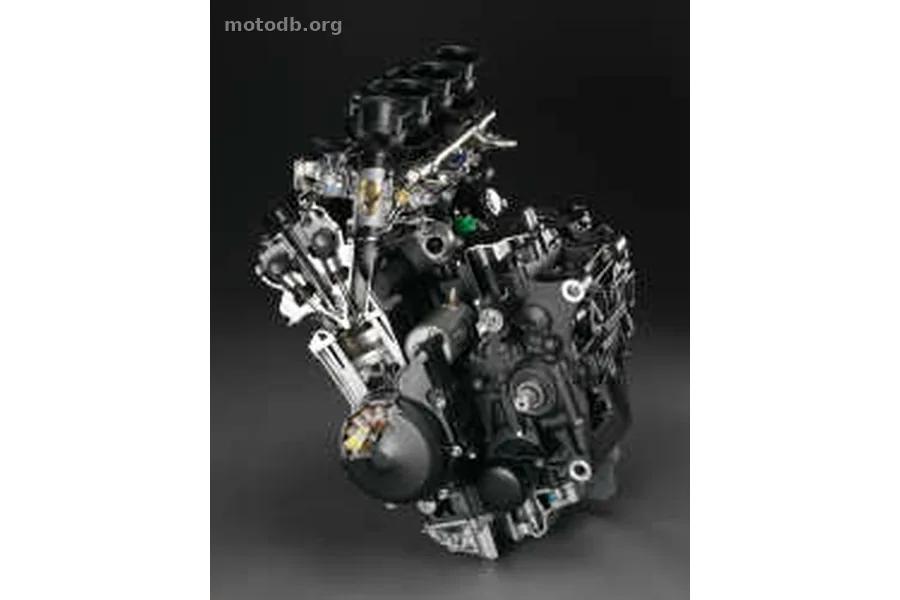
Under the still-cutting fairing, it’s a technological orgy that makes many modern bikes pale in comparison. The YCC-I variable intake, borrowed from the big sister R1, plays with the length of the runners like a conductor. At low rpm, it seeks torque; at high rpm, it releases all the breath for that characteristic howl. Coupled with the YCC-T ride-by-wire throttle, it makes this engine a precision instrument. The record 13.1:1 compression ratio, titanium valves, and EXUP exhaust complete the picture of engineering geared towards pure performance. This is far from a simple aesthetic evolution; every modification, like the extended muffler for homologation or the redesigned airbox, served to polish a diamond that was already well-cut.
The chassis, for its part, is a lesson in finesse. The Deltabox frame has been reworked in the shadows, with wall thicknesses modulated to the millimeter to gain directional rigidity while eliminating a crossmember. The 41 mm inverted fork and the single rear shock offer precise adjustments for those who like to feel the asphalt. The braking system, with its radial calipers biting on 310 mm discs, remains a benchmark in terms of bite and feedback. Yet, the scale doesn't lie: at 189 kg fully fueled, it has gained a few kilos over the years, a heavy trend in the sector that contrasts with the hunt for grams in the early days. A 2008 YZF-R6 600 already displayed a dry weight of approximately 166 kg, a figure that still interests used car buyers today.
So, who is this machine for? Certainly not for the novice or the touring rider seeking comfort. The 850 mm seat puts you in a combat position, the 17-liter fuel tank reminds you that breaks are frequent, and the engine truly comes alive beyond 10,000 rpm. It’s the ideal mount for the enlightened track rider, the one who understands that magic happens in total commitment. Faced with a competitor like the Honda CBR600RR, more versatile, or the Kawasaki ZX-6R, often more accessible, the R6 embraces its extreme character. Its new price at the time, around 13,000 euros, made it a significant investment, a sum justified by its track potential. Today, on the used car market, an R6 from 2008 or 2017 still finds buyers among enthusiasts seeking that raw sensation.
Time has passed, regulations have changed, and the inline 600 supersport has almost disappeared. Yet, this YZF-R6, from the 2008 generation to the end of production in 2016, remains a monument. It doesn't cheat, it doesn't flatter, it demands. But for those who know how to awaken it, it offers sensations of rare purity, a mechanical connection that is sometimes lacking in more assisted models. Perhaps that’s the secret to its longevity: in a world that is softening, it has kept its fangs.
Practical info
- La moto est accessible aux permis : A
Indicators & positioning
Similar bikes
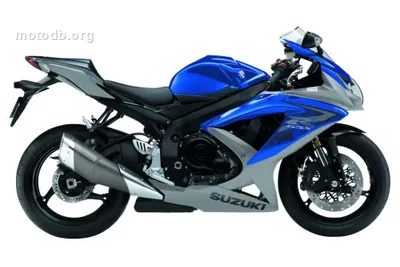
600 GSX-R 25eme anniversaire
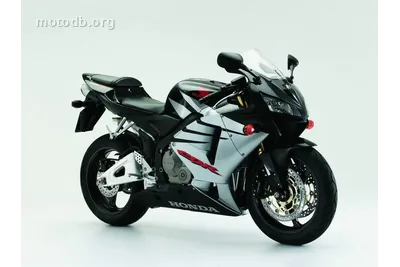
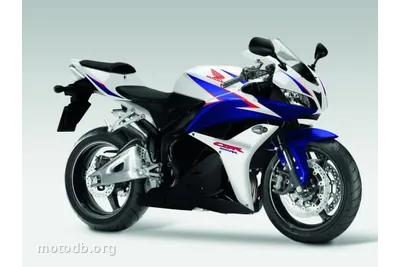
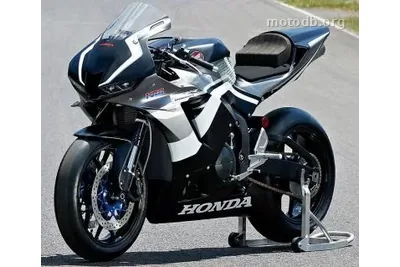
Reviews & comments
No reviews yet. Be the first to share your opinion!