Key performance
Technical specifications
Engine
- Displacement
- 599 cc
- Power
- 120.0 ch @ 13500 tr/min (88.3 kW)
- Torque
- 64.7 Nm @ 11250 tr/min
- Engine type
- 4 cylindres en ligne, 4 temps
- Cooling
- liquide
- Compression ratio
- 12:1
- Bore × stroke
- 67 x 42,5 mm
- Valves/cylinder
- 4
- Camshafts
- 2 ACT
- Fuel system
- injection
Chassis
- Frame
- Double poutre en aluminium moulé, type Diamant
- Gearbox
- boîte à 6 rapports
- Final drive
- Chaîne
- Front suspension
- Fourche inversée à cartouches HMAS ø 41 mm, déb : 120 mm
- Rear suspension
- Monoamortisseur Unit Pro-Link à réservoir séparé, déb : 130 mm
Brakes
- Front brakes
- Freinage 2 disques Ø 310 mm, fixation radiale, étrier 4 pistons
- Rear brakes
- Freinage 1 disque Ø 220 mm, étrier simple piston
- Front tyre
- 120/70-17
- Front tyre pressure
- 2.50 bar
- Rear tyre
- 180/55-17
- Rear tyre pressure
- 2.90 bar
Dimensions
- Seat height
- 820.00 mm
- Fuel capacity
- 18.00 L
- Weight
- 194.00 kg
- Dry weight
- 165.00 kg
- New price
- 11 490 €
Overview
Who would have bet, back in 2008, that an ABS system would dare show its sensors on a supersport? Honda took the plunge with its CBR 600 RR, and this 2011 E-ABS version is its direct heir. A pure-bred sportbike, 599 cc, inline four-cylinder, 120 horsepower at 13,500 rpm, all wrapped in a cast aluminum diamond frame that has proven itself over several generations. On paper, the recipe is well known. In practice, it's the braking that changes the game.
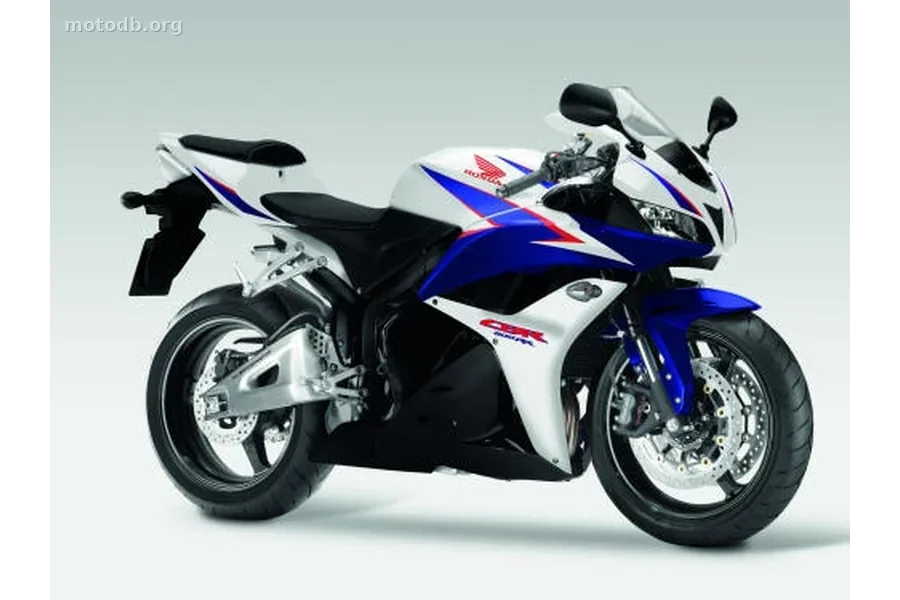
The heart of the matter is the electronically controlled combined system that Honda calls Combined ABS. A brake-by-wire setup that measures the pressure applied to the lever or pedal, then commands servo-motors to actuate the calipers with surgical precision. On a sportbike where hard braking is the norm, the challenge is significant. The system must intervene as late as possible, as close to the grip limit as it can, and release pressure smoothly enough not to unsettle the machine mid-lean. Honda also refined the integration by splitting the components into compact sub-assemblies, so as not to wreck the mass centralization. The front calipers, radially mounted monoblocs, bite two 310 mm discs. At the rear, a single 220 mm disc completes the package. For an intermediate-level rider, the confidence gain is real, especially on open roads where conditions change with every corner. A seasoned track rider, on the other hand, will likely prefer to do without.
And that's where the shoe pinches. The CBR 600 RR without ABS boasted a record weight of 184 kg wet. With the electronic system, the scales climb to 194 kg — ten extra kilos that dangerously approach the 200 kg mark. In a class where every gram counts, where the Yamaha R6 and the Triumph Daytona 675 are jostling for position, this added weight is far from trivial. The inline four delivers its peak torque of 64.7 Nm at 11,250 rpm, with work on the pistons, cylinder head, and exhaust that yielded a 3.5% torque gain around 10,000 rpm. A welcome little bonus on corner exits, but not enough to shake up the pecking order against sharper rivals.
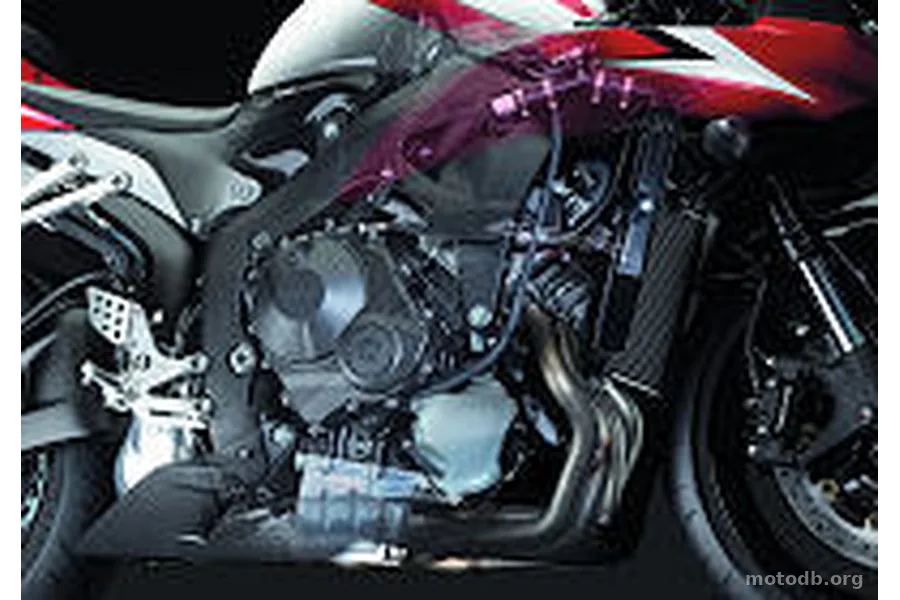
The rest of the equipment meets the expected standard for a fourth-generation sportbike. 41 mm HMAS inverted fork, Unit Pro-Link monoshock with remote reservoir, HESD electronic steering damper, dual injectors, reinforced swingarm. The seat, perched at 820 mm, and the 18-liter tank are reminders that this machine was not designed for Sunday pleasure rides. The price of 11,490 euros positions it at the top end for a 600, especially when ABS accounts for most of the premium over the standard model.
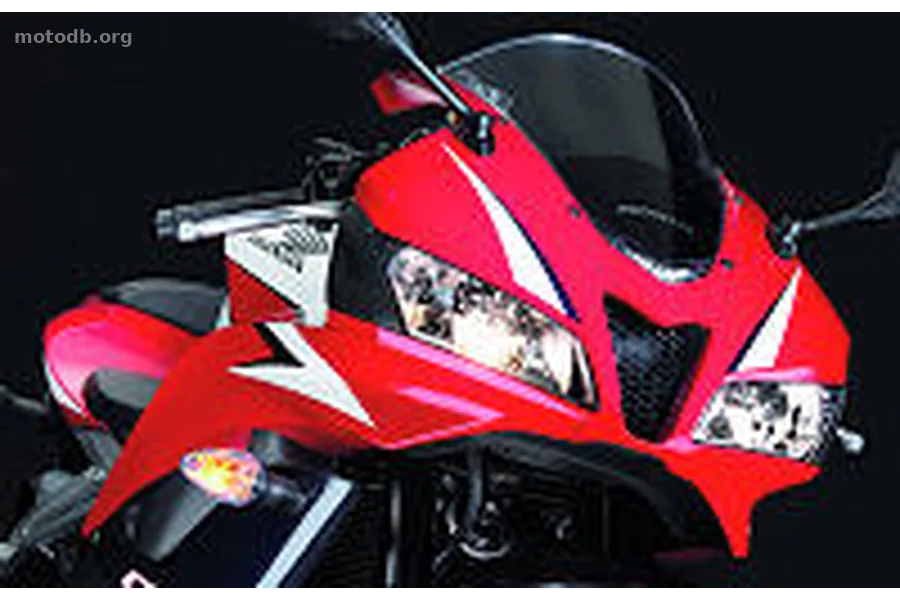
The Honda CBR 600 RR E-ABS has clearly picked its side. Rather than chasing the crown on track, it banks on safety and confidence in real-world conditions. For the rider who pushes hard on the road, who wants a sharp sportbike without giving up a braking safety net, it delivers on its promise. For the one chasing lap times, the extra weight and electronic intervention are likely to frustrate more than anything else. An endearing, competent machine, but one that has come to terms with no longer trying to be the queen of tight corners on circuit tarmac.
Standard equipment
- Assistance au freinage : ABS conbiné
Practical info
- La moto est accessible aux permis : A
Indicators & positioning
Similar bikes
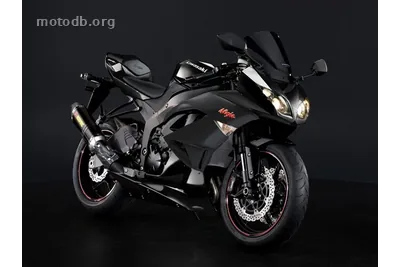
ZX-6RR 600 25eme anniversaire
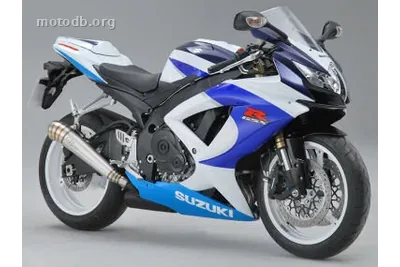
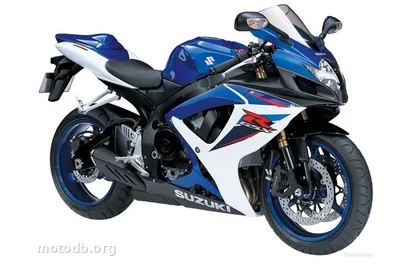
600 GSX-R MotoGP Replica
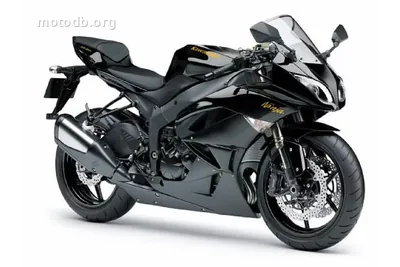
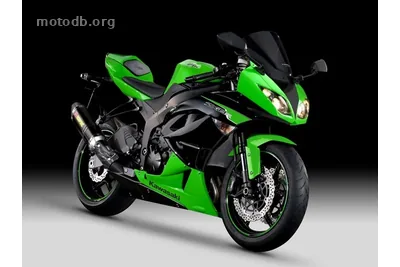
ZX-6R 600 Série spéciale
Reviews & comments
No reviews yet. Be the first to share your opinion!