Key performance
Technical specifications
Engine
- Displacement
- 599 cc
- Power
- 117.0 ch @ 13000 tr/min (86.1 kW)
- Torque
- 68.5 Nm @ 12000 tr/min
- Engine type
- 4 cylindres en ligne, 4 temps
- Cooling
- liquide
- Compression ratio
- 12.4:1
- Bore × stroke
- 65,5 x 44,5 mm
- Valves/cylinder
- 4
- Camshafts
- 2 ACT
- Fuel system
- Injection Ø 38 mm
Chassis
- Frame
- deltabox en alu double longerons
- Gearbox
- boîte à 6 rapports
- Final drive
- Chaîne
- Front suspension
- Fourche téléhydraulique Ø 43 mm, déb : 130 mm
- Rear suspension
- Mono-amortisseur, déb : 120 mm
Brakes
- Front brakes
- Freinage 2 disques Ø 298 mm, étrier 4 pistons
- Rear brakes
- Freinage 1 disque Ø 220 mm, étrier 2 pistons
- Front tyre
- 120/60-17
- Rear tyre
- 180/55-17
Dimensions
- Seat height
- 820.00 mm
- Fuel capacity
- 17.00 L
- Weight
- 190.00 kg
- Dry weight
- 162.00 kg
- New price
- 10 200 €
Overview
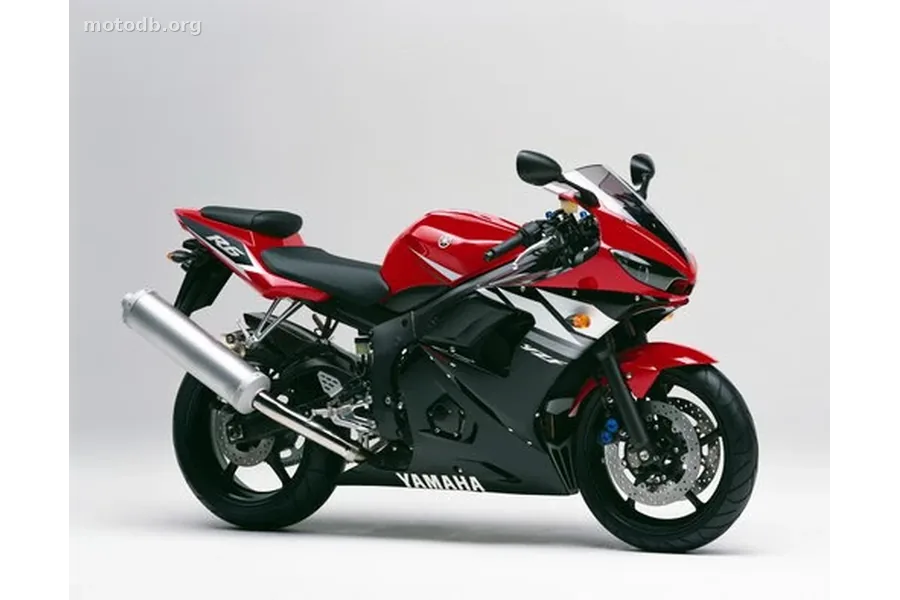
It’s impossible to discuss 600 sportbikes without mentioning the legend. In 2004, Yamaha introduced an R6 that, far from being a simple evolution, redefined the category’s codes. It’s a machine that has definitively turned its back on all forms of compromise. Its goal? To conquer lap times, period. With its 117 horsepower released at 13,000 rpm, the inline four-cylinder is a ticking time bomb. You need to be patient, because below 10,000 rpm, you almost wonder where the power has gone. But once the tachometer is in the red, the delivery is brutal, electrifying. This sensation of violent boost is precisely what purists seek, a character that later versions, such as the Yamaha YZF-R6 600 of 2017 or even the 2020, will sometimes soften in favor of better usability.
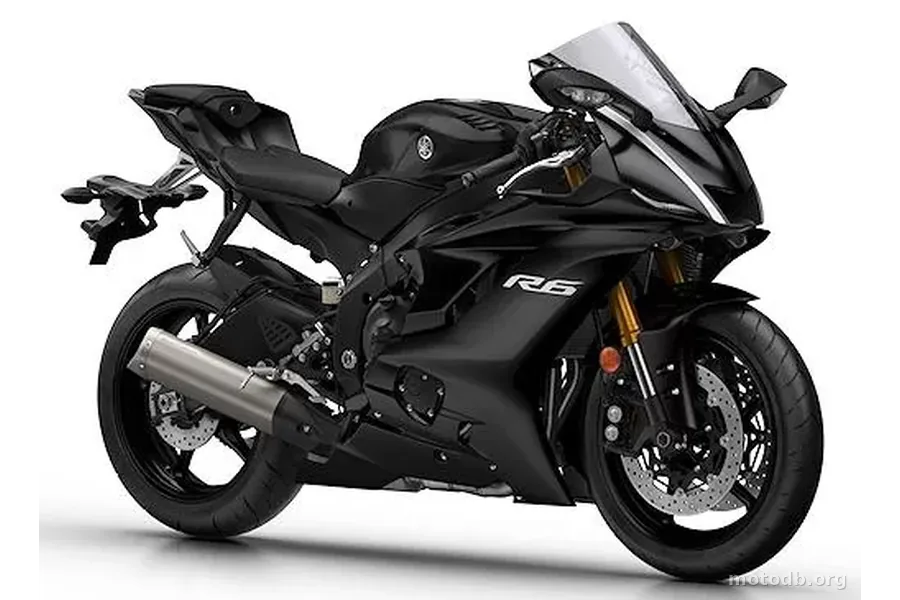
The technical specifications speak for themselves: a Deltabox aluminum frame with surgical rigidity, a 43 mm fork, and front braking with four-piston monoblock calipers. All this for a dry weight of 162 kg, a lightness that remains a reference, even when compared to the weight of a Yamaha YZF-R6 600 of 2008. On the track, it’s a revelation. The bike throws itself into corners with an almost intuitive agility, as if anticipating the trajectory. The riding position is radical, the seat at 82 cm in height presses you onto the tank, transforming the rider into an extension of the chassis. It’s uncomfortable, demanding, and absolutely brilliant when the road twists. Opinions about the Yamaha YZF-R6 600 of 2003 already praised its pure character; the 2004 pushes this concept to its paroxysm.
However, this fiery temperament comes at a price. In the city or on a winding road at low rpm, it can be capricious, requiring constant gear management. The 17-liter fuel tank imposes frequent stops, and the price of 10,200 euros at the time made it a significant investment for such a specialized machine. Faced with a competitor like the Suzuki GSX-R 600, more versatile and easy to live with, the R6 fully assumes its role as a dedicated track bike. It’s not made for Sunday rides, but for those seeking the raw sensation of a homologated race machine.
Today, questions like how many horsepower the Yamaha YZF-R6 600 of 2001 or 2007 has, testify to the lasting interest in this generation. The 2004, with its 117 hp, marks a peak in this quest for extreme performance. It embodies an era when 600 superbikes were barely tamed beasts, long before omnipresent electronic aids. For an experienced rider seeking a riding school of precision and raw feel, this R6 remains a grail. For others, it will harshly recall that mechanical genius sometimes requires sacrifices.
Practical info
- La moto est accessible aux permis : A
Indicators & positioning
Similar bikes
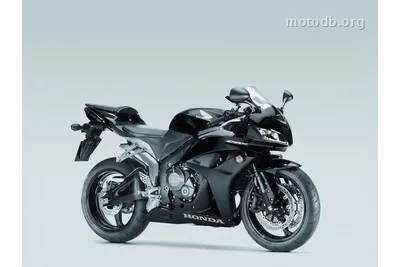
CBR 600 RR édition HANNspree Ten Kate
CBR 600 RR Replica MOVISTAR
Reviews & comments
No reviews yet. Be the first to share your opinion!