Key performance
Technical specifications
Engine
- Displacement
- 599 cc
- Power
- 118.0 ch @ 14500 tr/min (86.8 kW)
- Torque
- 61.8 Nm @ 10500 tr/min
- Engine type
- 4 cylindres en ligne, 4 temps
- Cooling
- liquide
- Compression ratio
- 13.1 : 1
- Bore × stroke
- 67 x 42,5 mm
- Valves/cylinder
- 4
- Camshafts
- 2 ACT
- Fuel system
- injection
Chassis
- Frame
- deltabox double poutre en alu
- Gearbox
- boîte à 6 rapports
- Final drive
- Chaîne
- Front suspension
- Fourche téléhydraulique inversée Ø 43 mm, déb : 120 mm
- Rear suspension
- Mono-amortisseur, déb : 120 mm
Brakes
- Front brakes
- Freinage 2 disques Ø 320 mm, fixation radiale, étrier 4 pistons
- Rear brakes
- Freinage 1 disque Ø 220 mm, étrier 2 pistons
- Front tyre
- 120/70-17
- Rear tyre
- 180/55-17
Dimensions
- Seat height
- 850.00 mm
- Fuel capacity
- 17.00 L
- Weight
- 190.00 kg
- New price
- 13 999 €
Overview
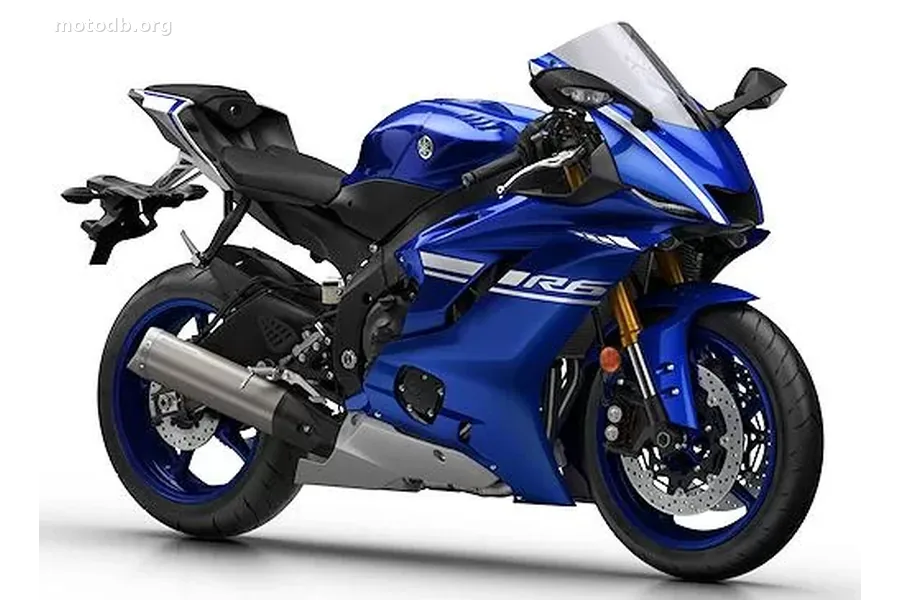
Do you remember that feeling, the last time you twisted the throttle on a real 600 sportbike? The one where the speedometer spins like a turbine and the world shrinks to a straight line and an approaching turn. The Yamaha YZF-R6 2018 is precisely that feeling, crystallized in an aluminum frame and priced at €13,999. It’s not a revolutionary newcomer; it’s a statement. While Honda, Suzuki, and Kawasaki seem to be retreating from the supersport segment, Yamaha plants its flag with an evolution that speaks to riders, not marketers.
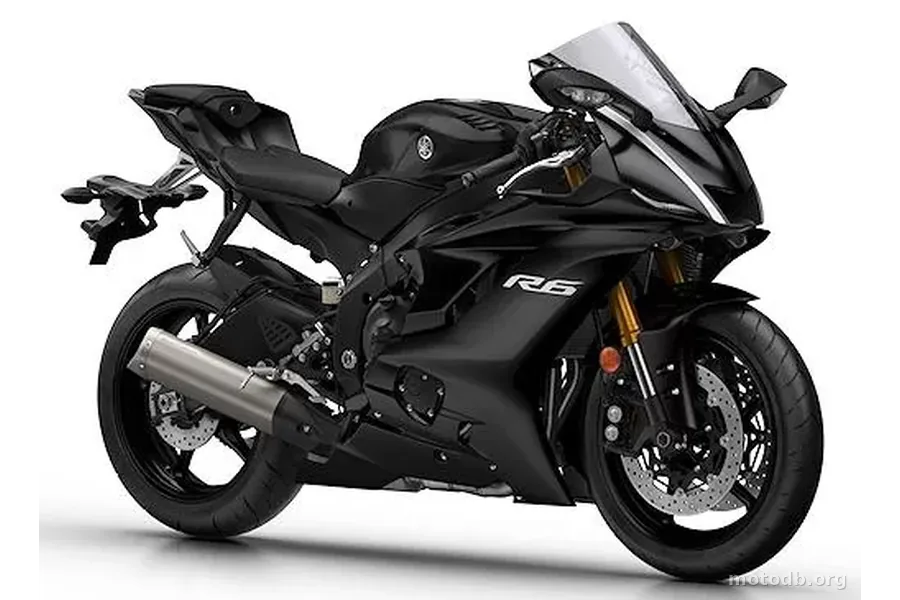
Look at it. It doesn't cut corners. Its design is a direct transfer from the R1, and therefore, by extension, from the MotoGP M1. The central air intake, the streamlined headlights, the aggressive rear section: everything is there to say "performance." But it's not just cosmetic. This bodywork improves aerodynamics by 8% according to Yamaha, and the work on ergonomics is tangible. The aluminum fuel tank is narrower and sheds 1.2 kg, while the magnesium rear fairing allows for a slimmer seat. On the track, these modifications translate to more responsive movements and a more direct connection with the machine. You can feel that the objective was purely functional.
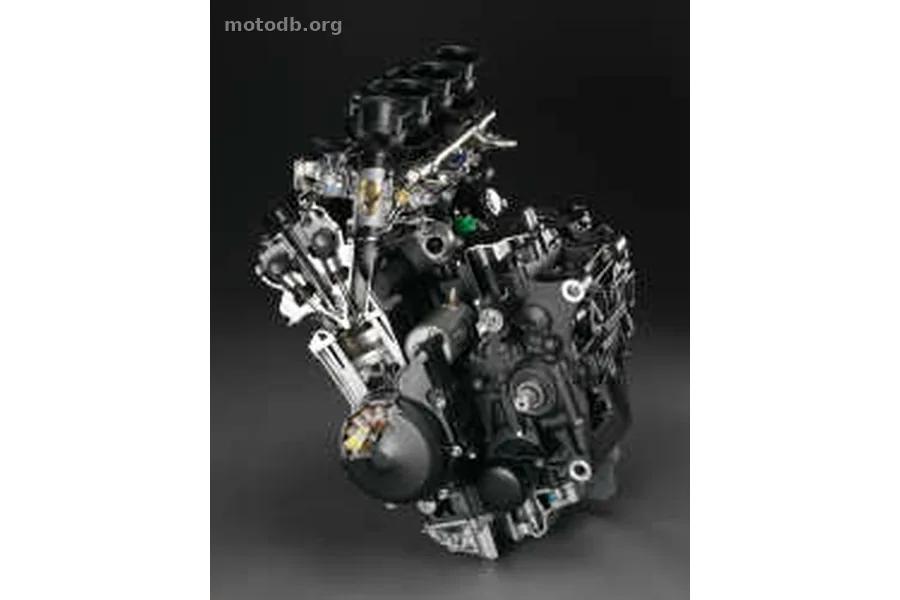
The real revolution for this R6, however, isn't found in its engine. The 599 cm3 block remains true to itself, an inline four that screams to 14,500 rpm to deliver 118 horsepower. That’s a power output that has slightly decreased to meet Euro 4 standards, but the spirit is intact. Compare it to the Yamaha YZF-R6 600 from 2017, and you’ll find a similar philosophy, a loyalty to high revs. The major difference is in the motorcycle’s responsiveness. Yamaha has finally equipped the R6 with an electronic suite worthy of its status. Traction control with six levels of intervention, a QSS quickshifter for clutchless gear changes, and three injection maps (D-Mode) are now standard equipment. For a track rider, these tools are weapons. For a less experienced road rider, they are a welcome safety net.
The chassis and suspension have also benefited from technology transfer. The 43 mm inverted fork is directly from the R1, offering all adjustments at the top of the tubes. The braking system, already excellent on the previous generation, steps up with radial four-piston calipers and 320 mm discs, all coupled with ABS. The whole package provides absolute confidence when entering corners. With a wet weight of 190 kg, it’s not the lightest, but its chassis/weight/power ratio remains its absolute strong point. That’s what has always made the R6 famous, a reputation verified by the numerous reviews of the Yamaha YZF-R6 600 from 2003, which already praised its agility.
So, who should buy this motorcycle? The ambitious beginner with a serious budget and a desire to learn on a precise machine? The experienced track rider looking for the most effective tool for track days? Or the collector who sees in it the last representative of a declining category? At €13,999, it’s not an accessory. It’s a commitment. It demands a certain level of technical skill, an acceptance of its sporty position (850 mm seat height) and its small 17-liter fuel tank. But in return, it offers an almost analog riding experience, purified by electronics that assist without interfering. It’s not the most versatile motorcycle, but within its area of expertise – pure speed, cornering precision – it remains a benchmark. A benchmark that, paradoxically, seems more vital and necessary today, facing the disappearance of its rivals, than it did at its peak.
Standard equipment
- Assistance au freinage : ABS
Practical info
- La moto est accessible aux permis : A
Indicators & positioning
Similar bikes
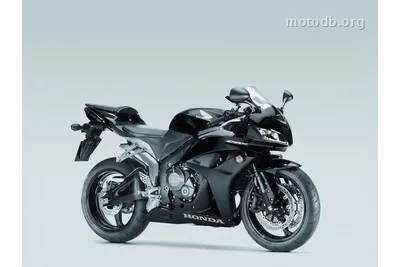
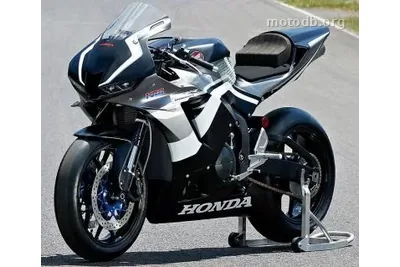
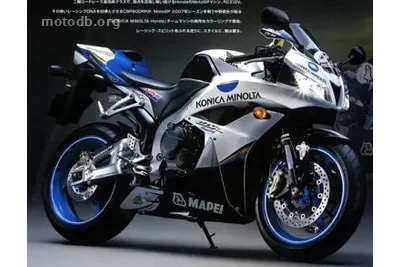
CBR 600 RR édition HANNspree Ten Kate
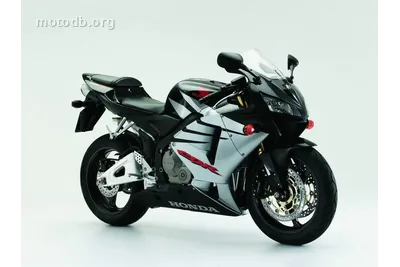
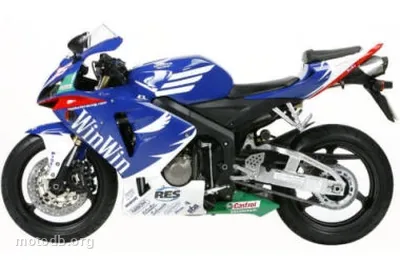
CBR 600 RR Replica MOVISTAR
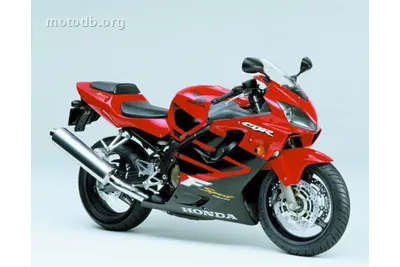
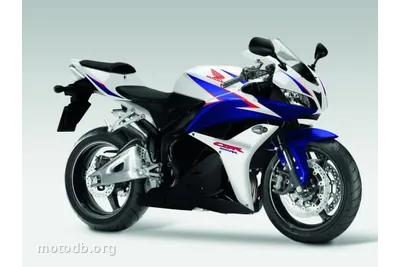
Reviews & comments
No reviews yet. Be the first to share your opinion!