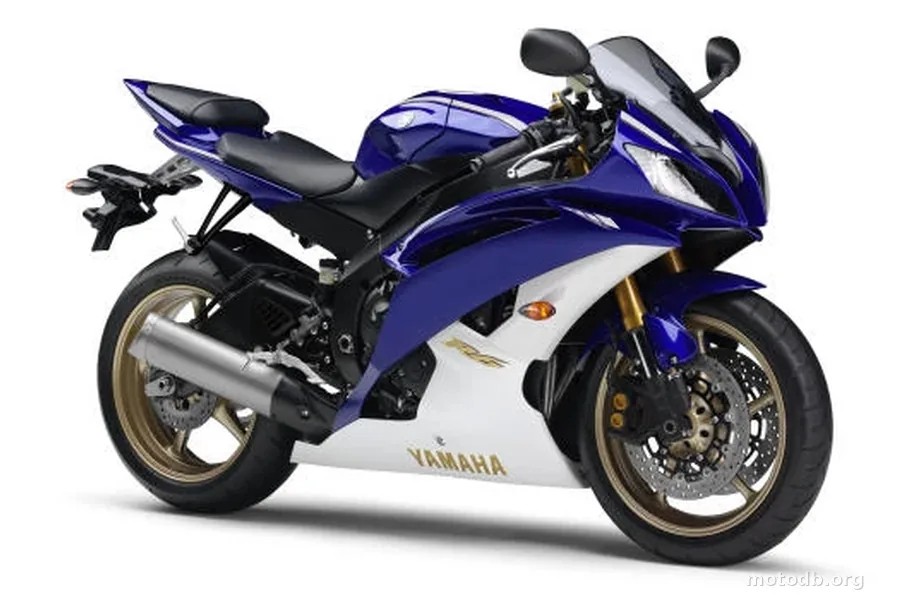
Key performance
Technical specifications
Engine
- Displacement
- 600 cc
- Power
- 124.0 ch @ 14500 tr/min (91.2 kW)
- Torque
- 62.8 Nm @ 11500 tr/min
- Engine type
- 4 cylindres en ligne, 4 temps
- Cooling
- liquide
- Compression ratio
- 13.1:1
- Bore × stroke
- 67 x 42,5 mm
- Valves/cylinder
- 4
- Camshafts
- 2 ACT
- Fuel system
- injection
Chassis
- Frame
- deltabox double poutre en alu
- Gearbox
- boîte à 6 rapports
- Final drive
- Chaîne
- Front suspension
- Fourche téléhydraulique inversée Ø 41 mm, déb : 115 mm
- Rear suspension
- Mono-amortisseur, déb : 120 mm
Brakes
- Front brakes
- Freinage 2 disques Ø 310 mm, fixation radiale, étrier 4 pistons
- Rear brakes
- Freinage 1 disque Ø 220 mm, étrier 2 pistons
- Front tyre
- 120/70-17
- Rear tyre
- 180/55-17
Dimensions
- Seat height
- 850.00 mm
- Fuel capacity
- 17.00 L
- Weight
- 189.00 kg
- Dry weight
- 170.00 kg
- New price
- 11 499 €
Overview
We often consider the 2008 generation as the definitive one, the one that propelled the Yamaha YZF-R6 to its peak with its official 135 horsepower. But then, would the 2010 version, with its declared 124 horsepower, be a downgraded machine? It would be a mistake to judge it on that single figure. Because beneath this apparent moderation, Yamaha orchestrated a profound, almost invisible overhaul, intended to civilize a track animal without clipping its claws.
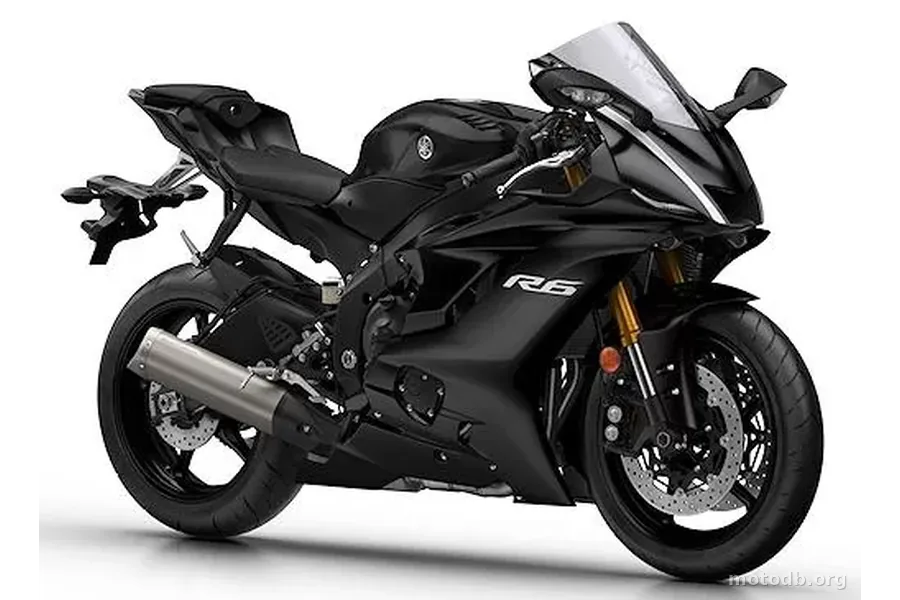
The essential modifications are nestled within the engine, a four-cylinder that remains a benchmark in the category. The compression ratio climbs to 13.1:1, a record for Yamaha at the time, thanks to redesigned pistons. The YCC-I variable intake system, borrowed from the R1, makes its appearance and works with the YCC-T throttle already present. This duo of electronics aims for a simple objective: to fill the infamous mid-range dip of the supersport 600s. The result is tangible. Torque gains approximately 10%, and the bike becomes less wild, more usable off the track. A few horsepower are sacrificed at the top, but versatility is gained. It’s an assumed choice. Compared to a Honda CBR600RR or a Kawasaki ZX-6R of the same period, the 2010 R6 offers a less explosive sensation beyond 12,000 rpm, but a more direct response from 8,000. For a pure track rider, this might be a step backward. For a road rider who also wants to have fun on the road or a trackday enthusiast, it’s a clear improvement.
The chassis, already excellent, benefits from micro-optimizations. The Deltabox frame sees its wall thicknesses modified for better distributed rigidity, and a magnesium rear frame saves a few grams. The 41 mm inverted fork and the mono-shock are reliable values. The braking system, with its two 310 mm discs and radial calipers, remains an undeniable strong point. Despite these efforts, the scale is inflexible: the bike weighs 189 kg fully fueled, 4 kg more than the previous one. This trend towards increased weight was general at the time, but it remains a point of friction for advocates of lightweight motorcycles.
Ultimately, this 2010 R6 is an intelligently balanced machine. It loses in pure frenzy to gain in maneuverability and daily enjoyment. Its price, around 11,500 euros at the time, placed it in the high-end of the 600s. It no longer seeks to be the most powerful, but to be the most accomplished and the most rideable. It’s a supersport that has matured, that knows that we don’t always live at 14,500 rpm. It is aimed at the rider who wants a formidable trackday machine but also capable of long journeys without torturing them. Opinions on the 2003 Yamaha YZF-R6 praised its radical character; here, engineers injected a dose of wisdom into a vehicle that is still extreme. A necessary, sometimes controversial, evolution, but one that secured its place in the legend of 600 sportbikes.
Practical info
- La moto est accessible aux permis : A
Indicators & positioning
Similar bikes
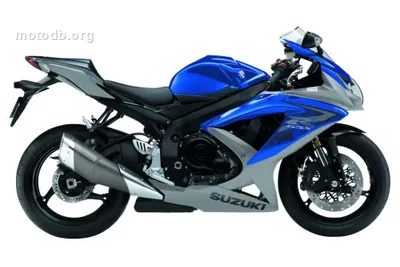
600 GSX-R 25eme anniversaire
Reviews & comments
No reviews yet. Be the first to share your opinion!