Key performance
Technical specifications
Engine
- Displacement
- 599 cc
- Power
- 120.0 ch @ 13000 tr/min (88.3 kW)
- Torque
- 67.7 Nm @ 11500 tr/min
- Engine type
- 4 cylindres en ligne, 4 temps
- Cooling
- liquide
- Compression ratio
- 12.4:1
- Bore × stroke
- 65,5 x 44,5 mm
- Valves/cylinder
- 4
- Camshafts
- 2 ACT
Chassis
- Frame
- deltabox en alu double longerons
- Gearbox
- boîte à 6 rapports
- Final drive
- Chaîne
- Front suspension
- Fourche téléhydraulique Ø 43 mm, déb : 130 mm
- Rear suspension
- Mono-amortisseur, déb : 120 mm
Brakes
- Front brakes
- Freinage 2 disques Ø 295 mm, étrier 4 pistons
- Rear brakes
- Freinage 1 disque Ø 220 mm, étrier 2 pistons
- Front tyre
- 120/60-17
- Rear tyre
- 180/55-17
Dimensions
- Seat height
- 820.00 mm
- Fuel capacity
- 17.00 L
- Weight
- 195.00 kg
- Dry weight
- 169.00 kg
- New price
- 9 600 €
Overview
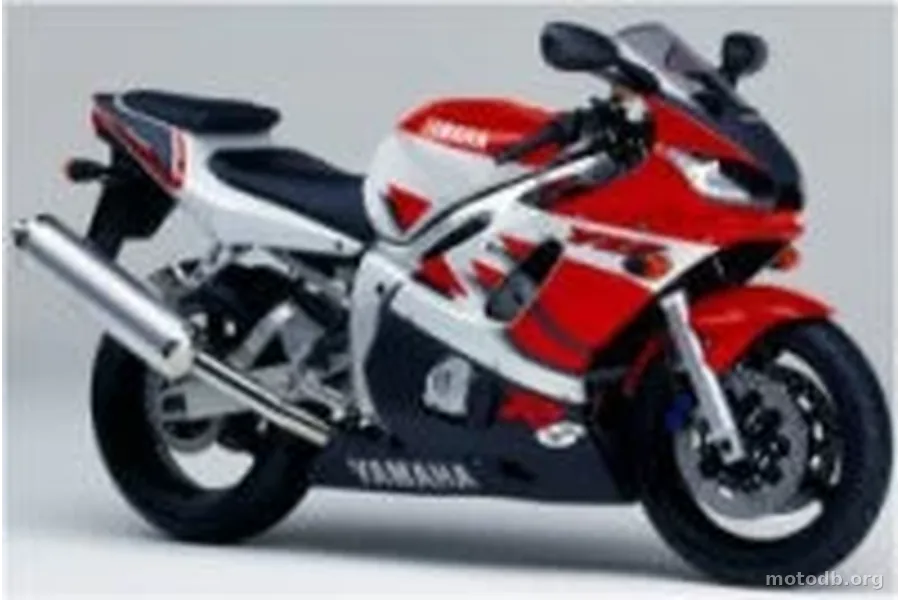
Who said that 600 supersport bikes had to be refined and a little soft? In 2000, Yamaha shattered that idea with the YZF-R6. This first generation wasn’t an evolution, it was a revolution. It featured a Deltabox aluminum frame, a 43 mm fork, and an engine that clearly stated its intentions: 120 horsepower at 13,000 rpm, for a dry weight of only 169 kg. The calculation was simple, and the result brutal. It made the competitors, even the most reputable, seem like disguised tourers.
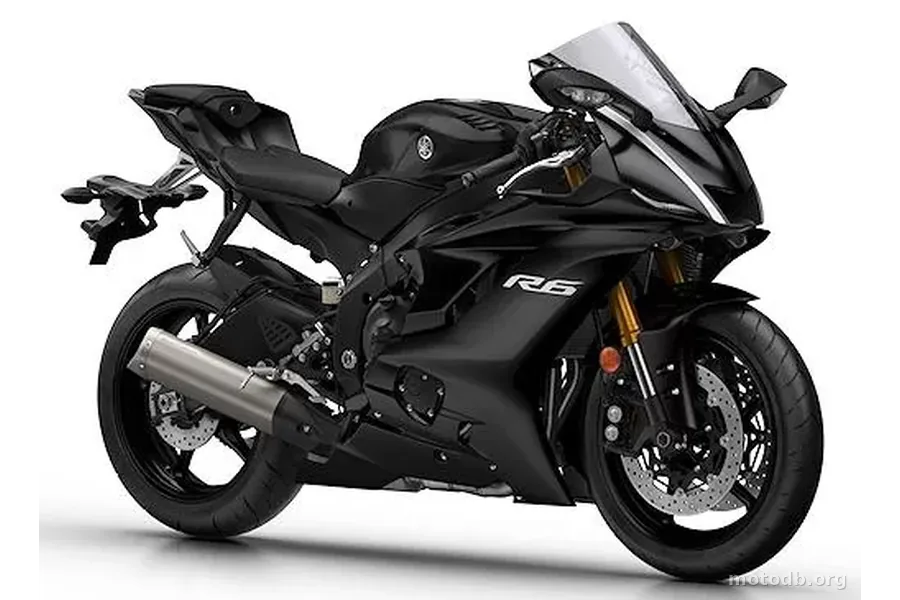
On paper, you almost read the technical specifications of a race bike, and on the road, it’s the same sensation. This four-cylinder engine is a lesson in pure mechanics. It’s dramatically hollow at low RPM, requiring it to be kept above 8,000 rpm for it to start to come alive. But when it awakens, it’s a deluge. The 67.7 Nm of torque at 11,500 rpm are not a number, they are a physical experience. The power of the Yamaha YZF-R6 600 from this year wasn’t a statistic, it was a warning.
This philosophy is reflected in every component. The braking, with its two 295 mm front discs, is of an effectiveness that can surprise, even intimidate. The front end, with extreme agility, transforms every turn into an opportunity to trace an ideal line. But it’s a no-compromise machine. On the highway, the 17-liter fuel tank seems small, and the riding position reminds you that you’re on a tool, not a sofa. The 195 kg when fully fueled was an achievement for the time, but this lightness is paid for by sensitivity to road imperfections.
This is where its true audience is revealed. The 2000 R6 is not for beginners, nor for the touring rider seeking tranquility. It is a track bike by essence, one that demands total involvement from the rider, a flowing style, and anticipation. Once its suspension is properly adjusted, it becomes a precise and formidable partner. Its price of 9600 euros at the time made it a serious investment, reserved for enthusiasts willing to accept its demands to obtain its performance.
When compared with subsequent models, one understands its legendary status. Questions about the weight of a Yamaha YZF-R6 600 from 2008 or the horsepower of the 2017 and 2020 versions show that this technical foundation has been the reference for two decades. Reviews of the Yamaha YZF-R6 600 from 2003, often very positive, confirm that this generation established a dynasty. It wasn’t just a motorcycle, it was a manifesto. A declaration that pure, intense, and sometimes uncomfortable pleasure was still possible. For those who accept the dialogue, it remains one of the most enjoyable machines ever produced.
Practical info
- La moto est accessible aux permis : A
Indicators & positioning
Similar bikes
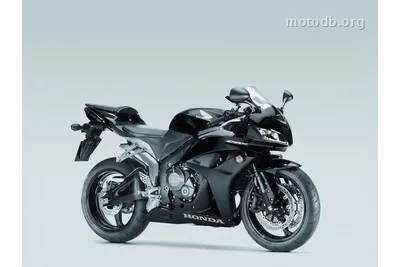
CBR 600 RR édition HANNspree Ten Kate
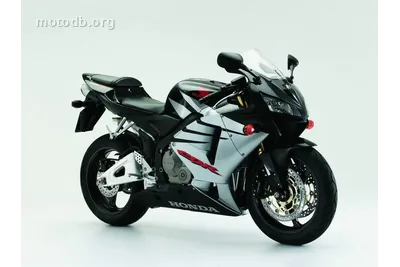
CBR 600 RR Replica MOVISTAR
Reviews & comments
No reviews yet. Be the first to share your opinion!