Key performance
Technical specifications
Engine
- Displacement
- 600 cc
- Power
- 124.0 ch @ 14500 tr/min (91.2 kW)
- Torque
- 65.7 Nm @ 11000 tr/min
- Engine type
- 4 cylindres en ligne, 4 temps
- Cooling
- liquide
- Compression ratio
- 13.1:1
- Bore × stroke
- 67 x 42,5 mm
- Valves/cylinder
- 4
- Camshafts
- 2 ACT
- Fuel system
- injection
Chassis
- Frame
- deltabox double poutre en alu
- Gearbox
- boîte à 6 rapports
- Final drive
- Chaîne
- Front suspension
- Fourche téléhydraulique inversée Ø 41 mm, déb : 115 mm
- Rear suspension
- Mono-amortisseur, déb : 120 mm
Brakes
- Front brakes
- Freinage 2 disques Ø 310 mm, fixation radiale, étrier 4 pistons
- Rear brakes
- Freinage 1 disque Ø 220 mm, étrier 2 pistons
- Front tyre
- 120/70-17
- Rear tyre
- 180/55-17
Dimensions
- Seat height
- 850.00 mm
- Fuel capacity
- 17.00 L
- Weight
- 189.00 kg
- Dry weight
- 170.00 kg
- New price
- 12 799 €
Overview
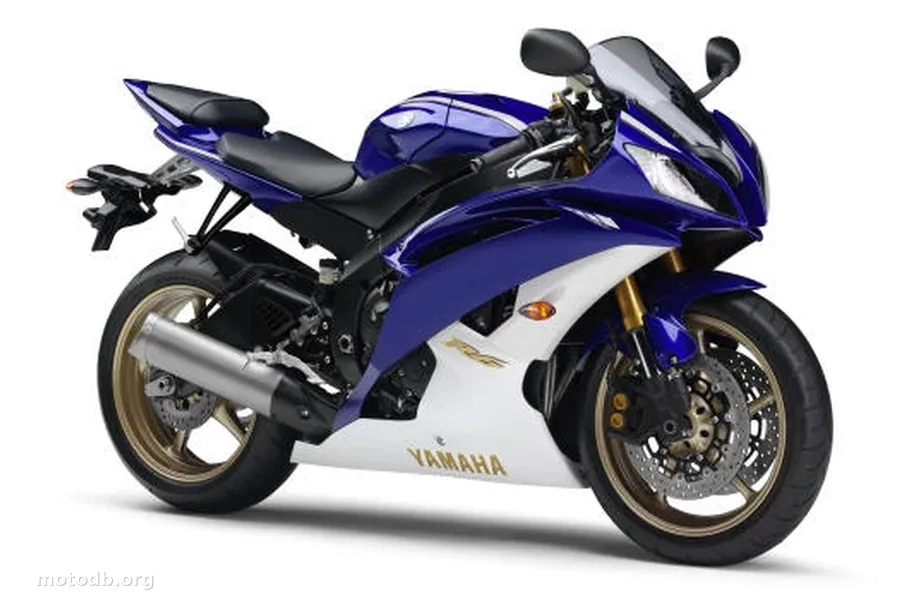
Can a 2013-model 600 sportbike still deliver thrills in 2024? Ask a seasoned track rider, and they’ll likely speak of the Yamaha YZF-R6 with a certain gleam in their eye. This machine, a successor to the major 2008 overhaul, marked the end of an era, that of ultra-precise and track-focused 600 supersport bikes. With 124 horsepower at 14,500 rpm, it paradoxically displayed a less impressive technical specification than its predecessor, which readily climbed towards 135 horsepower. One might wonder about the power output of a 2017 or 2020 Yamaha YZF-R6 600, but in 2013, the compromise lay elsewhere. Yamaha traded a few horsepower for maneuverability and a slightly more accessible torque curve, thanks to extensive work on the YCC-I variable intake and exhaust system. The engine, a 13.1:1 compression ratio inline four-cylinder, remains a marvel of responsiveness that demands it be kept above 10,000 rpm to reveal its true nature. That’s where the magic happens, in a mechanical wail that justifies all sacrifices.
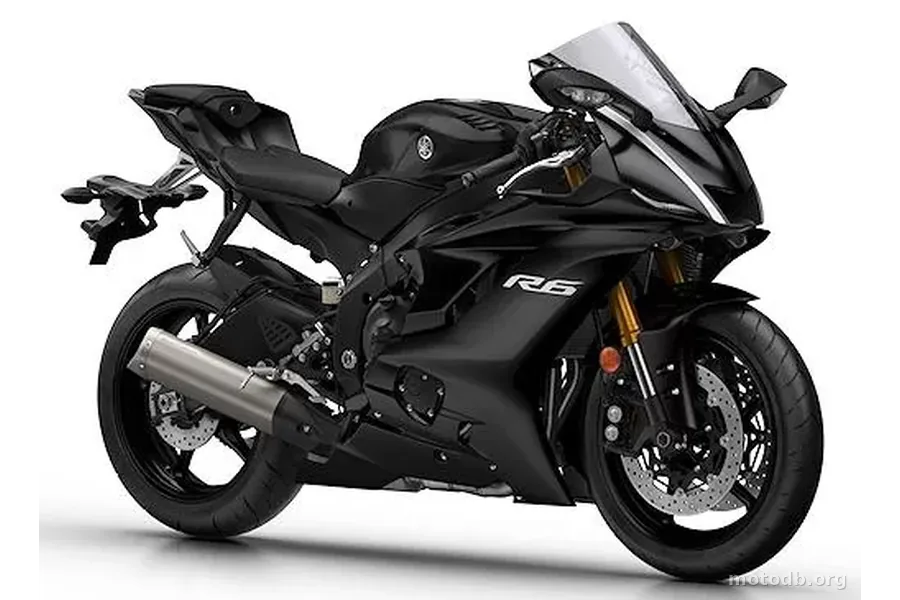
What strikes you about this R6 is its total commitment to pure performance. Its Deltabox frame, refined in places and stiffened at the steering column, works in harmony with an impeccable front end: a 41 mm inverted fork and radial brakes with monoblock calipers that bite without hesitation. The weight, however, is a weak point of this generation. At 189 kg fully fueled, it exhibits a certain generosity, a trend initiated as early as 2008. It’s far from the obsessive pursuit of shaving grams, and one can legitimately wonder about the weight of a 2008 Yamaha YZF-R6 600, which already announced this slight weight gain. Yet, once launched, this mass literally melts away. The motorcycle hugs the curves with surgical precision, guided by an incredibly communicative front end. It’s a precision weapon, designed for the track, where its chassis and high-revving engine find their natural element.
Facing the competition of the time, such as the Honda CBR600RR or the Kawasaki ZX-6R, the Yamaha clearly positioned itself as the most radical option. It was less versatile, less accommodating in the city or on winding roads at low rpm, but on a track, it delivered a feeling of control and efficiency unmatched. The 850 mm seat height and the very committed riding position confirm this vocation. It’s not a machine for beginners, nor even for a touring rider seeking comfort. It’s the tool of the demanding track rider, of one who understands the language of high revs and seeks the perfect racing line. Reviews of the 2003 Yamaha YZF-R6 600, which launched the aesthetic with its grumpy face, already praised this extreme philosophy, which the 2013 version pushed to its technical peak before the era of ubiquitous electronics.
Today, finding an R6 2013 at €12,799, its original new price, is akin to archaeology. On the used market, its value remains solid, a testament to its status as an icon. What is the price of a 2008 Yamaha YZF-R6 600 in France? It varies, but it always reflects the demand for these supersports from a bygone era. The 2013 R6 is the worthy heir to this lineage. It’s not perfect: it’s demanding, thirsty, uncomfortable, and expensive to maintain. But for those who accept its character, it offers a raw and educational riding experience that few modern motorcycles, drowned in electronic aids, can still offer. It’s the last performance of a pure mechanical philosophy, a wail of freedom at 14,500 rpm before the world becomes too quiet.
Practical info
- La moto est accessible aux permis : A
Indicators & positioning
Similar bikes
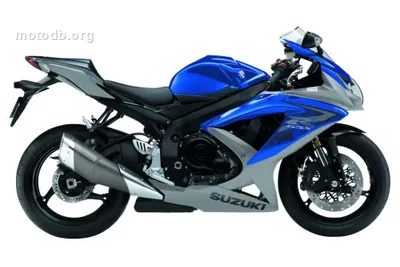
600 GSX-R 25eme anniversaire
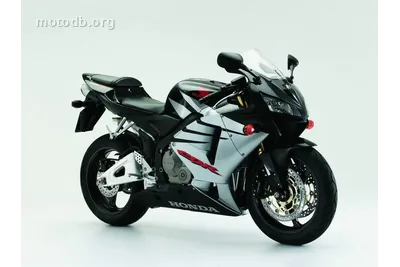
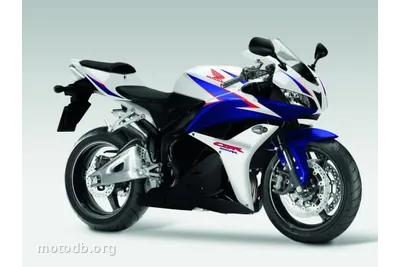
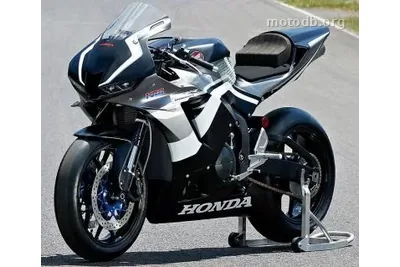
Reviews & comments
No reviews yet. Be the first to share your opinion!