Key performance
Technical specifications
Engine
- Displacement
- 600 cc
- Power
- 124.0 ch @ 14500 tr/min (91.2 kW)
- Torque
- 65.7 Nm @ 11000 tr/min
- Engine type
- 4 cylindres en ligne, 4 temps
- Cooling
- liquide
- Compression ratio
- 13.1:1
- Bore × stroke
- 67 x 42,5 mm
- Valves/cylinder
- 4
- Camshafts
- 2 ACT
- Fuel system
- injection
Chassis
- Frame
- deltabox double poutre en alu
- Gearbox
- boîte à 6 rapports
- Final drive
- Chaîne
- Front suspension
- Fourche téléhydraulique inversée Ø 41 mm, déb : 115 mm
- Rear suspension
- Mono-amortisseur, déb : 120 mm
Brakes
- Front brakes
- Freinage 2 disques Ø 310 mm, fixation radiale, étrier 4 pistons
- Rear brakes
- Freinage 1 disque Ø 220 mm, étrier 2 pistons
- Front tyre
- 120/70-17
- Rear tyre
- 180/55-17
Dimensions
- Seat height
- 850.00 mm
- Fuel capacity
- 17.00 L
- Weight
- 189.00 kg
- Dry weight
- 170.00 kg
- New price
- 12 799 €
Overview
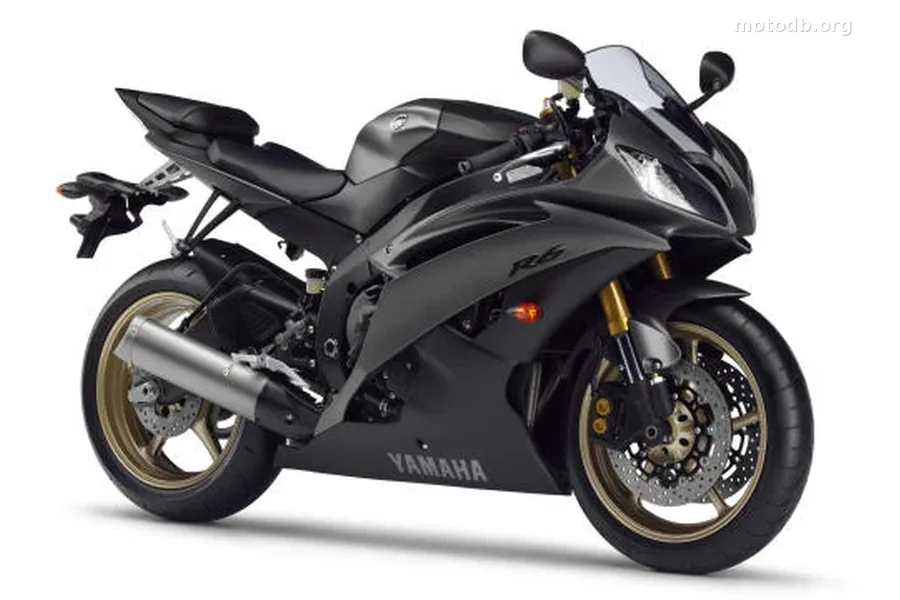
One still speaks of her, this four-cylinder fury that seemed to have found its definitive form in 2008. Yet, in 2014, the Yamaha YZF-R6 still displays specifications that make the competition pale. With 124 horsepower extracted at 14,500 rpm, it remains one of the most extreme 600s ever placed on asphalt. Its secret? An engine that is a true sophisticated piece of horology, inherited from the major overhaul of 2008. The monstrous compression ratio of 13.1:1, the titanium valves, the YCC-I variable intake, and the YCC-T electronic throttle transform each acceleration into a laboratory experience. We are far from simple brute force; here, everything is calculated to extract the last watt from this 600 cm3 block.
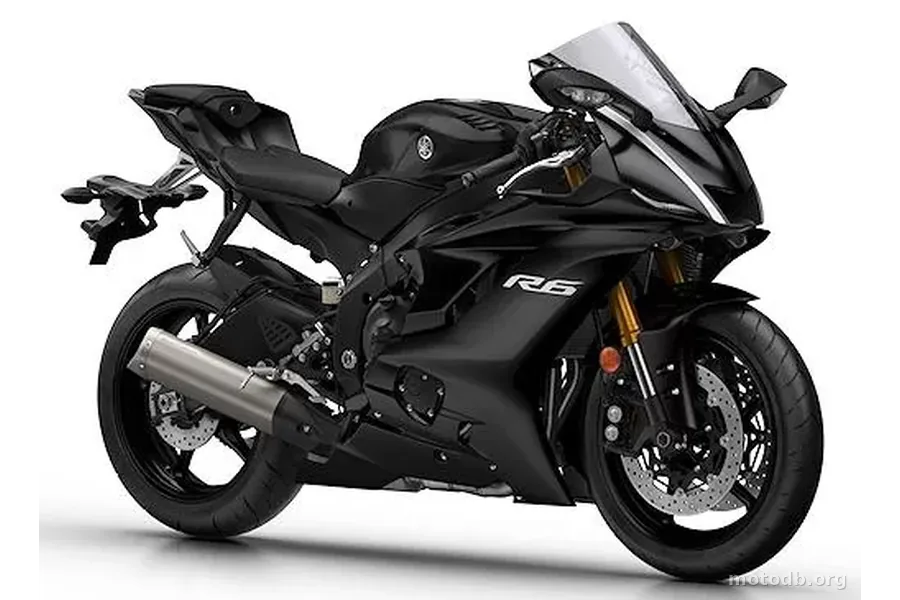
But this quest for technical perfection comes at a price, and not just on the price tag of €12,799. The torque, although slightly improved by the 2010 modifications with a longer exhaust and a reworked airbox, remains stingy at low and mid-range rpm. You really have to torture it beyond 10,000 rpm for it to reveal its true nature, which makes it a demanding, almost academic machine. And then there’s this weight. At 189 kg fully fueled, it has gained a few kilos over the years, a trend also observed on its more recent cousins. Purists sometimes wonder what the weight of a 2008 Yamaha YZF-R6 600 was, an era when the hunt for grams was more ferocious. Today, the balance sheet is mixed: a Deltabox chassis of surgical precision, biting radial monoblock brakes, but a motorcycle that demands commitment.
Compared to a more versatile Honda CBR600RR or a slightly more torquey Kawasaki ZX-6R, the R6 is clearly positioned as the tool of the pure track rider. Its riding position is radical, its 850 mm seat is high, and its 17-liter fuel tank reminds you that track sessions are short. It is a motorcycle that makes no compromises for the road. Opinions on the 2003 Yamaha YZF-R6 600 and subsequent generations agree on this point: it has always been the most racy in its class.
So, who can still claim to ride it in 2014? Certainly not the beginner, nor the touring rider seeking comfort. It is aimed at the experienced rider who understands its language, that of high revs and millimeter-perfect trajectories. For those who wonder about the evolution of its power, know that the 2014 generation shares its mechanics with the models since 2008. The question of how many horsepower the 2007 Yamaha YZF-R6 600 has therefore finds its answer here. Later versions, such as the 2017 or 2020, have maintained this extreme philosophy until its disappearance, confirming its status as a circuit legend. It is a machine that does not age, it is seasoned. And on a tight corner, regardless of the year of the frame, it will always remind you why it wrote the history of Supersports.
Practical info
- La moto est accessible aux permis : A
Indicators & positioning
Similar bikes
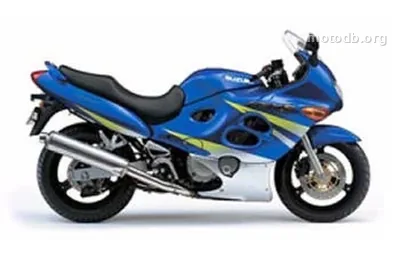
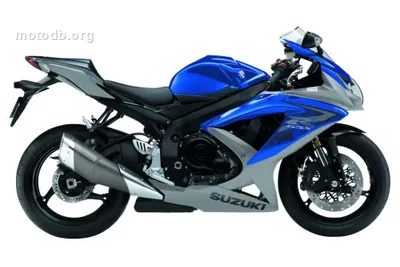
600 GSX-R 25eme anniversaire
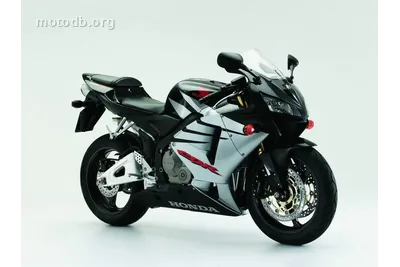
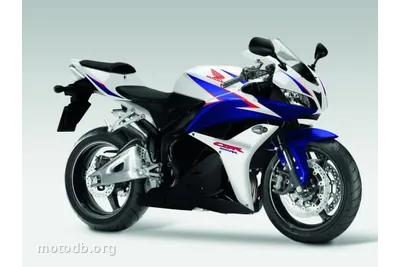
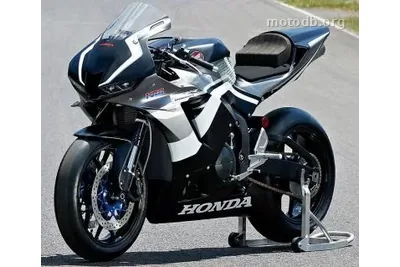
Reviews & comments
No reviews yet. Be the first to share your opinion!