Key performance
Technical specifications
Engine
- Displacement
- 599 cc
- Power
- 118.0 ch @ 14500 tr/min (86.8 kW)
- Torque
- 61.8 Nm @ 10500 tr/min
- Engine type
- 4 cylindres en ligne, 4 temps
- Cooling
- liquide
- Compression ratio
- 13.1 : 1
- Bore × stroke
- 67 x 42,5 mm
- Valves/cylinder
- 4
- Camshafts
- 2 ACT
- Fuel system
- injection
Chassis
- Frame
- deltabox double poutre en alu
- Gearbox
- boîte à 6 rapports
- Final drive
- Chaîne
- Front suspension
- Fourche téléhydraulique inversée Ø 43 mm, déb : 120 mm
- Rear suspension
- Mono-amortisseur, déb : 120 mm
Brakes
- Front brakes
- Freinage 2 disques Ø 320 mm, fixation radiale, étrier 4 pistons
- Rear brakes
- Freinage 1 disque Ø 220 mm, étrier 2 pistons
- Front tyre
- 120/70-17
- Rear tyre
- 180/55-17
Dimensions
- Seat height
- 850.00 mm
- Fuel capacity
- 17.00 L
- Weight
- 190.00 kg
- New price
- 13 999 €
Overview
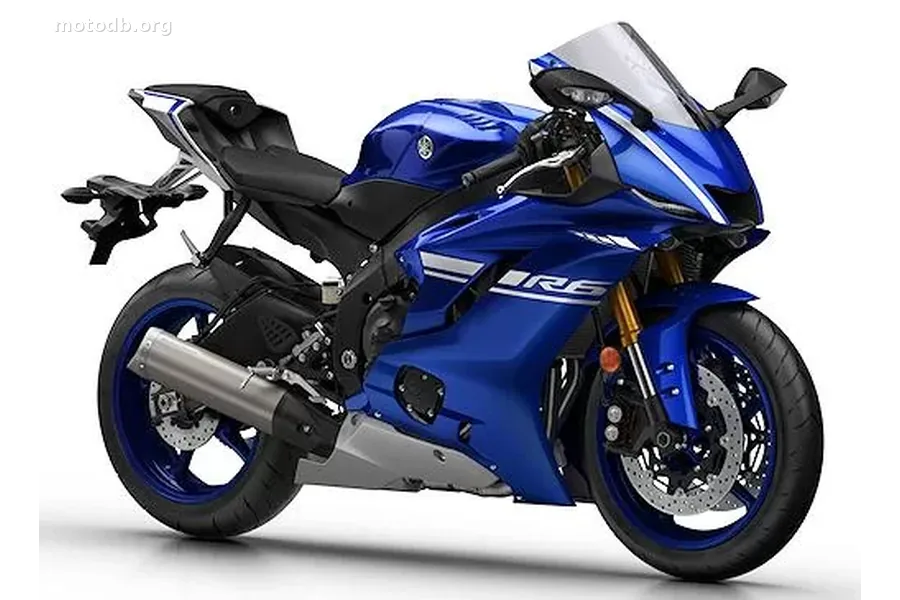
So, is the supersport 600 category still relevant? Yamaha, in 2017, responded with a defiant gesture with this YZF-R6. While other manufacturers threw in the towel, the factory with the tuning fork dared to undertake a deep facelift, freely drawing from the R1 and even MotoGP toolboxes. The result? A motorcycle that loudly proclaims it’s not there to play a supporting role, but to dominate lap times. With a displayed price of nearly €14,000, it clearly targets the pure track rider, the one who seeks the sharpest tool, not the most versatile motorcycle.
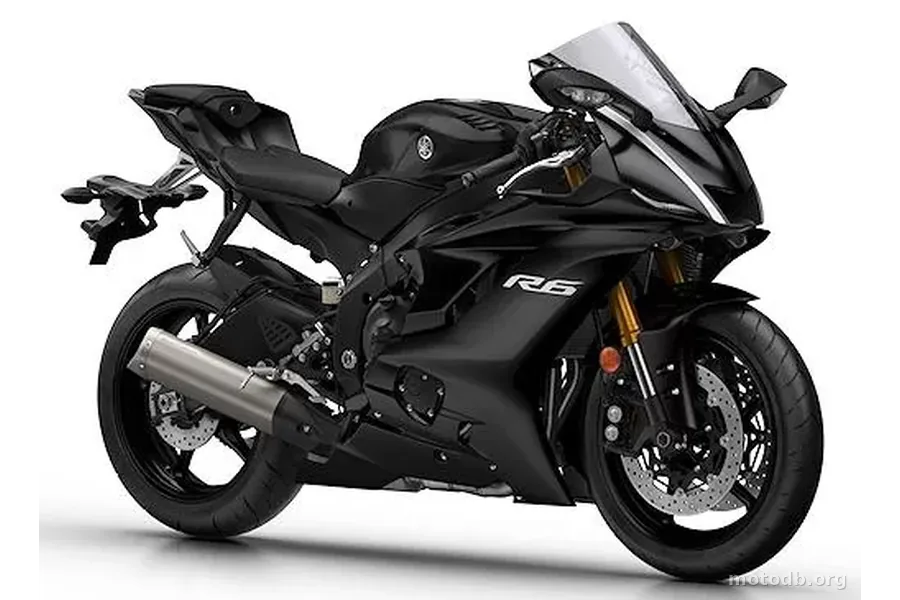
From the first glance, the technology transfer is obvious. The 2017 R6 has stolen the bodywork from its big sister, adopting that shark-like face and the central air intake directly inspired by the M1. It’s not just a matter of style. These modifications bring a tangible aerodynamic gain and announce the color: everything is optimized for pure speed. The riding position is reworked, with a narrower aluminum fuel tank and a magnesium rear frame that facilitates shifting. You can feel that the engineers scraped every gram and every millimeter to refine the contact between the rider and the machine. To answer a frequent question, **what is the weight of a 2008 Yamaha YZF-R6 600**? It weighed around 189 kg fully fueled, making this newcomer, at 190 kg, an evolution rather than a revolution on the scales, the gain being mainly in the weight distribution.
The real leap forward is in the electronics and the chassis. Finally, the R6 is equipped with a serious traction control system, with six levels of intervention, and recovers the bidirectional QSS shifter from the R1. The braking system switches to radial monoblock calipers and 320 mm discs, borrowed from the elder sibling, while the fork gains in diameter (43 mm) and sophistication. It's a track package that has nothing to envy to larger displacement engines. Yet, the heart remains the same high-revving inline 4-cylinder engine, slightly restricted by Euro 4 standards to display **118 horsepower at 14,500 rpm**. A **power output of the 2017 Yamaha YZF-R6 600** that may seem modest compared to the 120 horsepower and more of previous generations, like those of the **2007 Yamaha YZF-R6 600**. But it’s an engine that demands to be revved, a school of rigor and precision that delights purists.
So, who is it for? Certainly not the beginner or the Sunday road rider. This R6 is a precision weapon, demanding, uncomfortable, made for the circuit or very challenging mountain roads. Its price places it in the high-end segment, but it justifies this investment for those seeking the best platform for progression and performance in the category. It closes a chapter in beauty, proving that even softened by regulations, a 600 can still send shivers down your spine. **Reviews of the 2003 Yamaha YZF-R6 600** already praised its dream chassis; this latest version pushes the concept to its technological paroxysm. A legend that leaves with its head held high.
Standard equipment
- Assistance au freinage : ABS
Practical info
- La moto est accessible aux permis : A
Indicators & positioning
Similar bikes
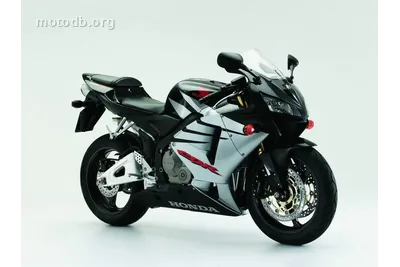
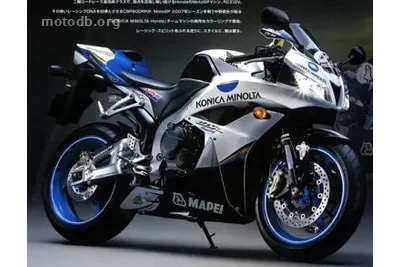
CBR 600 RR édition HANNspree Ten Kate
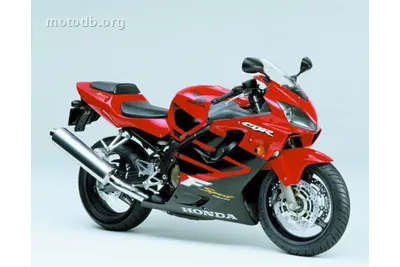
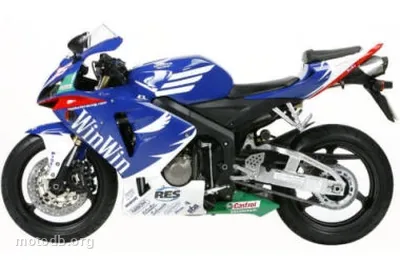
CBR 600 RR Replica MOVISTAR
Reviews & comments
No reviews yet. Be the first to share your opinion!