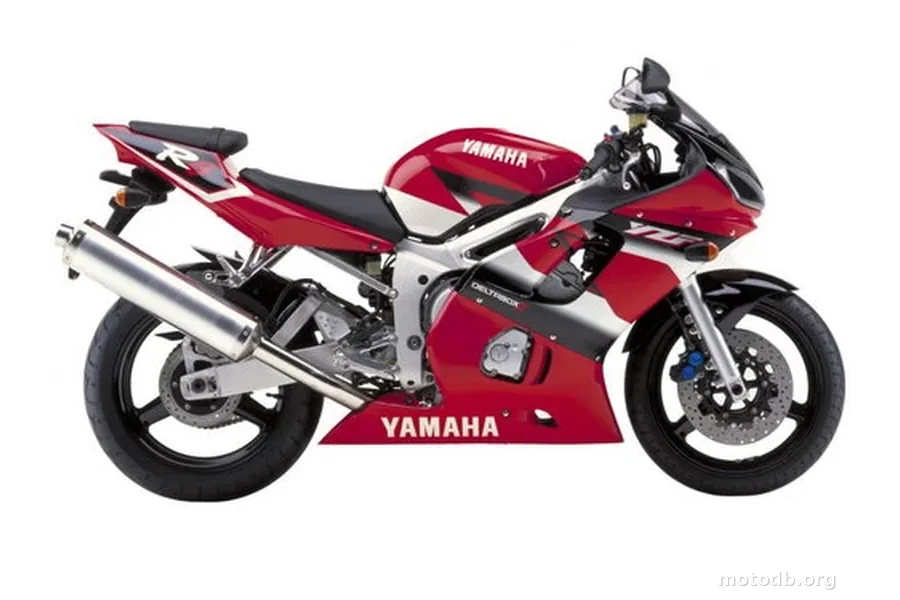
Key performance
Technical specifications
Engine
- Displacement
- 599 cc
- Power
- 120.0 ch @ 13000 tr/min (88.3 kW)
- Torque
- 67.7 Nm @ 11500 tr/min
- Engine type
- 4 cylindres en ligne, 4 temps
- Cooling
- liquide
- Compression ratio
- 12.4:1
- Bore × stroke
- 65,5 x 44,5 mm
- Valves/cylinder
- 4
- Camshafts
- 2 ACT
Chassis
- Frame
- deltabox en alu double longerons
- Gearbox
- boîte à 6 rapports
- Final drive
- Chaîne
- Front suspension
- Fourche téléhydraulique Ø 43 mm, déb : 130 mm
- Rear suspension
- Mono-amortisseur, déb : 120 mm
Brakes
- Front brakes
- Freinage 2 disques Ø 295 mm, étrier 4 pistons
- Rear brakes
- Freinage 1 disque Ø 220 mm, étrier 2 pistons
- Front tyre
- 120/60-17
- Rear tyre
- 180/55-17
Dimensions
- Seat height
- 820.00 mm
- Fuel capacity
- 17.00 L
- Weight
- 195.00 kg
- Dry weight
- 169.00 kg
- New price
- 9 600 €
Overview
Do you remember the era when a sport 600 wasn't simply a more affordable alternative to a liter bike, but a radical proposition in its own right? The 2002 Yamaha YZF-R6 embodied precisely that philosophy. With 120 horsepower released at 13,000 rpm for a dry weight of 169 kg, it posted figures that made many of its contemporaries pale. It wasn't a mellow motorcycle, but a concentrated dose of mechanical aggression intended for those who wanted to brush against the experience of racing on the road.
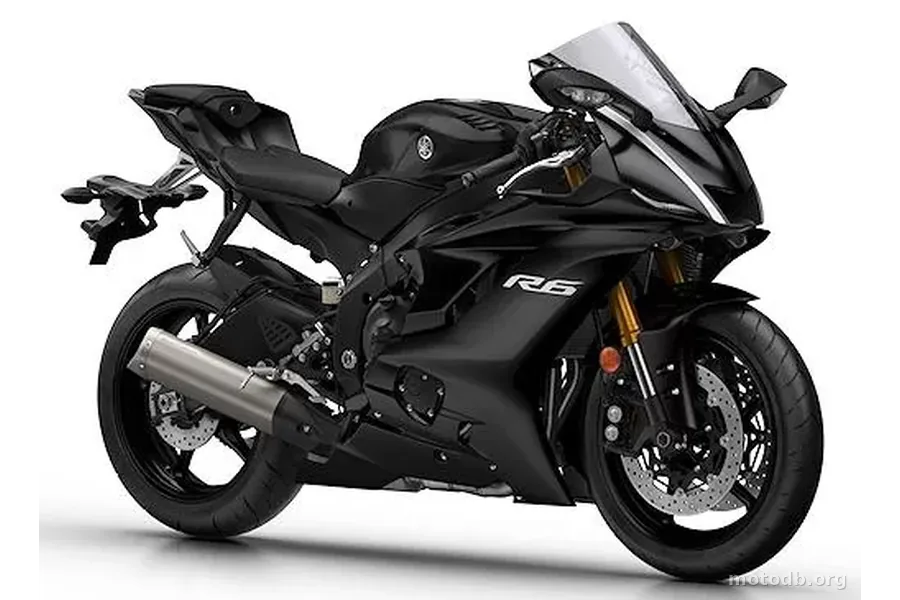
Its 599 cc engine, an inline four with sophisticated characteristics, is the perfect example of this approach. With a torque of 67.7 Nm that arrives only at 11,500 rpm, the usable range is as narrow as a circuit corridor. At low rpm, it's almost empty; the power truly doesn't kick in until above 10,000 rpm, transforming every acceleration into a brutal discharge. Compared to a Honda CBR600RR of the same generation, often considered more versatile, the R6 positions itself as a specialist. It demands active gear management from its rider and a tolerance for this explosive character.
This rigor is reflected throughout its geometry. The aluminum Deltabox frame and 43 mm fork are configured for surgical precision. The braking, with its two 295 mm front discs, is of an efficiency that can intimidate a beginner. But this hyper-specialization comes at a cost in everyday use. The 820 mm seat height and 17-liter fuel tank limit long excursions, and on a highway or a degraded road, the compromise is minimal. Its audience is clearly the track enthusiast or the pure sports touring rider, one who accepts sacrificing comfort for the precision of the handlebars and the responsiveness of the reactions.
Riding this machine requires adaptation. Once its suspension is properly adjusted, it can offer remarkable control, but the front end remains very communicative, even nervous on imperfections. To turn it smoothly, it is often necessary to use the body, sway your hips, and play with the angles. It's not intuitive; it's pedagogical: it teaches total commitment. At a price of around €9,600 at the time, it was in the top tier of 600s, justified by its level of finish and its technical orientation.
As for how many horsepower the 2001 or 2007 Yamaha YZF-R6 600 had, the answer is in the same vein, around 120 hp, with subtle changes in engine character. The weight of a 2008 Yamaha YZF-R6 600 remains within this philosophy of aggressive lightness, around 170 kg dry. Regarding the price of a 2008 Yamaha YZF-R6 600 in France, it naturally followed this logic of a high-end product. Opinions on the 2003 Yamaha YZF-R6 600, like for this 2002 model, are unanimous on its sporting potential, but divided on its daily use. Later, with the 2017 and 2020 Yamaha YZF-R6 600, the power increased again, but the original spirit of this motorcycle, this concentrated and exclusive fury, remains the DNA of the first generation. It’s not a motorcycle for everyone, but for those seeking a precision instrument, without compromise.
Practical info
- La moto est accessible aux permis : A
Indicators & positioning
Similar bikes
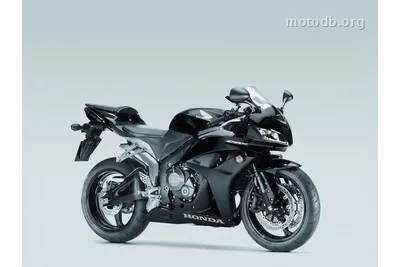
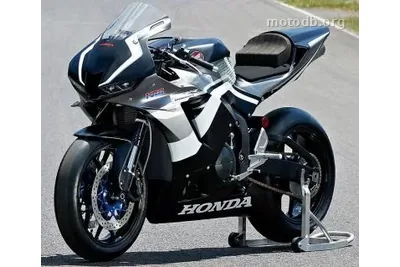
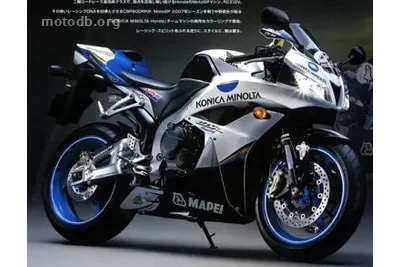
CBR 600 RR édition HANNspree Ten Kate
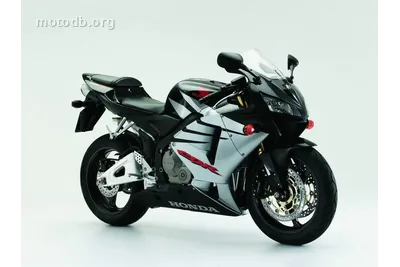
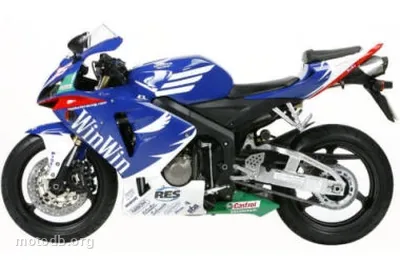
CBR 600 RR Replica MOVISTAR
Reviews & comments
No reviews yet. Be the first to share your opinion!