Key performance
Technical specifications
- Power
- 124.0 ch @ 14500 tr/min (91.2 kW) → 129.0 ch @ 14500 tr/min (94.9 kW)
- Torque
- 65.7 Nm @ 11000 tr/min → 58.8 Nm @ 11000 tr/min
- Fuel capacity
- 17.00 L → 17.30 L
- Weight
- 189.00 kg → —
- Dry weight
- 170.00 kg → 166.00 kg
- New price
- 12 499 € → 12 099 €
Engine
- Displacement
- 600 cc
- Power
- 129.0 ch @ 14500 tr/min (94.9 kW)
- Torque
- 58.8 Nm @ 11000 tr/min
- Engine type
- 4 cylindres en ligne, 4 temps
- Cooling
- liquide
- Compression ratio
- 13.1:1
- Bore × stroke
- 67 x 42,5 mm
- Valves/cylinder
- 4
- Camshafts
- 2 ACT
- Fuel system
- injection
Chassis
- Frame
- deltabox double poutre en alu
- Gearbox
- boîte à 6 rapports
- Final drive
- Chaîne
- Front suspension
- Fourche téléhydraulique inversée Ø 41 mm, déb : 115 mm
- Rear suspension
- Mono-amortisseur, déb : 120 mm
Brakes
- Front brakes
- Freinage 2 disques Ø 310 mm, fixation radiale, étrier 4 pistons
- Rear brakes
- Freinage 1 disque Ø 220 mm, étrier 2 pistons
- Front tyre
- 120/70-17
- Rear tyre
- 180/55-17
Dimensions
- Seat height
- 850.00 mm
- Fuel capacity
- 17.30 L
- Dry weight
- 166.00 kg
- New price
- 12 099 €
Overview
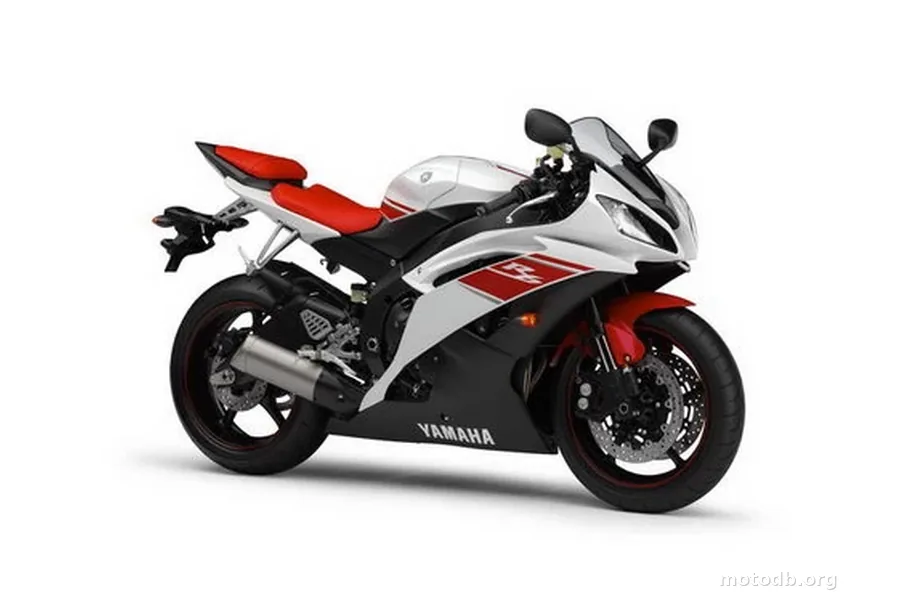
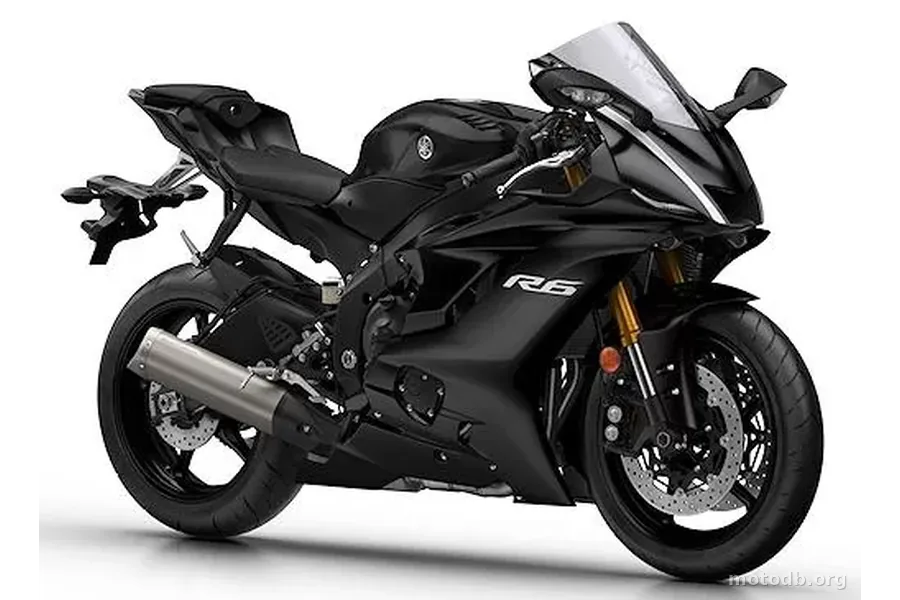
It’s often said that 600s are dead, but before burying them, it’s worth remembering what they represented at their peak. Take this 2008 Yamaha YZF-R6. At the time, it wasn’t just a motorcycle; it was a declaration of war, a machine calibrated to devour corners and humiliate larger displacement bikes on a circuit. With its official 129 horsepower at 14,500 rpm – a benchmark figure in the category – and a dry weight of 166 kg, it laid the groundwork for what a pure sportbike should be. To give you an idea, if you’re wondering about the power of the 2017 or 2020 Yamaha YZF-R6 600, know that they all inherit this radical philosophy initiated here.
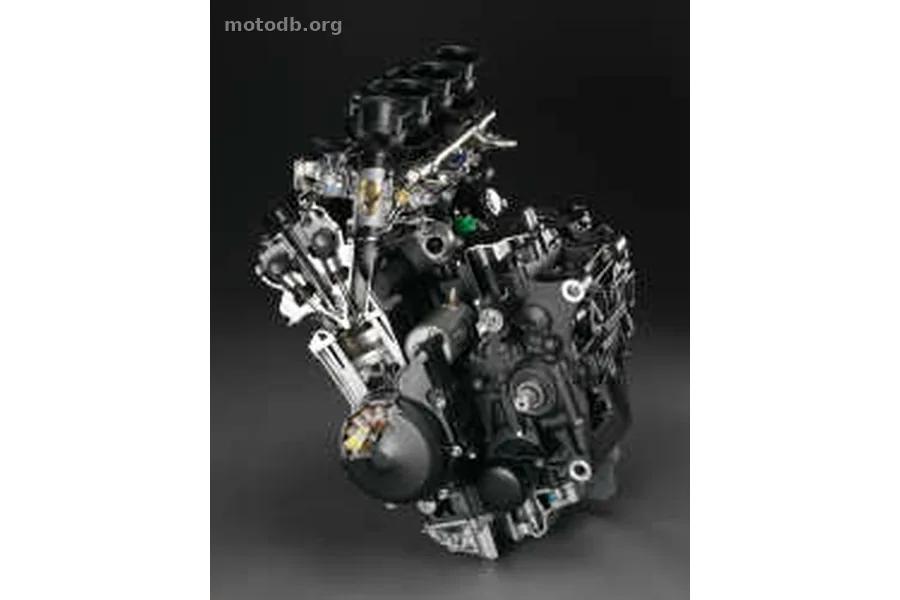
The magic wasn’t just in its numbers, but in a manic obsession with technical detail. Yamaha poured all of its MotoGP expertise into this engine. The compression ratio rises to 13.1:1, a record for the time, and engineers grafted on the YCC-I variable intake system, borrowed from the larger R1. The goal? To combat the Achilles' heel of high-revving 4-cylinder engines: lack of flexibility. The system modifies the length of the runners to offer a bit more response at low rpm, but don't be fooled, the soul of this machine vibrates beyond 10,000 rpm. You have to torture it to unleash its true character, a mechanical wail that justifies all sacrifices. The torque, 58.8 Nm at 11,000 rpm, is just a formality on the road to ecstasy.
The chassis, a redesigned aluminum Deltabox, participates in this quest for absolute efficiency. Stiffness was reworked surgically, the magnesium rear frame shaves off grams, and the 41 mm inverted fork keeps the 120/70 and 180/55 tires glued to the tarmac. The brakes, with their radial 4-piston calipers clamping 310 mm discs, inspire absolute confidence. It’s a motorcycle that communicates everything, unfiltered. To the point that on the open road, its hyper-demanding character can become exhausting. The 850 mm seat puts you in a permanent combat position, and the 17.3-liter fuel tank reminds you that breaks will be frequent.
Who was it aimed at? Clearly the seasoned track rider or the pure sportbike enthusiast willing to make concessions in everyday life. For 12,099 euros at the time, you bought a near-instant circuit weapon. Today, on the used market, it remains a benchmark. Opinions on the 2003 Yamaha YZF-R6 600 or questions about the weight of an R6 2008 show that this generation has made an impression. Compared to a CBR600RR of the time, more versatile, or a GSX-R 600, sometimes perceived as more accessible, the Yamaha stood out for its radical, almost intellectual, approach to performance.
So, masterpiece or machine that’s too extreme? A bit of both. The 2008 YZF-R6 is the embodiment of a philosophy now gone, where the pursuit of track performance took precedence without compromise. It’s not gentle, nor easy to live with, but for those who understand its language, it offers sensations that few modern, electronics-sterilized motorcycles can still convey. It’s the last of a line of wildcats that were tamed with sweat and talent, not with a drop-down menu.
Practical info
- La moto est accessible aux permis : A
Indicators & positioning
Similar bikes
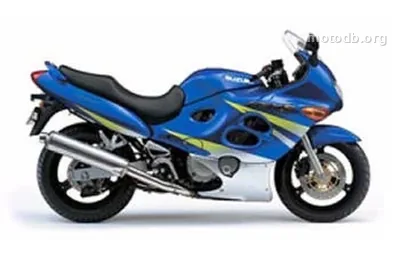
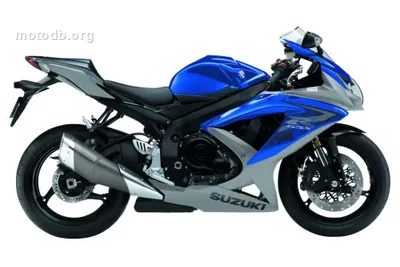
600 GSX-R 25eme anniversaire
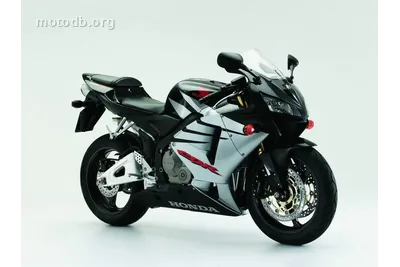
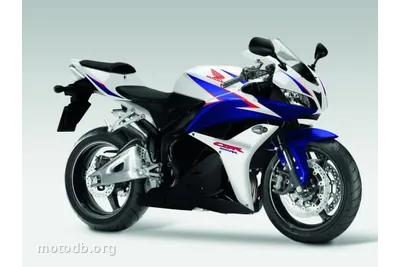
Reviews & comments
No reviews yet. Be the first to share your opinion!