Key performance
Technical specifications
Engine
- Displacement
- 1103 cc
- Power
- 214.0 ch @ 13000 tr/min (156.2 kW)
- Torque
- 124.0 Nm @ 10000 tr/min
- Engine type
- V4, four-stroke
- Cooling
- Liquid
- Compression ratio
- 14.0:1
- Bore × stroke
- 81.0 x 53.5 mm (3.2 x 2.1 inches)
- Valves/cylinder
- 4
- Camshafts
- 2 ACT
- Fuel system
- Injection. Electronic fuel injection system. Twin injectors per cylinder. Full ride-by-wire elliptical throttle bodies.
- Valve timing
- Desmodromic valve control
- Starter
- Electric
Chassis
- Frame
- Aluminium alloy
- Gearbox
- 6-speed
- Final drive
- Chain (final drive)
- Clutch
- Slipper and self-servo wet multiplate clutch with hydraulic control
- Front suspension
- Showa BPF 43mm fork
- Rear suspension
- Fully adjustable Sachs unit. Aluminium single-sided swingarm.
- Front wheel travel
- 120 mm (4.7 inches)
- Rear wheel travel
- 130 mm (5.1 inches)
Brakes
- Front brakes
- Double disc. ABS. Floating discs. Radially mounted.
- Rear brakes
- Single disc. ABS. Two-piston calipers.
- Front tyre
- 120/70-ZR17
- Front tyre pressure
- 2.30 bar
- Rear tyre
- 200/60-ZR17
- Rear tyre pressure
- 2.10 bar
Dimensions
- Seat height
- 830.00 mm
- Wheelbase
- 1469.00 mm
- Fuel capacity
- 16.00 L
- Weight
- 198.00 kg
- Dry weight
- 175.00 kg
- New price
- 22 790 €
Overview
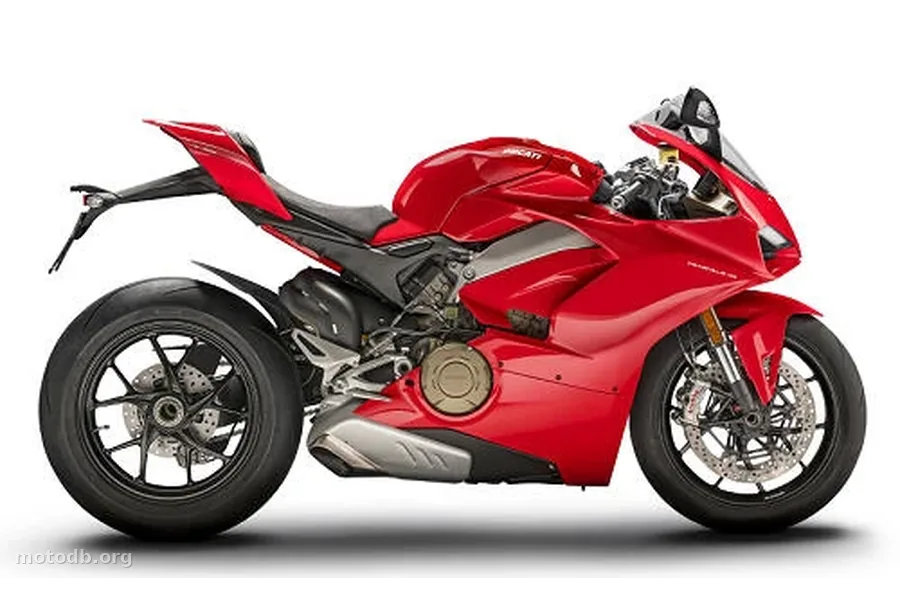
Thirty years of two-cylinder engines, desmodromic valve actuation, and a recognizable sound. Then Bologna decided to completely rethink everything. When the Ducati Panigale V4 first appeared under the spotlight, the shock wasn's just aesthetic. It was an assumed identity shift, a bet on the future that left no room for compromise. The twin was dead, long live the V4.
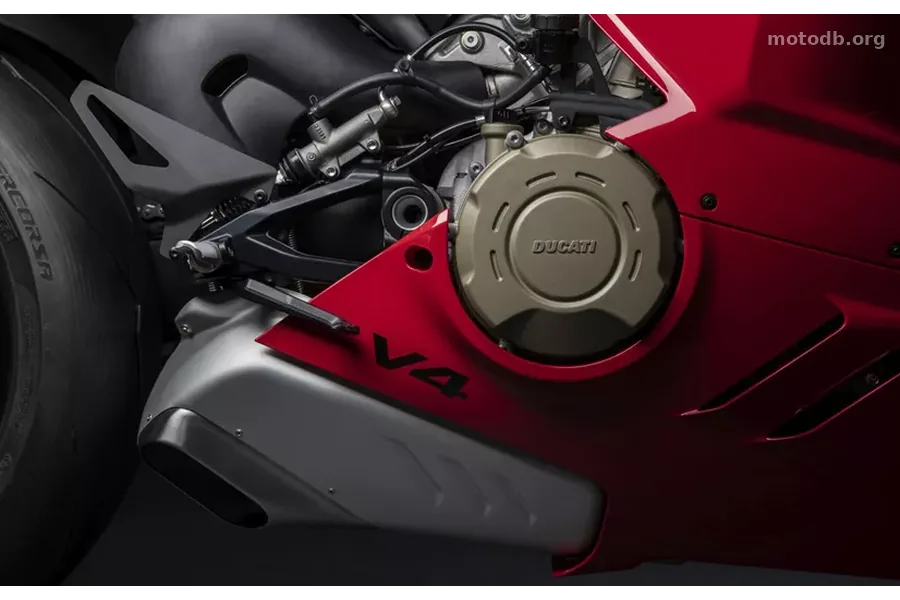
The engine block occupying the 4-kilo aluminum frame isn't simply a new engine. It's a direct loan from competition, based on MotoGP internal dimensions with an 81 mm bore and a 53.5 mm stroke, for a total displacement of 1103 cm3. The resulting figures are 214 horsepower at 13,000 rpm and 124 Nm of torque at 10,000 rpm. Facing a Yamaha R1 with a peak of 200 horsepower or a Honda CBR 1000 RR-R with 217, the Ducati Panigale V4 doesn't play the game of absolute records. It plays the game of character. The twin-pulse timing, the counter-rotating crankshaft, variable intake, all build a sonic and mechanical personality that neither the R1 nor the CBR can claim. The rev limit can climb to 14,000 rpm, where the 1299 Panigale’s twin-cylinder topped out at 11,000. It’s no longer the same instrument. It’s a different orchestra.
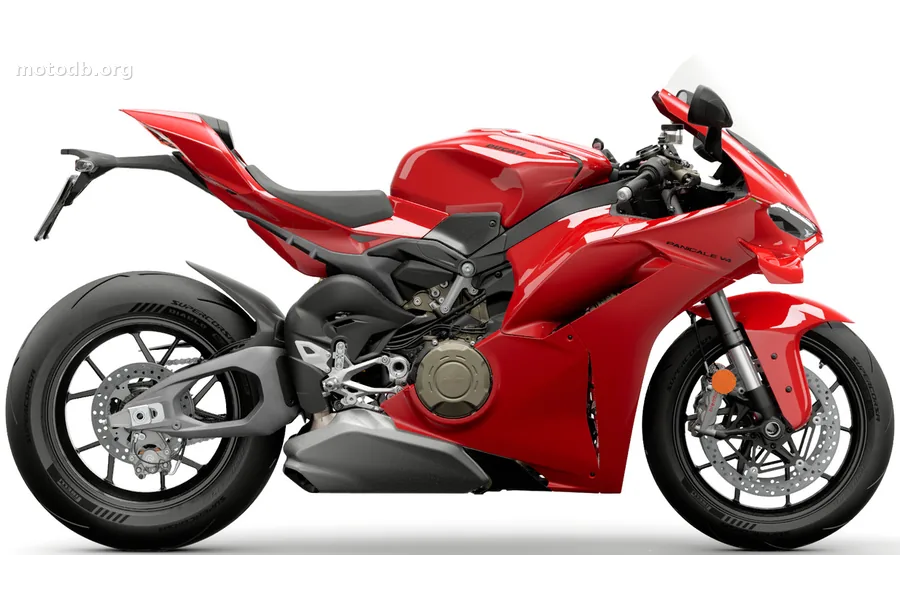
The chassis adheres to the same density logic. The aluminum "Front Frame" relies on the engine cases to gain rigidity without sacrificing weight. 43 mm Showa BPF suspension forks at the front and a fully adjustable Sachs rear shock replace previous solutions without losing precision. With 175 kg dry weight and 198 kg fully fueled, the Ducati Panigale V4’s technical specifications remain the lightest of its generation of four-cylinder hypersport bikes. The ratio of one horsepower per kilo is flattering. The high 830 mm seat height and 1469 mm wheelbase define a riding position that doesn’t lie about intentions. This bike isn't for beginners. It's for track riders, for riders who already know their limits and are looking for a machine that doesn't.
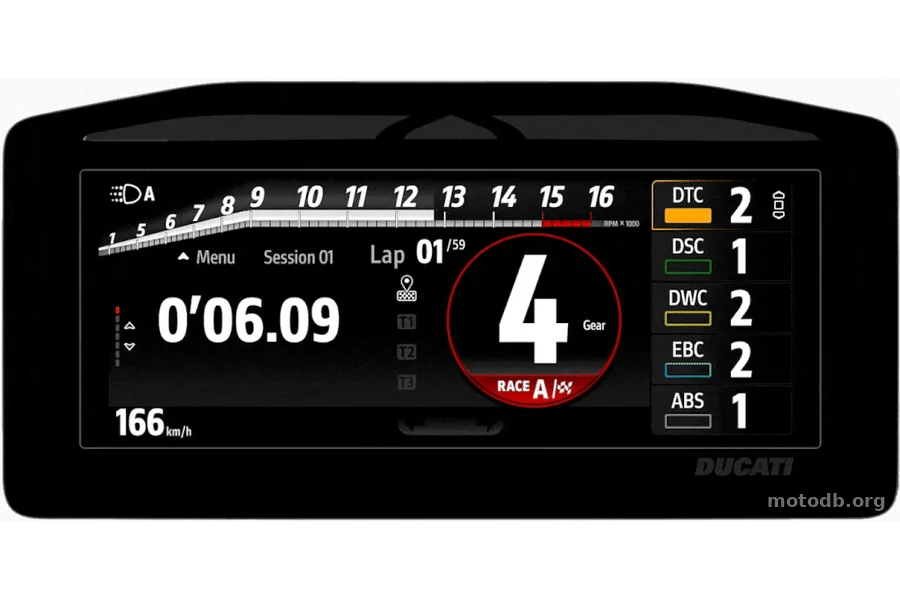
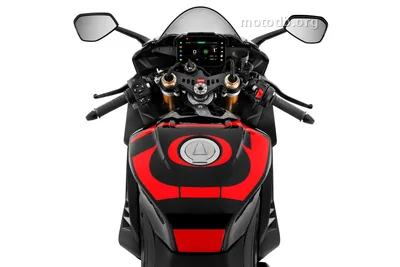
The electronic arsenal helps make this beast accessible on the track without compromising the experience. Three-level Cornering ABS EVO, DTC EVO traction control with "Spin on demand" function, bidirectional DQS EVO quickshifter, DWC EVO anti-wheelie, three-level launch control. Three riding modes, Street, Sport, and Race, all customizable. The 5-inch TFT screen with 800 x 480 pixel resolution displays all of this cleanly, even with a simulated tachometer for those who haven't digested bargraphs. The only regret is a single word. This launch version doesn't innovate on the interface. The catalog has been updated, not revolutionized.
At €22,790 at launch, the Ducati Panigale V4’s price positions the machine above an R1 or a CBR RR, but below future evolutions of the range. The Ducati Panigale V4 adds semi-active Öhlins suspension and forged aluminum wheels for those who want to go further without waiting for the Ducati Panigale V4 R, which appeared in 2019 with a reduced displacement compliant with Superbike regulations and higher power than the standard 1103. Even higher was the Ducati Panigale V4 Superleggera, whose Superleggera price reflected an ambition of lightness and performance far beyond what the series can offer. Subsequent versions, Ducati Panigale V4 2020, Ducati Panigale V4 2021, and Ducati Panigale V4 2022, refined aerodynamics and electronics without questioning the fundamentals established from the first year.
Buying a used Ducati Panigale V4 today gives access to this technical heritage at a reduced price. But you have to know what you're getting into. This bike demands commitment, regularity on the track, and a certain humility in the face of 214 horsepower that have no sense of pedagogy. For the experienced track rider looking for the most accomplished machine in the segment, the answer is here. For others, Street and Sport modes exist, but they won't transform this Bologna bomb into a weekend road bike.
Standard equipment
- Assistance au freinage : ABS in curves
- Bluetooth
Practical info
- La moto est accessible aux permis : A
Reviews & comments
No reviews yet. Be the first to share your opinion!