Key performance
Technical specifications
Engine
- Displacement
- 1198 cc
- Power
- 162.0 ch @ 9500 tr/min (119.2 kW)
- Torque
- 126.5 Nm @ 8000 tr/min
- Engine type
- Bicylindre en L à 90°, 4 temps
- Cooling
- liquide
- Compression ratio
- 11.5 : 1
- Bore × stroke
- 106 x 67.9 mm
- Valves/cylinder
- 4
- Camshafts
- 2 ACT
- Fuel system
- Injection Ø 58 mm
Chassis
- Frame
- Treillis tubulaire en acier relié à 2 platines en alu
- Gearbox
- boîte à 6 rapports
- Final drive
- Chaîne
- Front suspension
- Fourche téléhydraulique inversée Ø 50 mm, déb : 130 mm
- Rear suspension
- Mono-amortisseur, déb : 120 mm
Brakes
- Front brakes
- Freinage 2 disques Ø 320 mm, fixation radiale, étrier 4 pistons
- Rear brakes
- Freinage 1 disque Ø 265 mm, étrier 2 pistons
- Front tyre
- 120/70-17
- Front tyre pressure
- 2.50 bar
- Rear tyre
- 240/45-17
- Rear tyre pressure
- 2.50 bar
Dimensions
- Seat height
- 770.00 mm
- Fuel capacity
- 17.00 L
- Dry weight
- 207.00 kg
- New price
- 19 990 €
Overview
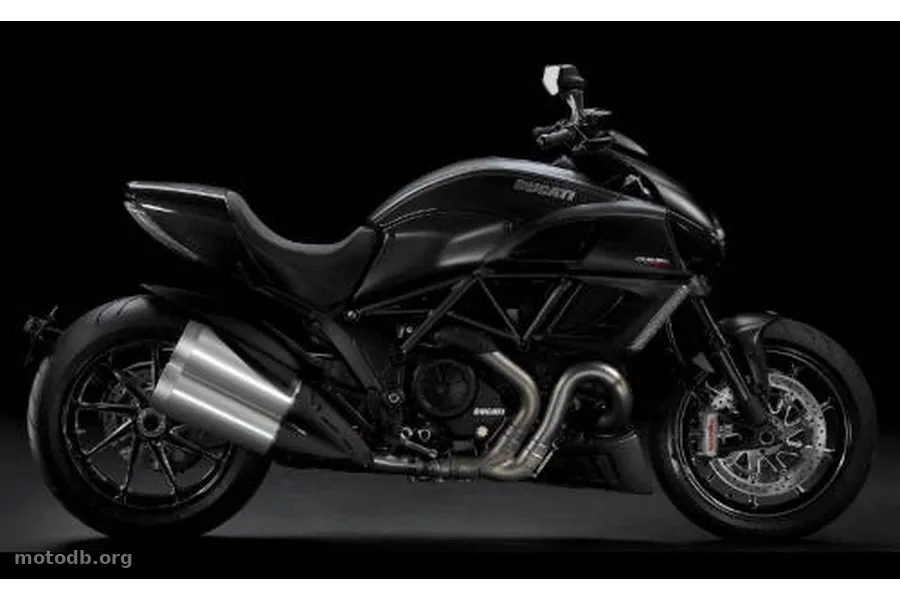
When Ducati unveiled the Diavel in 2011, nobody really knew which category to put it in. Roadster? Cruiser? Muscle bike? The Borgo Panigale manufacturer was content to blur the lines with an unclassifiable machine, then took it up a notch with the Ducati Diavel Carbon 1200. Where most Italian brands offer their models in S or R versions loaded with Öhlins suspension, Bologna played the carbon card. Tank, seat cowl, front fender: carbon fiber weaves its web over the most visible parts and reinforces the look of a beast carved from obsidian. The weight savings on these components remain modest, but it's really the forged Marchesini wheels that make the difference: 2.5 kg saved on unsprung mass is far from negligible when it comes to pivoting a 240 mm wide rear tire. The 50 mm inverted fork receives DLC treatment on its tubes, a black coating that reduces friction and gives the whole package a decidedly aggressive appearance.
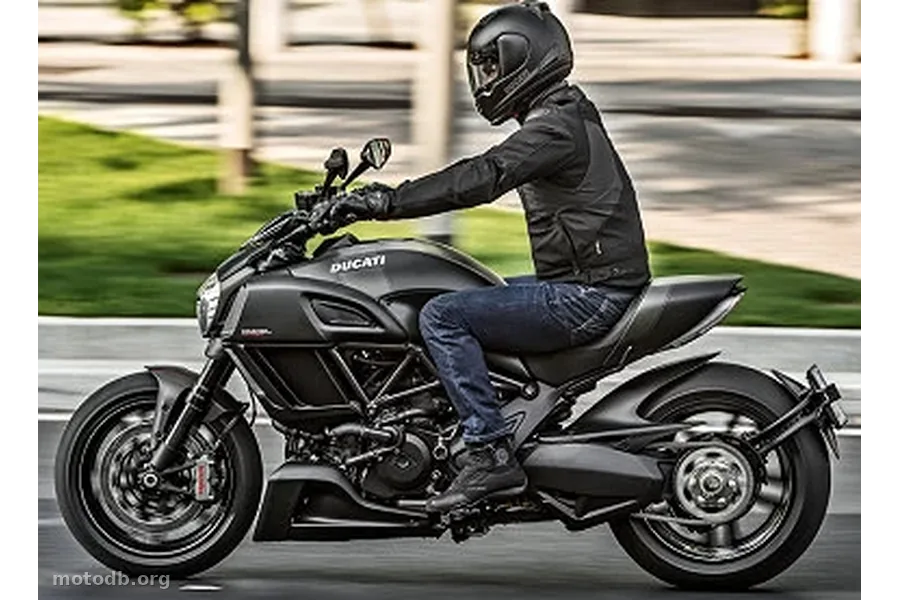
Beneath this dark skin beats the 1198 cc Testastretta twin, a 90° L-twin that delivers 162 horsepower at 9,500 rpm and 126.5 Nm of torque at 8,000 rpm. Figures worthy of a pure sportbike, housed in a trellis frame that tips the scales at 207 kg dry. To put things in perspective, that's the weight of a Kawasaki Z750 of the era, with the firepower of a 1098 under the seat. This power-to-weight ratio places the machine in a class of its own, somewhere between a bodybuilder cruiser à la V-Max and a radical roadster in the vein of the Speed Triple, without truly being either one. The six-speed gearbox and chain drive remain conventional, but it's the onboard electronics that bring things up to date: three engine maps, ABS, and traction control stand guard to channel that volcanic temperament.
On the road, the Diavel Carbon disconcerts as much as it delights. The riding position, arms spread wide and feet slightly forward, evokes a cruiser. But the seat perched at just 770 mm is reassuring, and the ground clearance allows lean angles of up to 41 degrees, which is remarkable for a machine fitted with such a generous rear tire. Braking duties fall to two 320 mm radially mounted discs up front, clamped by four-piston calipers. More than enough to haul down the 250 km/h top speed claimed by the manufacturer. The 17-liter tank demands frequent stops if you exercise the twin with enthusiasm, but let's be honest — this isn't the kind of motorcycle you buy to cross the country in one go.
So who is it aimed at, exactly? Certainly not the beginner, despite surprisingly nimble handling in everyday riding and a keyless ignition system that's welcome in the city. The Diavel Carbon targets the experienced rider who refuses to choose between the raw character of a big Italian twin and the comfort of a relaxed riding position. The rider who wants to turn heads at a café terrace and then attack a winding back road without feeling held back. At a launch price of €19,990, it positions itself as an unapologetic object of desire, well above a Yamaha V-Max or a Triumph Rocket III in terms of technical sophistication. The entry ticket is steep, but the proposition is unique. With the Diavel, Ducati invented a niche that nobody occupied, and the Carbon version stands as its most refined and most desirable expression.
Standard equipment
- Assistance au freinage : ABS en série
Practical info
- La moto est accessible aux permis : A
Indicators & positioning
Similar bikes
XL 1200 SPORTSTER LOW
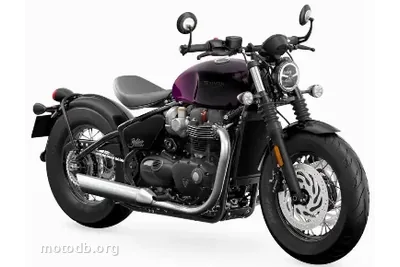
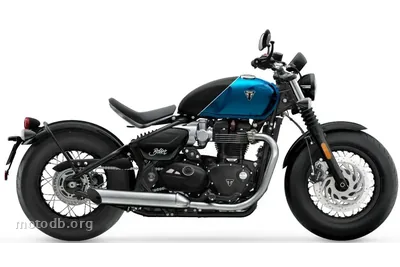
Bonneville Bobber Purple Stealth Edition
1200 V4 SV One of One 'RCW 588 replica'
Reviews & comments
No reviews yet. Be the first to share your opinion!