Key performance
Technical specifications
Engine
- Displacement
- 124 cc
- Power
- 15.0 ch @ 9250 tr/min (11.0 kW)
- Engine type
- Monocylindre, 4 temps
- Cooling
- liquide
- Compression ratio
- 12 : 1
- Bore × stroke
- 58 x 47 mm
- Valves/cylinder
- 4
Chassis
- Frame
- double poutre périmétrique en alu
- Gearbox
- boîte à 6 rapports
- Final drive
- Chaîne
- Front suspension
- Fourche téléhydraulique inversée Ø 40 mm, déb : 110 mm
- Rear suspension
- Mono-amortisseur, déb : 120 mm
Brakes
- Front brakes
- Freinage
- Rear brakes
- Freinage 1 disque
- Front tyre
- 110/70-17
- Front tyre pressure
- 1.90 bar
- Rear tyre
- 130/70-17
- Rear tyre pressure
- 2.00 bar
Dimensions
- Fuel capacity
- 14.00 L
- Dry weight
- 120.00 kg
- New price
- 4 099 €
Overview
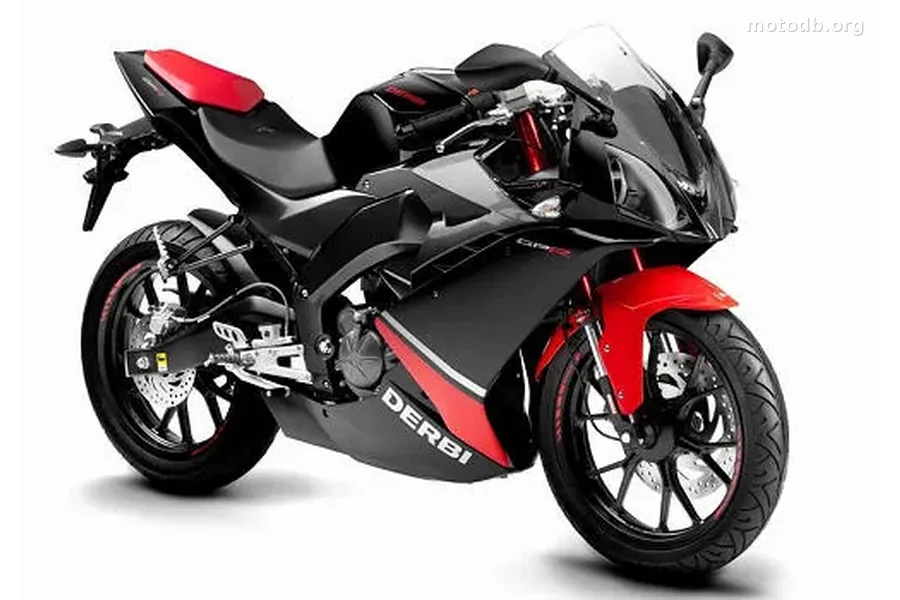
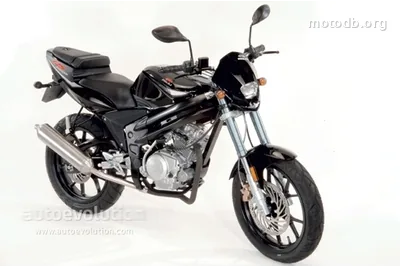
Nineteen world championship titles in Grand Prix racing forge a reputation. Derbi built its legend on small displacement engines, with victories snatched by millimeters on race tracks around the world. The 2012 GPR 125 marks a turning point, however: farewell to the fierce two-stroke, hello to the four-stroke. A choice dictated by stricter emissions regulations more than by nostalgia, but a choice assumed to the very end.
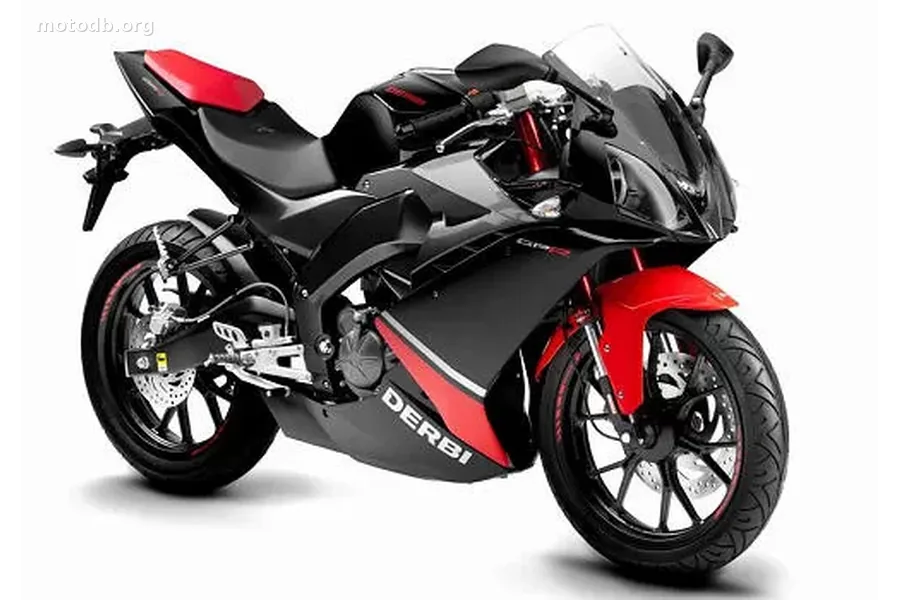
The 124 cc single-cylinder engine produces 15 horsepower at 9,250 rpm, with a muscular compression ratio of 12:1 for such a modest displacement. Clearly, the electrifying rev range of a two-stroke is not found here, that instant punch that would send the rider into the scenery before even checking the speedometer. But the CBR 125 from Honda and the YZF-R 125 from Yamaha have been in the same boat for a while. The playing field is identical for everyone: 120 km/h at cruising speed, 130 in favorable conditions, and noticeably superior daily usability thanks to controlled consumption and a noise that no longer alerts the entire neighborhood at every start.
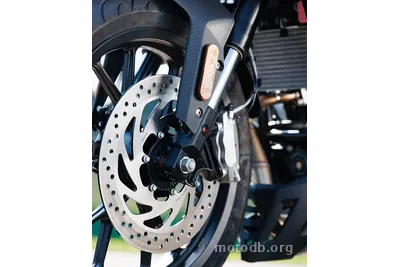
What really stands out is the presentation. The GPR doesn’t just play the part of a sporty-looking machine. The 40 mm inverted fork, with 110 mm of travel, places the machine in a category of its own: while its Japanese competitors are equipped with conventional forks, the Spanish bike borrows components worthy of a true supersport. This diameter evokes that of the first R1, and even if the analogy stops there, the message is clear. The front end is up to the machine's visual ambitions. The braking follows the same logic: 300 mm disc with radial caliper at the front, to stop the 120 kilos of the beast without particular effort.
The perimeter aluminum double-beam frame completes the picture, with an asymmetrical swingarm in the same metal. The rear shock directly attacks the swingarm, without connecting rods. Progressiveness takes a hit, but handling gains in frankness, in precision. For a young rider learning to read the road, this direct feedback is not necessarily a defect. The 14-liter tank guarantees correct range, and the digital dashboard would make machines twice as expensive blush: bar graph tachometer, stopwatch, shift light, maximum speed memorized, tachometer. Only a fuel gauge is missing, an annoying detail on a machine otherwise so well equipped.
Priced at 4,099 euros, the GPR 125 clearly targets young license holders who want a machine with serious equipment, without aesthetic compromises. It doesn't look like a motorcycle restricted to meet legal obligations. It looks like a motorcycle that someone designed with conviction, starting from a sporty specification rather than a commercial one. For the A1 audience, this is a significant argument.
Practical info
- La moto est accessible aux permis : A
Reviews & comments
No reviews yet. Be the first to share your opinion!