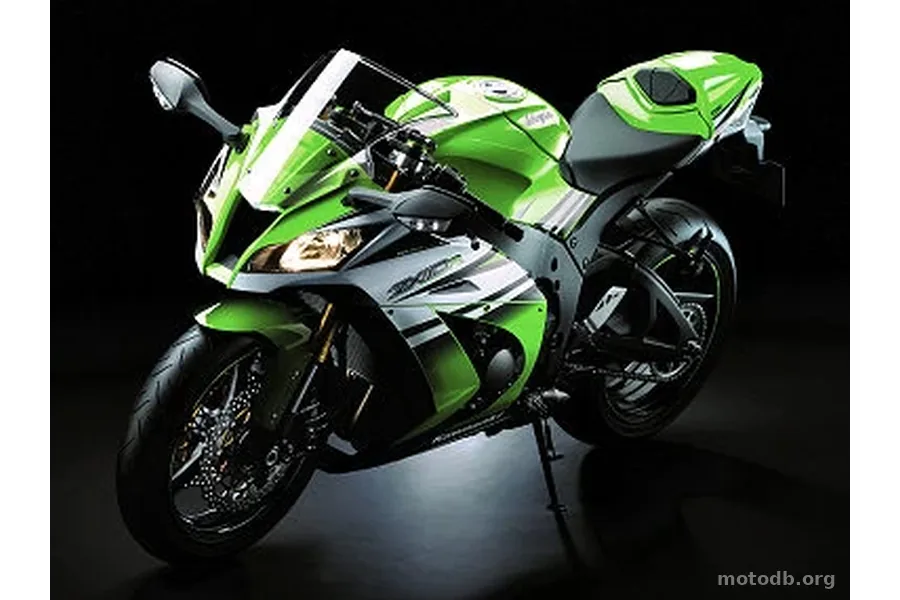
Key performance
Technical specifications
Engine
- Displacement
- 998 cc
- Power
- 200.0 ch @ 13000 tr/min (147.1 kW)
- Torque
- 113.8 Nm @ 11500 tr/min
- Engine type
- 4 cylindres en ligne, 4 temps
- Cooling
- liquide
- Compression ratio
- 13 : 1
- Bore × stroke
- 76 x 55 mm
- Valves/cylinder
- 4
- Camshafts
- 2 ACT
- Fuel system
- Injection Ø 47 mm
Chassis
- Frame
- double poutre périmétrique en alu
- Gearbox
- boîte à 6 rapports
- Final drive
- Chaîne
- Front suspension
- Fourche téléhydraulique inversée BPF Ø 43 mm, déb : 120 mm
- Rear suspension
- Mono-amortisseur, déb : 114 mm
Brakes
- Front brakes
- Freinage 2 disques Ø 330 mm, fixation radiale, étrier 4 pistons
- Rear brakes
- Freinage 1 disque Ø 220 mm, étrier simple piston
- Front tyre
- 120/70-17
- Rear tyre
- 190/55-17
Dimensions
- Seat height
- 835.00 mm
- Fuel capacity
- 17.00 L
- Weight
- 206.00 kg
- New price
- 17 599 €
Overview
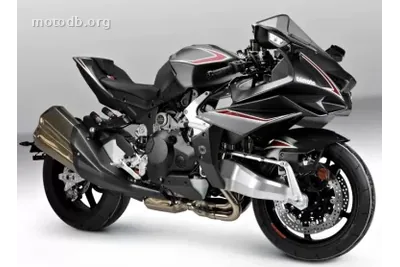
This is the story of a motorcycle that learned to read minds. While competitors lined up horses by the dozens and increasingly intrusive electronic gadgets, Kawasaki took a different approach with this 2016 ZX-10R. It’s not just a track beast; it aspires to become an extension of the rider, a precision tool crafted from steel and aluminum, fueled by constant feedback from the KRT in WorldSBK. This is far from a simple aesthetic evolution; it’s a philosophical recalibration.
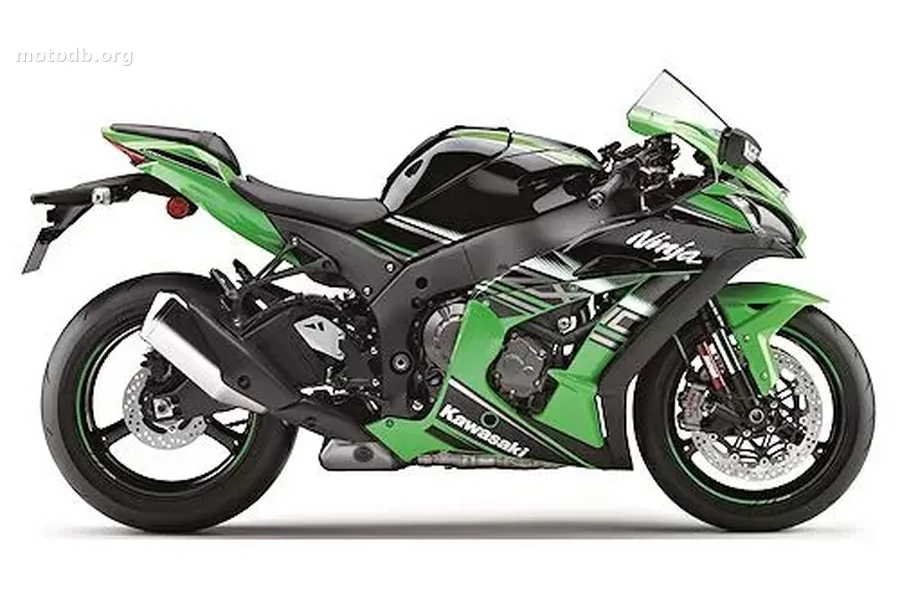
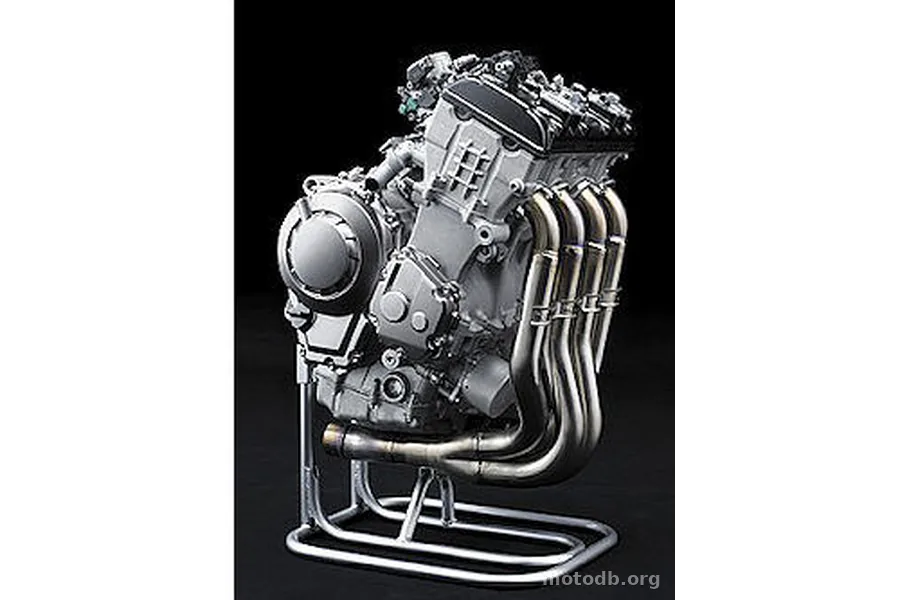
Under the sharpened fairing, which gains elegance without denying its native aggression, beats the heart of a legendary four-cylinder engine. Kawasaki retained the official 200 horsepower, a power that seems almost reasonable on paper compared to some Italian excesses. But don't be fooled. The real work of the engineers focused on exploitability and response. A 20% lighter crankshaft, optimized intake and exhaust, lighter pistons: every gram was chased away so that this engine responds with the ferocity of a spring. The power is there, but it's mostly intelligent, channeled by a reworked gearbox for quick acceleration. It's a mechanical system that speaks the language of the track, the one that earned the brand its successes in the world championship.
And speaking of the track, that's where this Ninja deploys its most convincing arsenal. The chassis, a classic aluminum double beam, has undergone subtle geometric modifications to transfer more weight to the front and sharpen the feel on corner entry. But the true generational leap is the arrival of the Showa BFFF front fork. This external chamber fork, inspired by pure competition, offers a clarity and progressiveness of damping that are rare. Coupled with Brembo M50 monoblock brakes biting 330mm discs, it provides absolute confidence. You can feel that each component dialogues with the other, creating a cohesive whole, even against an Aprilia RSV4 or a BMW S 1000 RR.
Electronics, often a marketing catch-all, become a true co-pilot here. The 5-axis Bosch inertial module, a rare gem at the time, allows the S-KTRC system to manage wheelspin while taking into account the machine's lean angle. Clutch control, anti-wheelie, launch control, and even an automatic quickshifter for upshifts transform the rider into a strategist. For around €17,600 at the time, you were buying a slice of MotoGP technology. It is also interesting to compare the price of a Kawasaki ZX-10R 1000 from 2016 in France with that of more recent models, such as the 2018 version, to measure the evolution of the offer.
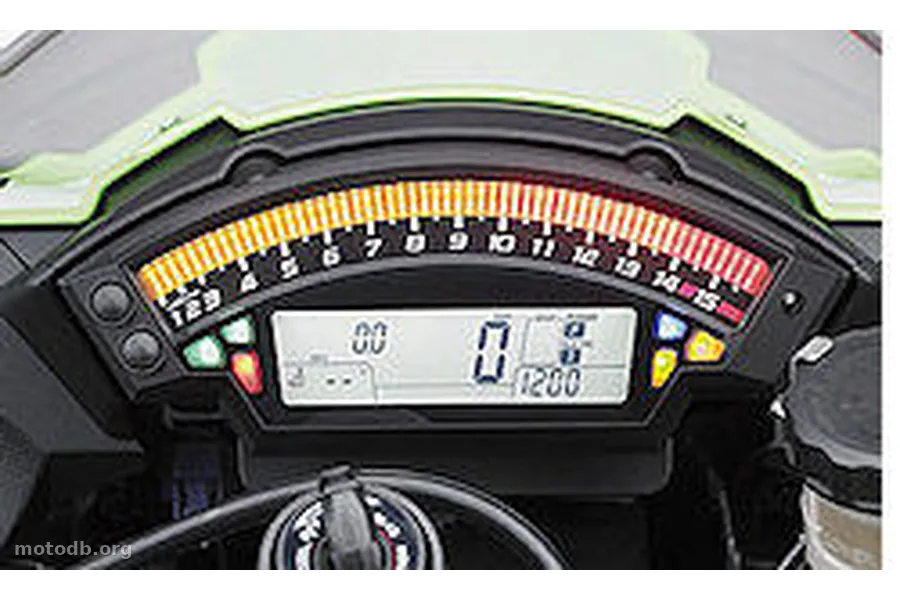
This machine, however, is not without its flaws. Its announced weight of 206 kg, although contained, is felt when stopped. The instrumentation, with its bar graph, divides purists. And above all, it is necessary to approach the subject with lucidity: this generation was the subject of a recall for potentially fragile gearbox gears. An essential point of vigilance for any used buyer, who should also consult the reviews of the Kawasaki ZX-10R 1000 from 2005 or check the power of the Kawasaki ZX-10R 1000 from 2008 to truly grasp the evolution of the lineage.
Ultimately, this 2016 ZX-10R is aimed at the demanding track rider or the tech-savvy road rider who does not compromise on raw feel. It's not the most powerful on paper, but it's probably one of the smartest and most accomplished of its generation. It doesn't shout its performance at you; it whispers it in your ear through its handlebars. It's a precision weapon, forged in competition, that requires a rider who is attentive to reveal all its measured madness.
Standard equipment
- Assistance au freinage : Standard sport ABS
Practical info
- La moto est accessible aux permis : A
Reviews & comments
No reviews yet. Be the first to share your opinion!