Key performance
Technical specifications
Engine
- Displacement
- 998 cc
- Power
- 200.0 ch @ 13000 tr/min (147.1 kW)
- Torque
- 114.7 Nm @ 11500 tr/min
- Engine type
- 4 cylindres en ligne, 4 temps
- Cooling
- liquide
- Compression ratio
- 13 : 1
- Bore × stroke
- 76 x 55 mm
- Valves/cylinder
- 4
- Camshafts
- 2 ACT
- Fuel system
- Injection Ø 47 mm
Chassis
- Frame
- double poutre périmétrique en alu
- Gearbox
- boîte à 6 rapports
- Final drive
- Chaîne
- Front suspension
- Fourche téléhydraulique inversée BPF Ø 43 mm, déb : 120 mm
- Rear suspension
- Mono-amortisseur, déb : 125 mm
Brakes
- Front brakes
- Freinage 2 disques Ø 310 mm, fixation radiale, étrier 4 pistons
- Rear brakes
- Freinage 1 disque Ø 220 mm, étrier simple piston
- Front tyre
- 120/70-17
- Rear tyre
- 190/55-17
Dimensions
- Seat height
- 813.00 mm
- Fuel capacity
- 17.00 L
- Weight
- 198.00 kg
- New price
- 15 999 €
Overview
Remember 2011. The hypersportive world was in a cold war, with the BMW S 1000 RR having just overturned the rules with nearly 200 horsepower announced. Kawasaki, then a little behind, could not settle for a simple evolution. A revolution was needed, a machine capable of regaining the crown on the track and in the catalogs. The ZX-10R of this generation is not a simple update, it is a declaration of war. Its objective was clear: to dominate the WSBK category and to offer private riders a formidable competition base. To this end, the engineers at Akashi scrapped the old platform and rebuilt almost everything, with an obsession: pure power and mass centralization.
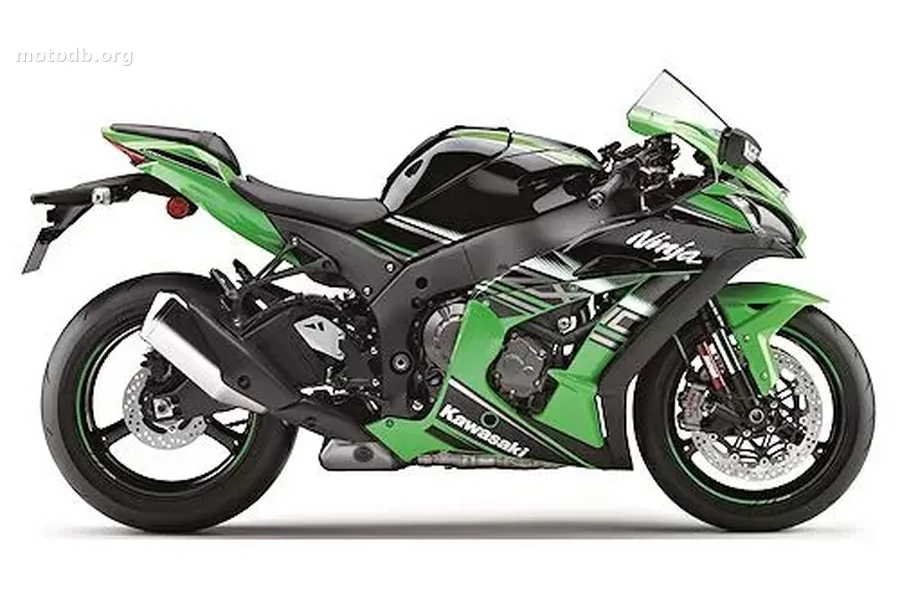
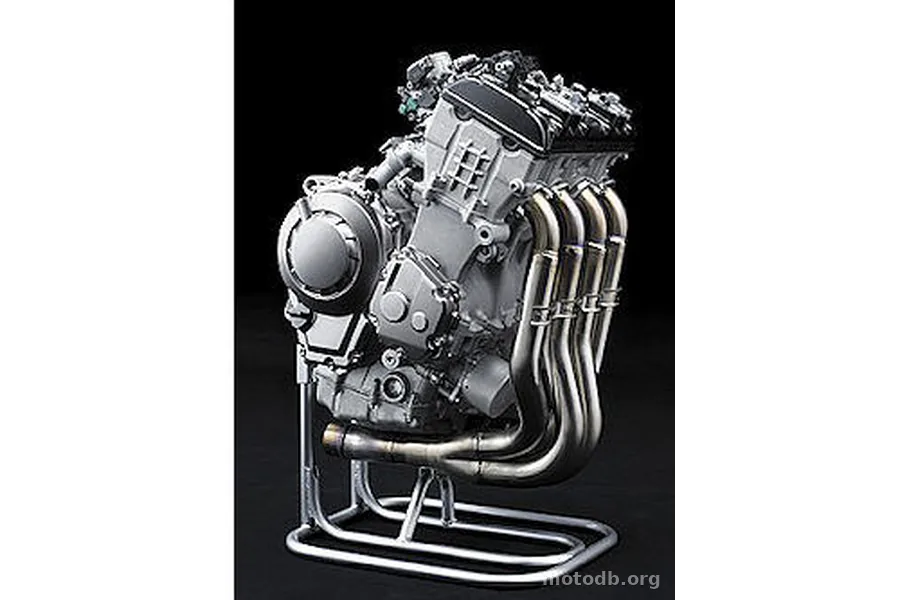
The result is an engine that, in my opinion, remains one of the most explosive in the brand's history. The figures are staggering: 200 horsepower at 13,000 rpm, with 114.7 Nm of torque. But these figures do not tell the whole story. The real magic happens with the RAM Air system, which propels the effective power beyond 210 horsepower when the motorcycle is moving. It's a rocket. Compared to its contemporaries, it displays sonic aggression and throttle response that can be intimidating. We often talk about the power of the Kawasaki ZX-10R 1000 from 2008, but this 2011-2012 generation clearly raised the bar, becoming the raw benchmark for racers seeking absolute performance.
This mechanical madness required a frame capable of containing it. The chassis is completely new, with a perimeter aluminum frame reduced to only seven elements to gain rigidity and lightness. The most visible innovation is the rear shock absorber positioned horizontally above the swingarm, a solution inspired by the Z1000 that favors mass centralization. The 43 mm inverted BPF fork offers remarkable control, especially in rapid compression. The wet weight of 198 kg was, at the time, a significant argument. Kawasaki shaved off every gram, from the battery to the rear wheel, to achieve this one-kilo-per-horsepower ratio, an obsession that makes the motorcycle exceptionally lively.
The electronics also mark a significant step forward. S-KTRC (Sport Kawasaki Traction Control) is an intelligent system that analyzes traction every 5 milliseconds, capable of distinguishing a controlled wheelie from a sudden loss of traction. KIBS ABS is specifically designed for sporty braking. For a 2012 model, this array was very advanced and undoubtedly influenced opinions on the Kawasaki ZX-10R 1000 from 2005, often considered more "analog" and raw.
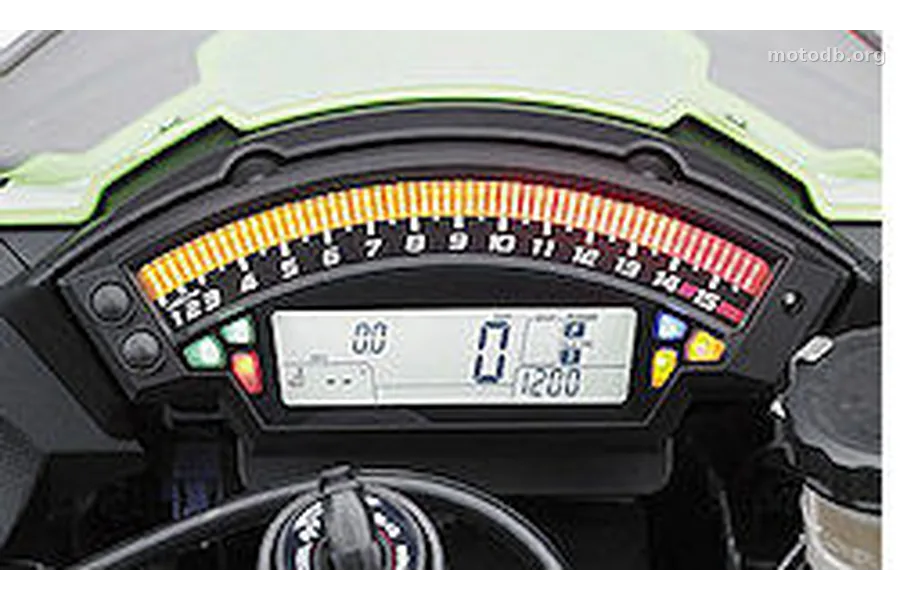
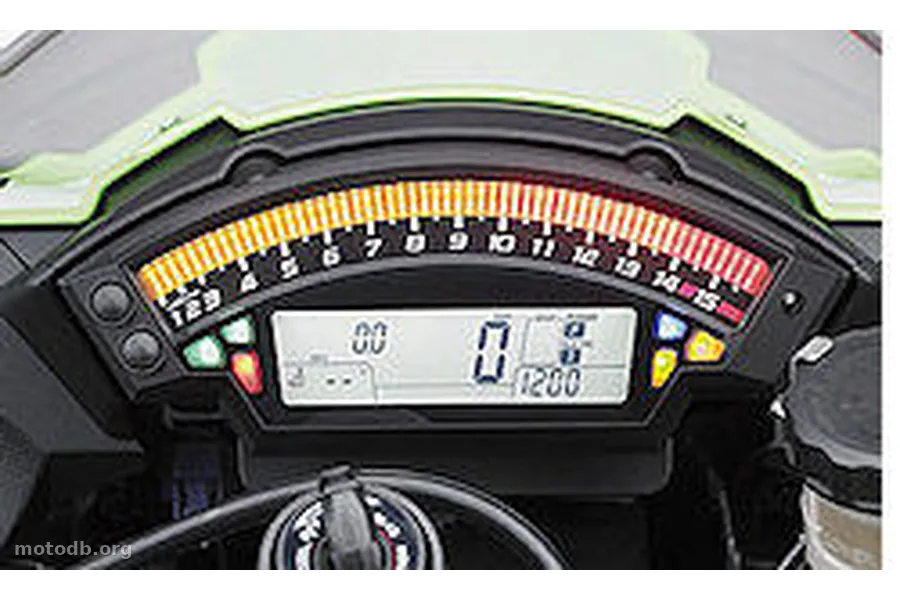
On the saddle, the position is committed, with a 813 mm seat height that puts the rider in a state of permanent alert. The 17-liter fuel tank is an acceptable compromise for track sessions. The digital dashboard, with its "Race" mode that replaces speed with the gear engaged, is designed for performance. Everything here is geared towards the track. It is a machine that requires experience; a beginner would be overwhelmed by its liveliness and power delivered high in the rev range.
Its price at the time, around €15,999, positioned the motorcycle in the high-end of the hypersportive segment. Today, for an enthusiast seeking a competition base or a historic sportbike, the price issue remains crucial. We often wonder what the price of a Kawasaki ZX-10R 1000 from 2016 is in France, or what the price of a Kawasaki ZX-10R 1000 from 2018 is, but this 2011-2012 generation often represents an interesting entry point for a motorcycle that marked its time.
In conclusion, this ZX-10R is not a compromise motorcycle. It is roaring, technical, and demanding. It was designed to put Kawasaki at the top of WSBK, and it fulfilled that role with terrifying effectiveness. For the modern rider, it represents a raw experience, less polished than some current competitors, but with an authenticity and a characteristic strength that is sometimes lacking in overly assisted machines. It is the definition of an uncomplexed hypersportive, a performance tool before it is a leisure object.
Practical info
- La moto est accessible aux permis : A
Reviews & comments
No reviews yet. Be the first to share your opinion!