Key performance
Technical specifications
Engine
- Displacement
- 998 cc
- Power
- 188.0 ch @ 12500 tr/min (138.3 kW)
- Torque
- 107.9 Nm @ 8700 tr/min
- Engine type
- 4 cylindres en ligne, 4 temps
- Cooling
- liquide
- Compression ratio
- 12.9 : 1
- Valves/cylinder
- 4
- Camshafts
- 2 ACT
- Fuel system
- Injection
Chassis
- Frame
- Epine dorsale double poutre alu
- Gearbox
- boîte à 6 rapports
- Final drive
- Chaîne
- Front suspension
- Fourche téléhydraulique inversée Ø 43 mm, déb : 120 mm
- Rear suspension
- Suspension AR monoamortisseur, déb : 125 mm
Brakes
- Front brakes
- Freinage 2 disques Ø 310 mm, fixation radiale, étrier 4 pistons
- Rear brakes
- Freinage 1 disque Ø 220 mm, étrier simple piston
- Front tyre
- 120/70-17
- Rear tyre
- 190/55-17
Dimensions
- Seat height
- 830.00 mm
- Fuel capacity
- 17.00 L
- New price
- 13 499 €
Overview
Do you remember that feeling, around 2010, when hypersportives seemed to reach a peak of madness? The race for brute power took a pause, and Kawasaki, with its ZX-10R, made an intelligent decision: rather than inflating the numbers, they refined the beast. With already 188 horsepower from the inline four-cylinder engine, the question was no longer how much, but how that power was delivered. Kawasaki's response was a clever balance between aggression and control.
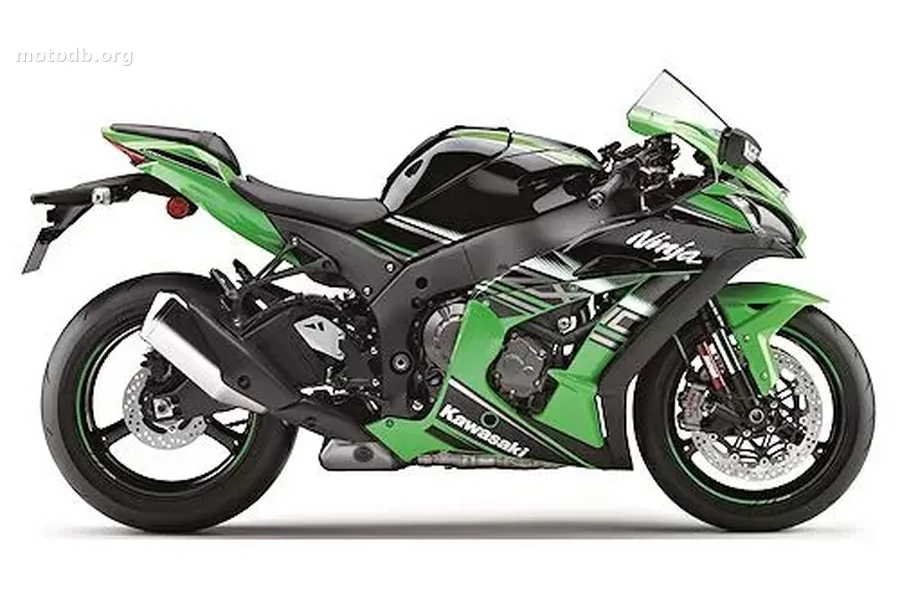
The heart of the machine, this rough and incredibly responsive engine, doesn't need embellishment. Its 107.9 Nm of torque arrives with surgical precision, making each acceleration an event. The real progress for that year is hidden in the details. The six-speed gearbox was reworked for smoother and crisper shifts, a crucial modification when talking about a machine as sharp as this. The chassis, already renowned for its balance between rigidity and agility, received the reinforcement of an Öhlins steering damper, an addition that stabilizes the front end during violent braking or in tight corners, recalling its WSBK-forged competition DNA.
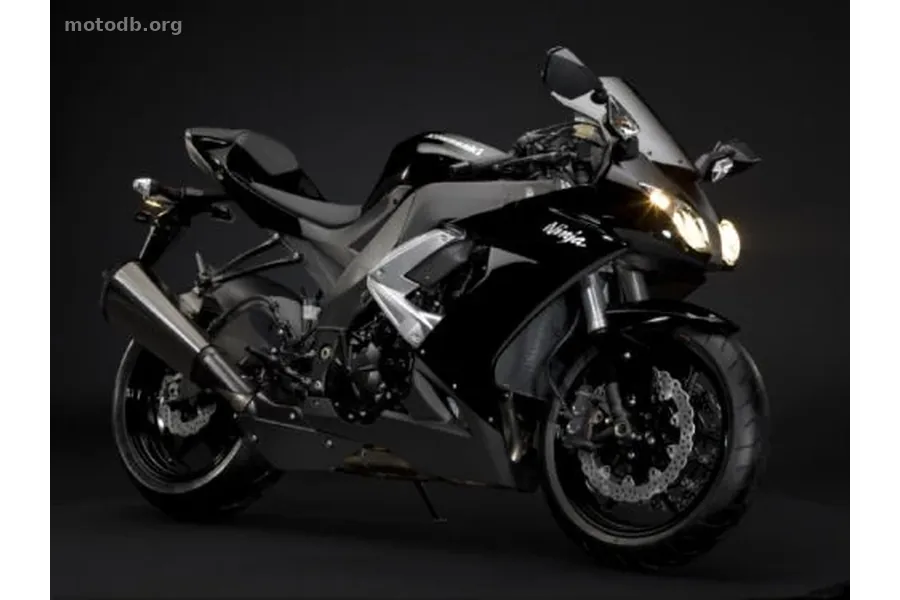
Visually, the update is subtle. It takes an experienced eye to spot the refined fairing and the more streamlined muffler. The Ninja family is recognizable, with a headlight reminiscent of its little sister, the ZX-6R. It's a stylistic evolution, not a revolution. We would have liked them to fix certain details, like these integrated turn signals in the mirrors that weigh down the whole, but the intention is clear: priority to aerodynamic efficiency and line consistency.
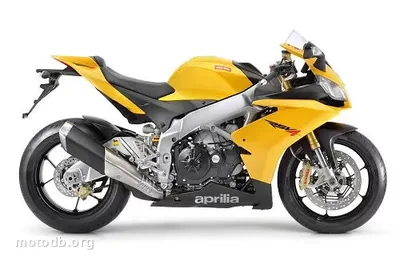
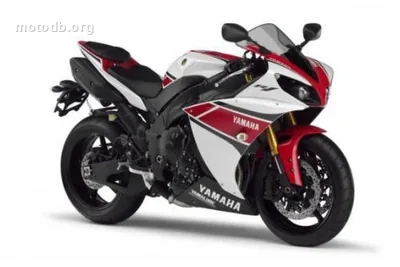
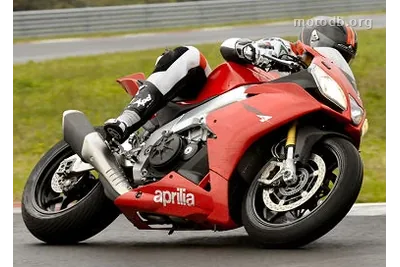
Facing the competition of the time, such as the Yamaha R1 or the exotic Aprilia RSV4, Kawasaki plays the card of relative accessibility. Its price, around €13,500 at the time, positioned it as a seriously competitive option. Today, when you search for the price of a Kawasaki ZX-10R 1000 from 2016 or 2018, it’s often this solid 2010 base that you find in the background, a reliable and extreme platform. For experienced track riders or demanding road riders seeking a race feel, it remains a reference. It’s not the easiest bike to tame; it demands respect and commitment, but it repays a hundredfold every drop of concentration invested. It proves that at a certain level, perfection lies less in adding than in adjusting.
Practical info
- La moto est accessible aux permis : A
Reviews & comments
No reviews yet. Be the first to share your opinion!