Key performance
Technical specifications
Engine
- Displacement
- 998 cc
- Power
- 200.0 ch @ 13000 tr/min (147.1 kW)
- Torque
- 114.7 Nm @ 11500 tr/min
- Engine type
- 4 cylindres en ligne, 4 temps
- Cooling
- liquide
- Compression ratio
- 13 : 1
- Bore × stroke
- 76 x 55 mm
- Valves/cylinder
- 4
- Camshafts
- 2 ACT
- Fuel system
- Injection Ø 47 mm
Chassis
- Frame
- double poutre périmétrique en alu
- Gearbox
- boîte à 6 rapports
- Final drive
- Chaîne
- Front suspension
- Fourche téléhydraulique inversée BPF Ø 43 mm, déb : 120 mm
- Rear suspension
- Mono-amortisseur, déb : 125 mm
Brakes
- Front brakes
- Freinage 2 disques Ø 310 mm, fixation radiale, étrier 4 pistons
- Rear brakes
- Freinage 1 disque Ø 220 mm, étrier simple piston
- Front tyre
- 120/70-17
- Rear tyre
- 190/55-17
Dimensions
- Seat height
- 813.00 mm
- Fuel capacity
- 17.00 L
- Weight
- 198.00 kg
- New price
- 16 300 €
Overview
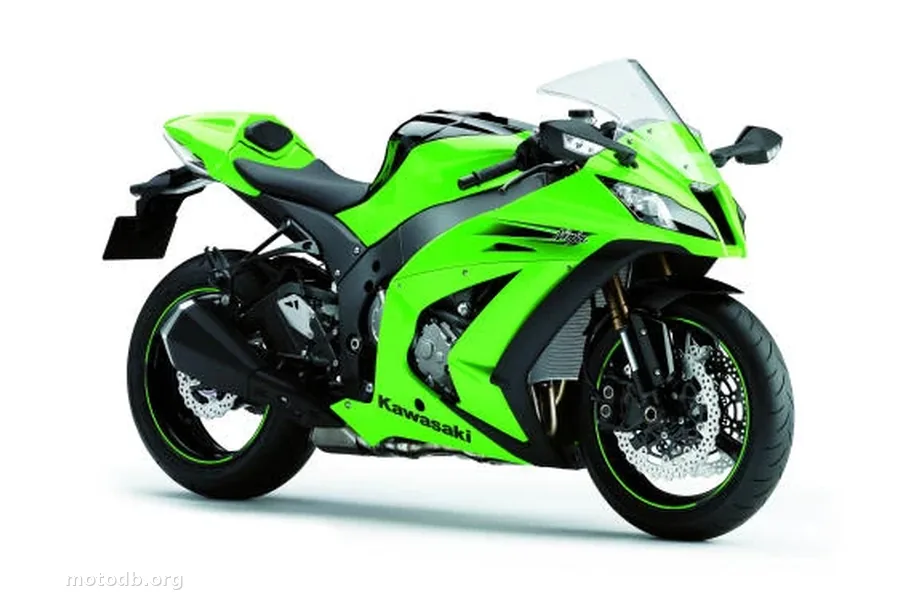
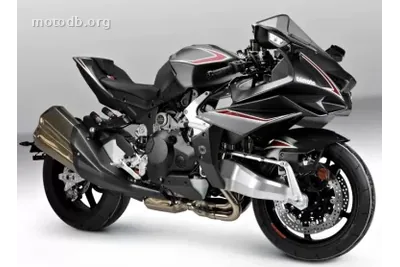
Is it still possible to dominate the hypersportive class with an engine that hasn't seen a revolution since 2011? In 2015, the Kawasaki ZX-10R faced competition that had seriously upped its game. The Yamaha R1 returned with a V4 on a crusade, the Aprilia RSV4 RR refined its Italian character, and the BMW S1000RR continued to perfect its formula. Yet, the green Ninja didn't just resist. It still reigned supreme on endurance circuits, and its successes in WSBK, where it allowed Tom Sykes to claim a world title, speak for themselves. This machine is a benchmark, a tool for victory that has forged its legend in the sweat of the 24 Hours of Le Mans and the pressure of Superpole.
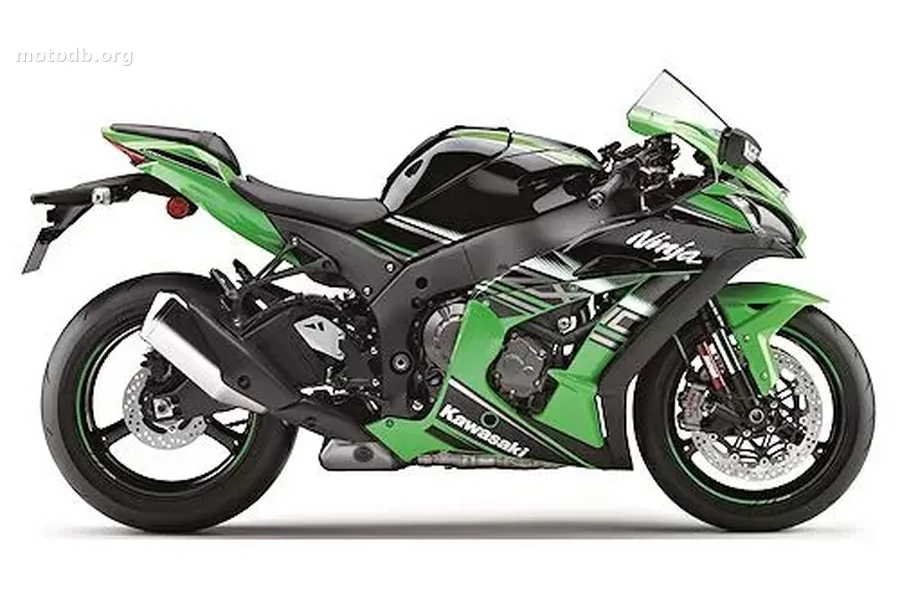
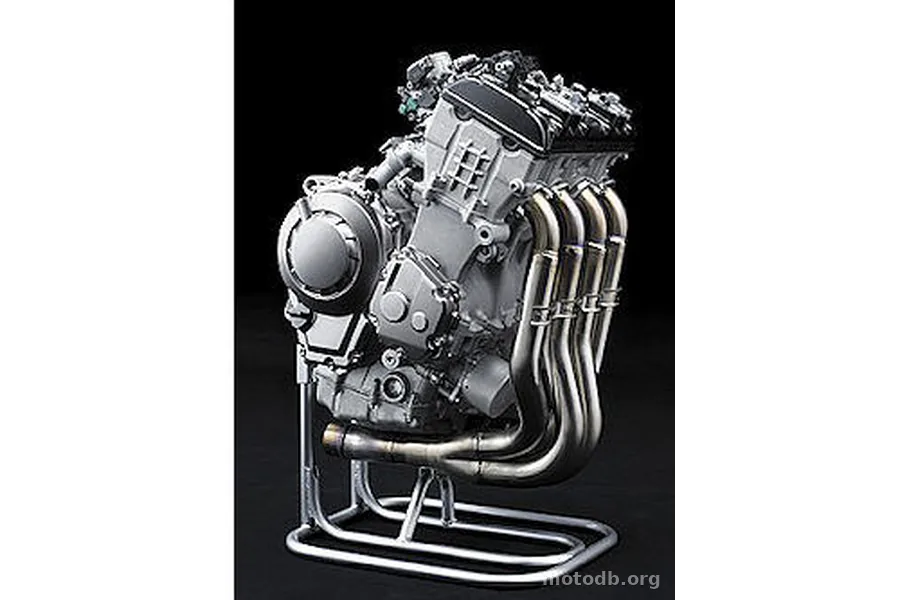
Its evolution for this year seems modest, focused on a single detail: the Öhlins steering damper. But this small appendage becomes electronic, capable of adjusting its firmness based on speed, acceleration, and braking. The rider no longer has to think about it. At low speed, the steering is freed; at high speed, it stiffens for engagement. It's a sophistication that responds to the complexity of other hypers, like the Ducati 1299 or the BMW, without revolutionizing the character of the machine. The true strength of this ZX-10R remains its engine, an inline four-cylinder of 998 cc delivering 200 horsepower at 13,000 rpm, with a torque of 114.7 Nm pushed towards high revs. With the RAM Air system activated, we even talk about 210 hp. It's a raw, volcanic power that demands a firm hand and respect for the torque curve, which is very high. For the price of a 2016 Kawasaki ZX-10R 1000 in France, around €16,300, you get this fury, but also a complete electronic package.
Because Kawasaki has intelligently integrated fail-safes. The S-KTRC, a sporty traction control system, analyzes wheel speed, engine RPM, throttle opening, and intervenes on the ignition every 5 milliseconds. It can even differentiate a controlled wheelie from a sudden lift. The ABS, called KIBS, is an intelligent system that optimizes braking on the front and rear, almost anticipating the rider's actions. These aids are essential to channel the 200 horsepower, especially when the weight fully fueled reaches only 198 kg. This figure places the Ninja among the lightest in its class, with a power-to-weight ratio that makes track riders dream. The diet was radical: a lighter battery, lightened wheels, an optimized fuel pump, and even the ABS is a slimmer version. Every gram has been tracked.
The perimeter aluminum frame, consisting of only seven elements, and the three-piece swingarm aim for optimal rigidity and precise feel. The horizontal mounting of the single shock absorber above the swingarm, a signature from the Z1000, centralizes the masses and offers remarkable progressiveness. The 43 mm inverted BPF fork, with its large piston, reduces fluid pressure without sacrificing damping, giving impeccable front-end control. The front-leaning geometry makes handling incisive, almost surgical. The brakes, with their radial four-piston calipers and 310 mm discs, are of formidable effectiveness, even if some purists dream of aviation hoses and monoblock calipers.
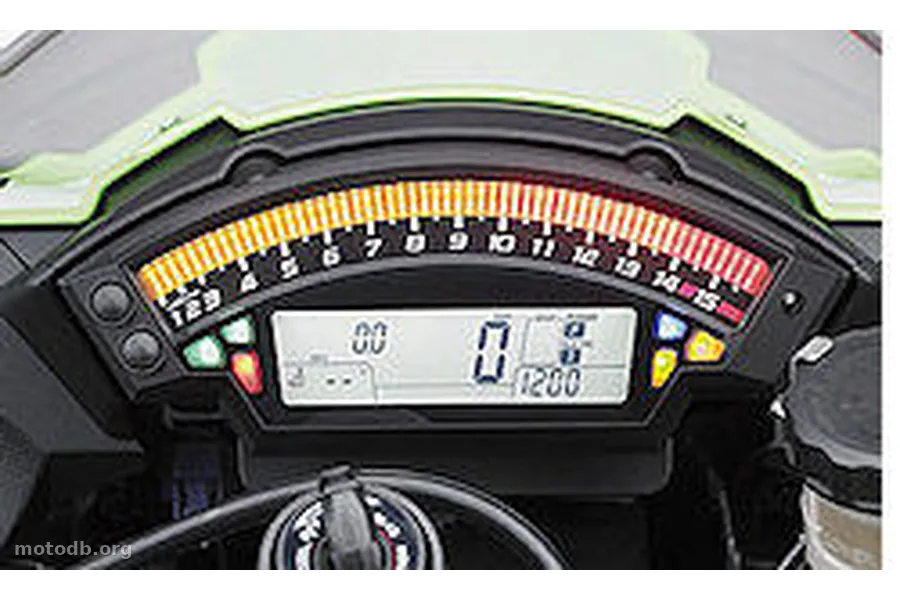
What is the audience for this machine? It's not a hypersportive for beginners. It demands confidence, experience, and an appetite for extreme RPMs. It speaks to the road-track rider who seeks the sharpest tool for the track, but also to the enthusiast who wants the quintessence of Kawasaki technology, the kind that marked the power of the Kawasaki ZX-10R 1000 of 2008 and continues to write glowing reviews about the Kawasaki ZX-10R 1000 of 2005, models that paved the way. In 2015, it may not be the most innovative on paper, but it remains a weapon, ferocious, accomplished, and terribly effective. It doesn't shake up the competition with technological breakthroughs, it crushes it with a coherent, violent package, and reliability forged in competition. It's the Japanese sportbike with the most blood in its veins.
Standard equipment
- Assistance au freinage : ABS sport and optional
Practical info
- La moto est accessible aux permis : A
Reviews & comments
No reviews yet. Be the first to share your opinion!