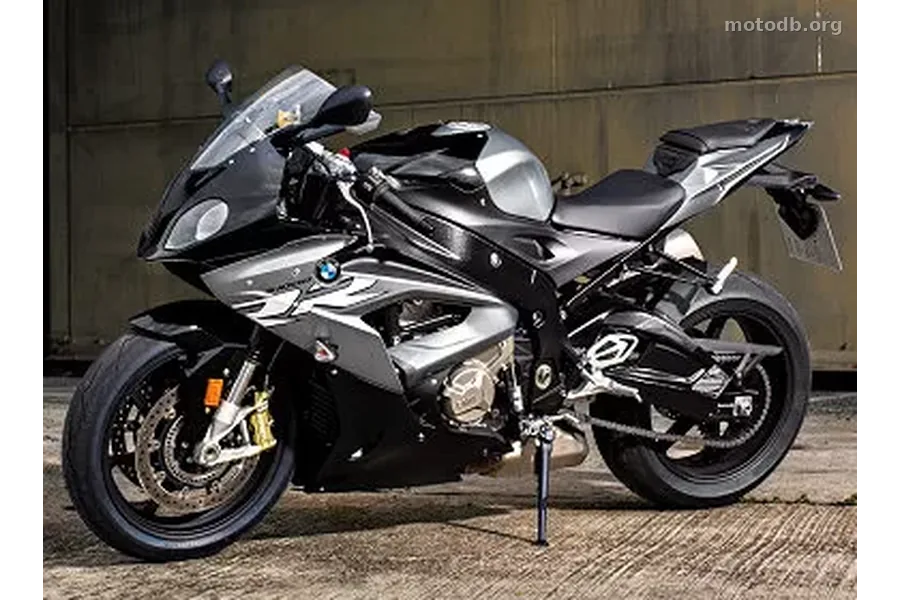
Key performance
Technical specifications
Engine
- Displacement
- 999 cc
- Power
- 199.0 ch @ 13500 tr/min (145.3 kW)
- Torque
- 113.0 Nm @ 10500 tr/min
- Engine type
- In-line four, four-stroke
- Cooling
- Oil & air
- Compression ratio
- 13.0:1
- Bore × stroke
- 80.0 x 49.7 mm (3.1 x 2.0 inches)
- Valves/cylinder
- 4
- Camshafts
- 2 ACT
- Fuel system
- Injection. Electronic injection, variable intake pipe
- Valve timing
- Double Overhead Cams/Twin Cam (DOHC)
- Lubrication
- Wet sump
- Starter
- Electric
Chassis
- Frame
- Bridge-type aluminium frame with load-bearing engine
- Gearbox
- 6-speed
- Final drive
- Chain (final drive)
- Clutch
- Multiplate clutch in oil bath, anti-hopping clutch, mechanically controlled
- Front suspension
- Upside-down telescopic fork 46 mm, compression and rebound stage adjustable,
- Rear suspension
- Aluminium double-sided swing-arm, central spring strut, adjustable rebound and compression-stage damping
- Front wheel travel
- 120 mm (4.7 inches)
- Rear wheel travel
- 120 mm (4.7 inches)
Brakes
- Front brakes
- Double disc. ABS. Floating discs. Four-piston calipers.
- Rear brakes
- Single disc. ABS. Floating disc. Single-piston caliper.
- Front tyre
- 120/70-ZR17
- Front tyre pressure
- 2.50 bar
- Rear tyre
- 190/55-ZR17
- Rear tyre pressure
- 2.90 bar
Dimensions
- Seat height
- 815.00 mm
- Wheelbase
- 1438.00 mm
- Length
- 2050.00 mm
- Width
- 826.00 mm
- Height
- 1140.00 mm
- Fuel capacity
- 17.50 L
- Weight
- 208.00 kg
- Dry weight
- 179.50 kg
- New price
- 18 100 €
Overview
Imagine in 2009. BMW Motorrad releases a supersport seemingly out of nowhere, with an asymmetrical aluminum frame and an inline-four engine designed for World Superbike racing. Purists sneer. Then the S 1000 RR starts winning races, many races, and the sneering fades. Ten years later, the recipe hasn’t fundamentally changed, and that’s precisely where the strength of this machine lies.
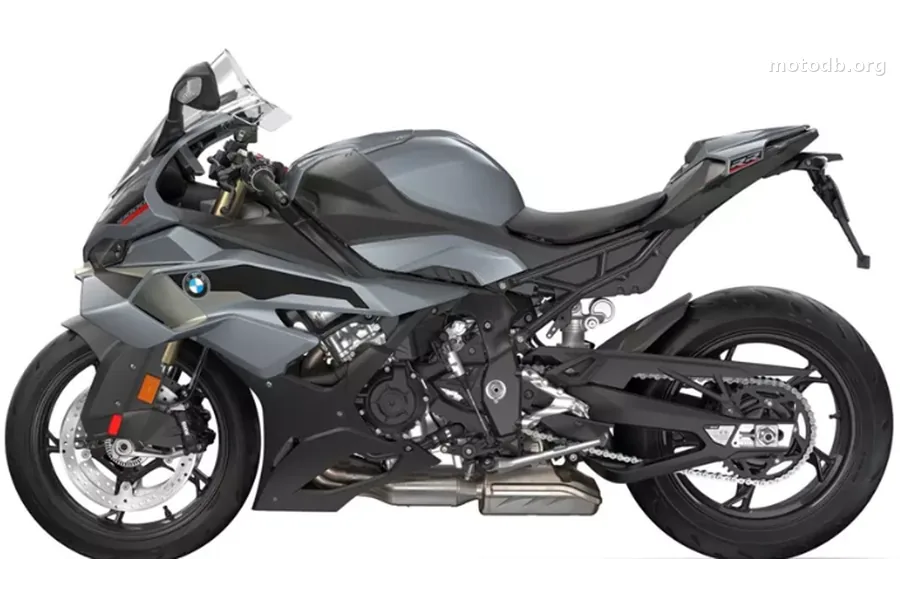
The 2018 BMW S 1000 RR focuses on continuity rather than revolution. Meeting Euro4 emissions standards, with a chassis reworked during the previous cycle and enhanced electronics: Munich refines an already accomplished tool rather than starting from scratch. The 999 cc inline-four engine revs to 13,500 rpm to release 199 horsepower, the same as the Yamaha R1 or the Aprilia RSV4, but with 113 Nm of torque available from 10,500 rpm that provides a feeling of fullness during acceleration that some competitors, more focused on their power delivery, don’t provide as easily. How many horsepower does the BMW S 1000 RR have exactly? Officially 199, measured at the crankshaft, which remains one of the highest figures in the category without any communication gimmicks.
What strikes you in the 2018 BMW S 1000 RR test is the maturity of the entire electronic package. Three riding modes are standard: Road, Rain, and Race, traction control with an angle sensor now standard and adjustable in seven levels, and ABS Pro that adapts its intervention according to the lean angle: all of this used to be an optional extra on previous generations. The Kawasaki ZX-10R SE or the Ducati Panigale V4, released shortly after, offer comparable equipment, but BMW had largely anticipated this trend. Launch Control and Pit Lane Limiter complete the picture for track use, and the bidirectional quickshifter remains available as an option, as is the semi-active DDC damping. The list of available accessories is long, too long, some will say: it can drive the base BMW S 1000 RR price of €18,100 towards peaks that make you think.
Regarding the chassis, the aluminum frame with engine as a stressed member encloses a 46 mm adjustable compression and rebound inverted fork, paired with a similarly adjustable rear monoshock. The wet weight reaches 208 kg, which remains reasonable in the category, and the seat height at 815 mm will suit most builds. The motorcycle leaves the factory configured as a single-seater with a seat cowl fitted, which clearly indicates who it’s aimed at. Not novices. Not tourists. Riders who know what they’re doing, or who want to learn quickly. An optional dedicated pack exists for the passenger, a nice detail.
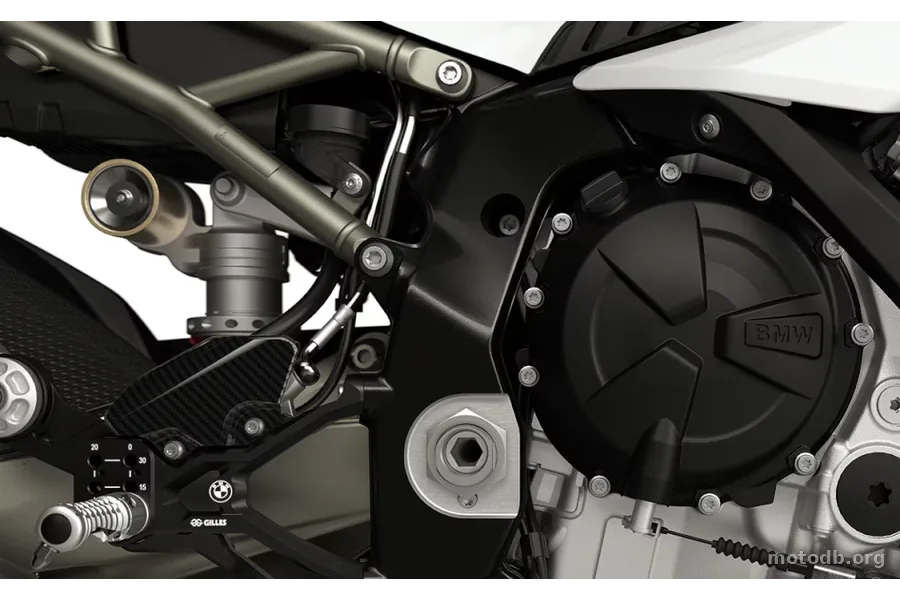
The question posed by this 2018 generation is ultimately that of a platform’s longevity. Faced with the Panigale V4 arriving the same year with a radically new architecture, or faced with what the BMW S 1000 RR 2020, 2021, and then the 2023 and 2024 versions with their progressive improvements will be, this model year represents a bit of an end of a cycle. A brilliant cycle, certainly. The engine of this BMW S 1000 RR remains a reference for availability and progressivity, which BMW S 1000 RR forums unanimously confirm for years of use. The announced top speed of 300 km/h is not just marketing: it’s a reality that the 17.5-liter tank will let you reach without too much range anxiety.
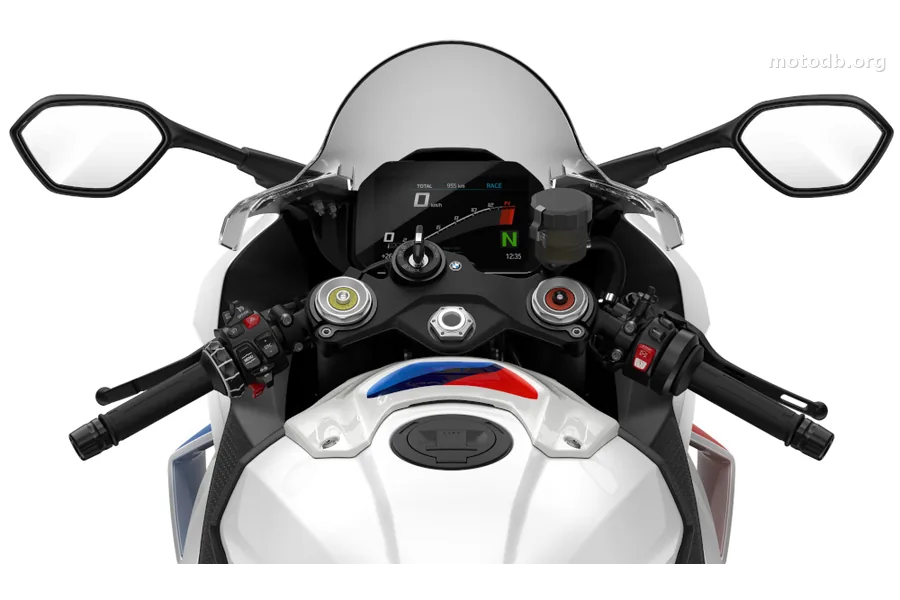
For those looking for a serious used hypersport, the used BMW S 1000 RR of this generation offers an equipment-price ratio that is difficult to beat. For those comparing generations, simply remember that Munich laid solid foundations here, on which all subsequent evolutions continued to build.
Standard equipment
- Assistance au freinage : Carrera ABS
Practical info
- La moto est accessible aux permis : A
Reviews & comments
No reviews yet. Be the first to share your opinion!