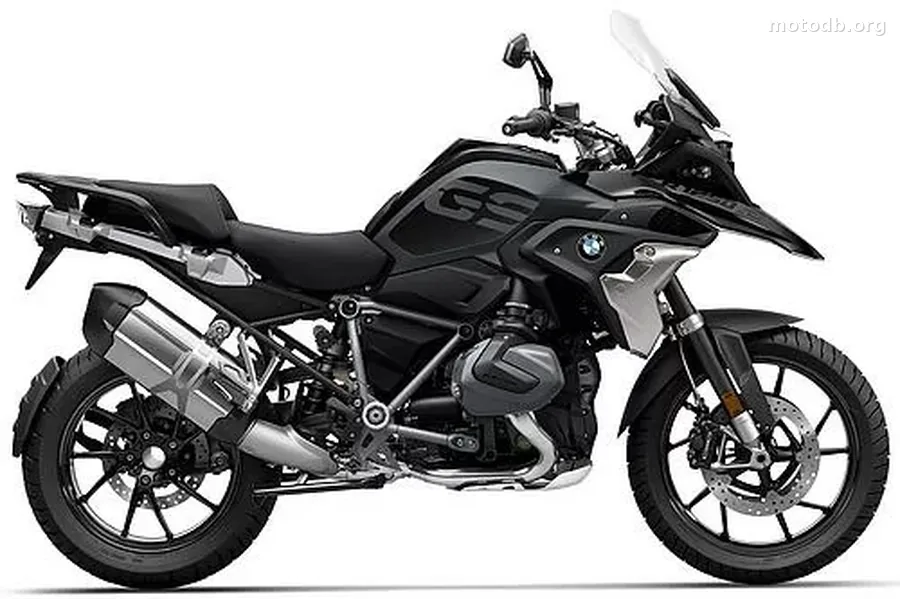
Key performance
Technical specifications
Engine
- Displacement
- 1254 cc
- Power
- 136.0 ch @ 7750 tr/min (99.3 kW)
- Torque
- 143.0 Nm @ 6500 tr/min
- Engine type
- Two cylinder boxer, four-stroke
- Cooling
- Liquid
- Compression ratio
- 12.5:1
- Bore × stroke
- 102.5 x 76.0 mm (4.0 x 3.0 inches)
- Valves/cylinder
- 4
- Camshafts
- 2 ACT
- Fuel system
- Injection. Electronic intake manifold injection
- Valve timing
- Double Overhead Cams/Twin Cam (DOHC)
- Lubrication
- Dry sump
- Starter
- Electric
Chassis
- Frame
- Two-section frame, front- and bolted on rear frame, load-bearing engine
- Gearbox
- 6-speed
- Final drive
- Shaft drive (cardan) (final drive)
- Clutch
- Oil lubricated clutch, hydraulically operated
- Front suspension
- BMW Motorrad Telelever; stanchion diameter 37 mm, central spring strut
- Rear suspension
- Cast aluminium single-sided swing arm with BMW Motorrad Paralever; WAD strut (travel-related damping), spring pre-load hydraulically adjustable (continuously variable) at handwheel, rebound damping adjustable at handwheel
- Front wheel travel
- 190 mm (7.5 inches)
- Rear wheel travel
- 200 mm (7.9 inches)
Brakes
- Front brakes
- Double disc. ABS. Floating discs. Four-piston calipers.
- Rear brakes
- Single disc. ABS. Floating disc. Two-piston calipers.
- Front tyre
- 120/70-R19
- Front tyre pressure
- 2.50 bar
- Rear tyre
- 170/60-R17
- Rear tyre pressure
- 2.90 bar
Dimensions
- Seat height
- 850.00 mm
- Wheelbase
- 1525.00 mm
- Ground clearance
- 185.00 mm
- Length
- 2207.00 mm
- Width
- 953.00 mm
- Height
- 1430.00 mm
- Fuel capacity
- 20.00 L
- Weight
- 249.00 kg
- New price
- 18 100 €
Overview
Forty years that the Bavarian boxer has kept its promise. Forty years that the GS has redefined the contours of the trail bike with each generation, and the 2021 version does not deviate from this logic of methodical evolution. With the BMW R 1250 GS, Munich is not trying to shake things up; it's more about refining what already worked very well, while meeting new Euro5 homologation requirements. The result is a machine that, at a glance, looks identical to its predecessor, but hides a deeply reworked engine beneath its revised cylinder heads.
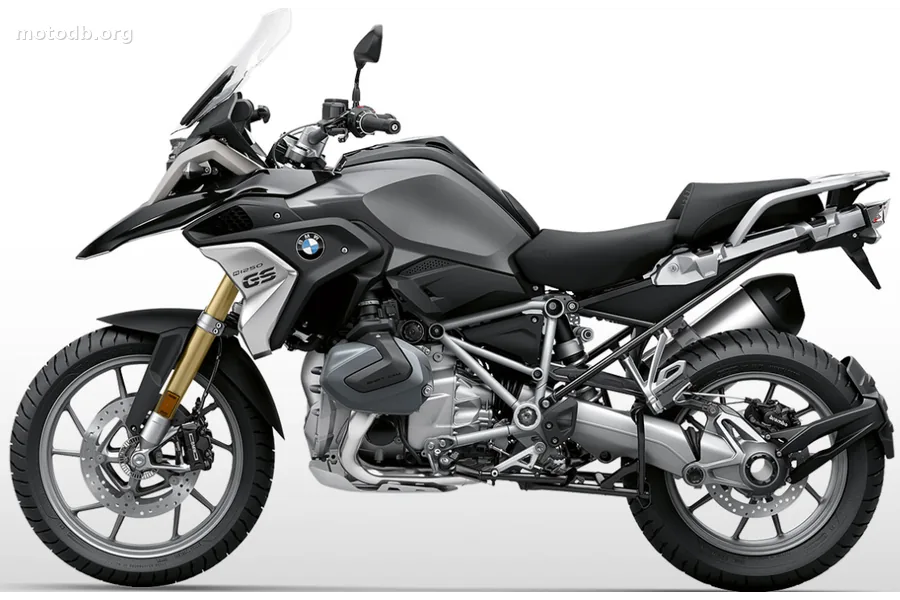
The heart of the matter is this 1254 cm3 boxer engine equipped with ShiftCam. The principle is elegant in its mechanics: two camshaft profiles per valve, switched electromechanically according to engine speed, allow optimization of filling at both low and high speeds. This system explains what the numbers alone cannot convey. The 136 horsepower at 7750 rpm is one thing, but the 143 Nm of torque available from 6500 rpm radically changes the character of the machine. For a flat twin of this displacement, this density of torque transforms every highway acceleration or every corner entry into an exercise of disconcerting ease. Faced with a 1100 Africa Twin or a 1290 Super Adventure KTM, the BMW responds with mechanical sophistication where competitors rely on volume. The BMW R 1250 GS 2021 Triple Black perfectly illustrates this duality between discreet technology and a strong visual presence.
The chassis retains the proven architecture: a steel, two-piece frame with the engine as a stressed member, Telelever at the front with a 37 mm fork tube, and Paralever at the rear with its hydraulic rebound damping shock absorber. The whole thing is well-established, precise, and predictable. The 19-inch front wheel shod with a 120/70 tire and the 17-inch rear wheel with a 170/60 tire create a balance between trail efficiency and road comfort that few competitors approach. The 249 kg all full weight is a reality that is felt when stationary, but this mass disappears as soon as the engine regains its power beyond the idle speed. The seat height of 850 mm, adjustable on certain versions including the low seat, remains a discriminating factor for shorter riders who legitimately ask questions about this point, as evidenced by the regular interest in forums around the low-seat BMW R 1250 GS reviews. Those looking for a used BMW R 1250 GS on sales platforms know that this criterion weighs heavily in the decision.
In terms of equipment, Munich plays on two fronts. As standard, it now includes traction control DTC, cornering ABS, hill start assist, and a 6.5-inch TFT screen with smartphone connectivity. It’s solid. But as soon as you venture into the options brochure, the bill climbs at a disconcerting rate. The Enduro pack, semi-active ESA suspension, additional Dynamic and Enduro Pro riding modes, heated grips that other manufacturers offer as standard for a long time: each option line brings the starting price of €18,100 closer to a total that can frankly be dizzying. The BMW R 1250 GS Adventure, with its enlarged tank and increased stroke suspension, pushes this logic even further for long-distance travelers. For those looking to rationalize the budget, the used BMW R 1250 GS market offers credible alternatives, provided that the maintenance history is inspected carefully.
Who buys this motorcycle in 2021? The experienced long-distance rider who wants a complete tool, capable of swallowing 600 km of highway as well as traversing a forest track without complaint. The BMW R 1250 GS is not a motorcycle for beginners, despite the generosity of its electronic assists. It requires a minimum of practice to exploit its versatility and manage its size. Its announced consumption of 4.75 liters per 100 km is honest for the segment, and its 20-liter tank offers a theoretical range of nearly 420 km, which matters to those who prefer to ride rather than look for gas stations. Its maximum speed of 200 km/h is not its strong suit; what defines it is this ability to ride fast for a long time, comfortably, on any surface. It is precisely for this that the GS remains the benchmark, and that its competitors continue to look at it in their rearview mirror.
Standard equipment
- Assistance au freinage : ABS desactivado
- Poignées chauffantes
Practical info
- La moto est accessible aux permis : A
Indicators & positioning
Similar bikes
CVO Pan America
CVO Pan America 1250
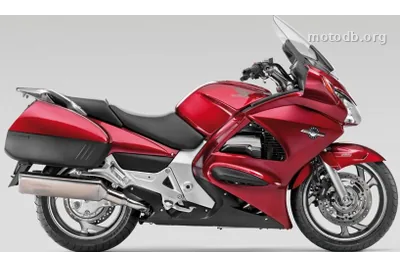
ST 1300 Pan European
Reviews & comments
No reviews yet. Be the first to share your opinion!