Key performance
Technical specifications
Engine
- Displacement
- 1261 cc
- Power
- 126.0 ch @ 8000 tr/min (92.7 kW)
- Torque
- 122.6 Nm @ 6500 tr/min
- Engine type
- 4 cylindres en L à 90°, 4 temps
- Cooling
- liquide
- Compression ratio
- 10.8:1
- Bore × stroke
- 78 x 66 mm
- Valves/cylinder
- 4
- Camshafts
- 2 ACT
- Fuel system
- Injection PGM-FI Ø 36 mm
Chassis
- Frame
- Type Diamond, double poutre aluminium
- Gearbox
- boîte à 5 rapports
- Final drive
- Cardan
- Front suspension
- Fourche telescopique Ø 45 mm à assistance pneumatique, déb : 120 mm
- Rear suspension
- Mono-amortisseur, déb : 123 mm
Brakes
- Front brakes
- Freinage 2 disques Ø 310 mm, étrier 3 pistons
- Rear brakes
- Freinage 1 disque Ø 316 mm, étrier 3 pistons
- Front tyre
- 120/70-18
- Front tyre pressure
- 2.90 bar
- Rear tyre
- 170/60-17
- Rear tyre pressure
- 2.90 bar
Dimensions
- Seat height
- 775.00 mm
- Fuel capacity
- 29.00 L
- Weight
- 324.00 kg
- Dry weight
- 281.00 kg
- New price
- 15 599 €
Overview
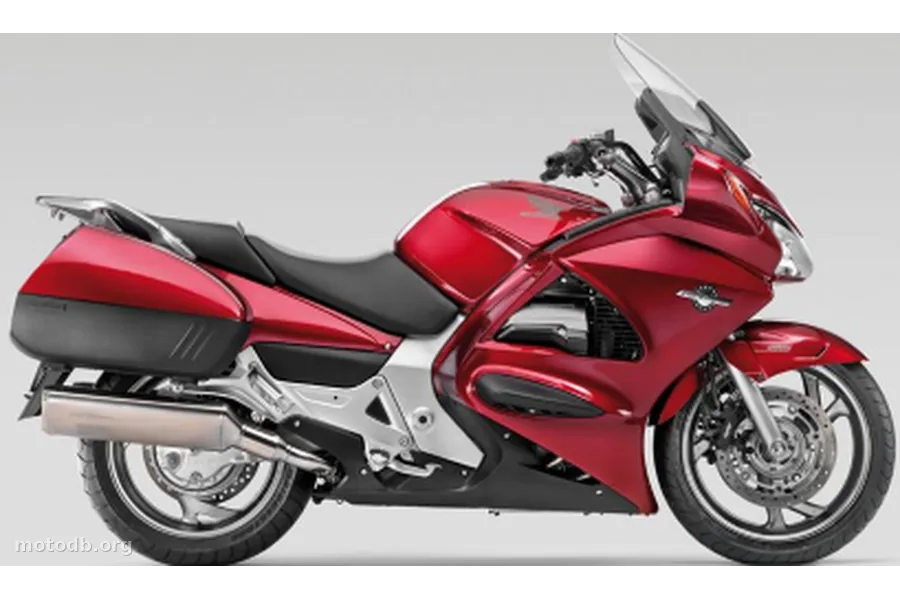
It's the end for the 1300 Pan-European. After a career of roughly fifteen years without significant change, the GT will fade away with a few final examples in 2017. Euro4 only allows it this last breath, and closes a long chapter. It is indeed time for the ST to evolve, and significantly. Within its segment, it is the oldest, its technology is dated, but its prestige is unaffected. The Pan is one of those vessels where time and kilometers only brush the hull. Because Pan-Euro owners are more captains than riders. Statistics demonstrate that these are motorcyclists whose average age and requirements invite them to leave the wooden planks of hypersports to settle onto machines whose degree of finish must be as high as the comfort. The price is a shock, its riding pleasure a delight. The ST is designed to run well, for a long time, in serenity but without appearing like a retiree’s motorcycle. The ST is positioned midway between the VFR and the Goldwing, and aims to offer no more nor less than the advantages of both machines. Has it provided the means to do so? The 1300 Pan has increased its maneuverability thanks to a reduction in the wheelbase but this poses a small problem: at high speed, the vessel lacks stability, the front searching somewhat; nothing dangerous but not very pleasant - a defect that the 1100 did not know. Certainly, the ST’s clientele is not keen to push it to its last km/h, but it leaves a slight feeling of frustration, a small taste of incompletion. But the 1300 redeems itself on the small roads where it demonstrates a much greater agility than its predecessor, almost equaling the rigorous behavior of an FJR. Several reasons for this: the frame is now made of an aluminum frame whose design is close to that of a sports model and much lighter; the engine (still a V4) is moved forward and participates in rigidity. The riding position has also evolved. The rider is closer to the steering column, the handlebars are wider and closer. As on BMWs, the seat height is adjustable. A very pleasant plus. Well protected by the bubble that can be adjusted precisely and comfortably, one savors the grand touring but one cannot help wanting to have a little fun when the road becomes playful. Reassured by the braking which is still as effective of the Pan, powerful and controllable (with combined ABS), one hurries to discover the engine, which has radically changed. Still as supple (it resumes at 1500 rpm on the last gear), it seems to have vitamins full of pistons. It leaves the old 1100 behind and demonstrates a vigor as useful as exhilarating. It drives the motorcycle via a shaft, as with the rest of the transmission, which calls for no criticism.
The design remains a matter of taste but concerning the ST, the Honda engineers designed it with a precise objective: to be beautiful (it is the case), and for a very long time, because the lady is designed to be produced for a decade. This is the life that the 1100 had and it has allowed the manufacturer to accumulate a crowd of information. The criticisms (good or bad) guided the designers who seem to have created an excellent model. Many details have been improved or redesigned, the list of options has lengthened, the behavior of the machine and the engine are much more efficient (except at high speed). All this with a concern for finish that remains faithful to Honda’s reputation for seriousness. Indeed, at the time of its appearance on the market, it had only one real competitor: the BMW R 1200 RT.
M.B (inspired by the article by C. Lacombe - Moto-journal n° 1 516 photos manufacturer)
Standard equipment
- Assistance au freinage : C-ABS
Practical info
- La moto est accessible aux permis : A
Indicators & positioning
Similar bikes
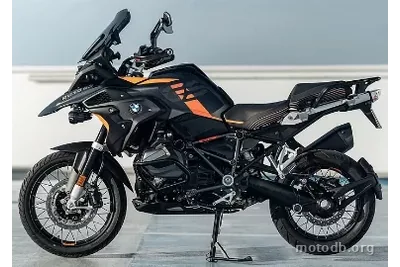
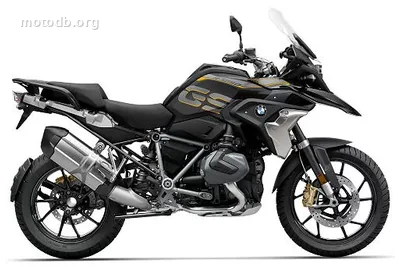
R 1250 GS Edition Spirit of GS
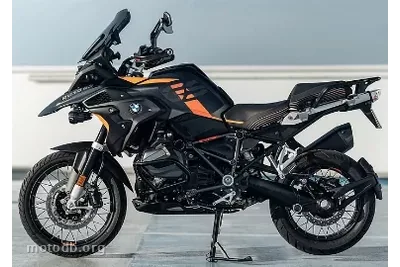
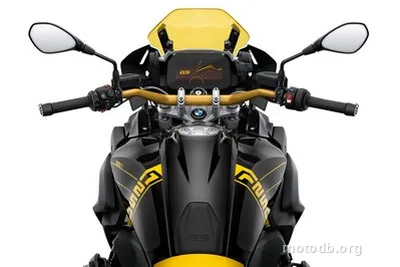
R 1250 GS Ultimate Edition
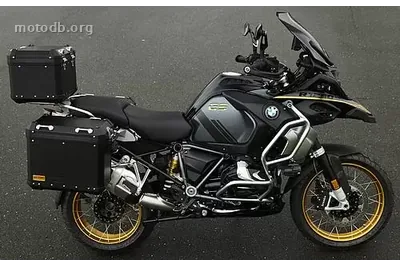
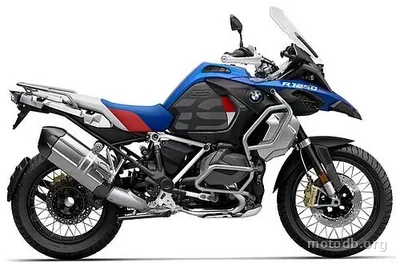
R 1250 GS Adventure Ultimate Edition
Reviews & comments
No reviews yet. Be the first to share your opinion!