Key performance
Technical specifications
Engine
- Displacement
- 1254 cc
- Power
- 136.0 ch @ 7750 tr/min (99.3 kW)
- Torque
- 143.0 Nm @ 6500 tr/min
- Engine type
- Two cylinder boxer, four-stroke
- Cooling
- Liquid
- Compression ratio
- 12.5:1
- Bore × stroke
- 102.0 x 76.0 mm (4.0 x 3.0 inches)
- Valves/cylinder
- 4
- Camshafts
- 2 ACT
- Fuel system
- Injection. Electronic intake pipe injection
- Valve timing
- Double Overhead Cams/Twin Cam (DOHC)
- Lubrication
- Dry sump
- Starter
- Electric
Chassis
- Frame
- Two-section frame, front- and bolted on rear frame, load-bearing engine
- Gearbox
- 6-speed
- Final drive
- Shaft drive (cardan) (final drive)
- Clutch
- Oil lubricated clutch, hydraulically operated
- Front suspension
- BMW Motorrad Telelever
- Rear suspension
- Cast aluminium single-sided swing arm with BMW Motorrad Paralever
- Front wheel travel
- 190 mm (7.5 inches)
- Rear wheel travel
- 200 mm (7.9 inches)
Brakes
- Front brakes
- Double disc. ABS. Floating discs. Four-piston calipers.
- Rear brakes
- Single disc. ABS. Floating disc. Two-piston calipers.
- Front tyre
- 120/70-R19
- Front tyre pressure
- 2.50 bar
- Rear tyre
- 170/60-R17
- Rear tyre pressure
- 2.90 bar
Dimensions
- Seat height
- 850.00 mm
- Wheelbase
- 1525.00 mm
- Length
- 2207.00 mm
- Width
- 953.00 mm
- Height
- 1430.00 mm
- Fuel capacity
- 20.00 L
- Weight
- 249.00 kg
- New price
- 17 400 €
Overview
Choosing a motorcycle often involves making compromises. One sacrifices comfort for sportiness, versatility for character, lightness for power. Except that for years, a certain Bavarian has refused this false market. The BMW R 1250 GS 2019 doesn't ask you to choose: it wants to do everything, accept everything, swallow everything, from the asphalt of the 16th arrondissement to the rutted tracks of Morocco.
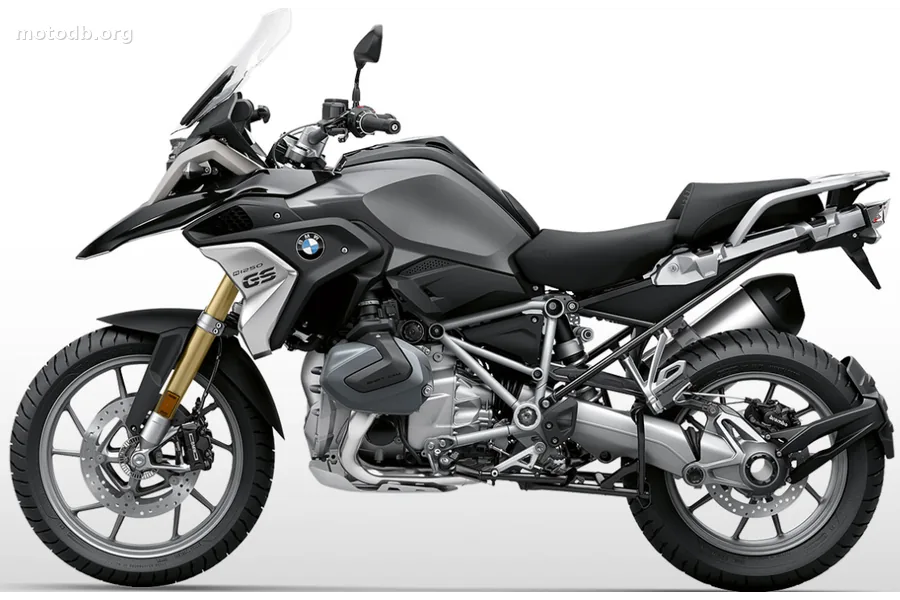
The heart of the 2019 novelty is ShiftCam. BMW grafted a variable valve timing system into the cylinder heads of its boxer, which uses two cam profiles depending on the engine speed. At low speeds, the valves open briefly and slightly for immediate torque and a smoothness worthy of a high-end diesel engine. At high RPM, they open longer and more forcefully to develop power. The figures state 136 horsepower at 7750 rpm and, above all, 143 Nm at 6500 rpm, 18 Nm more than the previous 1200. This increase in torque cannot be explained solely by the additional 84 cc gained on the bore, which went to 102 mm. This is precisely the role of ShiftCam: to multiply what volume alone cannot give. The boxer goes from 1170 to 1254 cc, gaining both cubic capacity and mechanical intelligence simultaneously. For an engine with a reputation for being rough at low speeds, this is a fundamental transformation.
The rest of the machine barely changes, and that's both logical and slightly frustrating. The two-piece steel tubular frame with engine as a stressed member, the Telelever front fork, the Paralever aluminum swingarm with cardan drive, the 20-liter tank, the 19-inch front wheels and 17-inch rear wheels with 120/70 and 170/60 tires, all of that remains virtually unchanged. The wheelbase gains 18 mm, reaching 1525 mm, and the curb weight climbs to 249 kg. The BMW R 1250 GS used bike that will appear on Leboncoin in a few years will be visually almost indistinguishable from a 1200 end-of-series model. BMW consolidates rather than renews. One can understand that when the base is solid, but a stroke of the pencil on the bodywork would not have hurt.
What the 1250 retains from its predecessor is this ability to erase its weight as soon as you ride. 249 kg on the center stand commands respect. Less than that at 30 km/h in a parking lot. The balance of masses, the low center of gravity of the horizontally opposed twin, and the design of the Telelever front end do their work discreetly. The electronics also: as standard, there are two riding modes Rain and Road, the ASC traction control system, the hill start control HSC, a disconnectable ABS, and LED headlights. The 6.5-inch color TFT screen, finally standard after years as an option on the 1200, centralizes smartphone connectivity, basic navigation, and onboard information. If you want the Dynamic, Enduro, and Enduro Pro modes, the cornering ABS, the semi-active ESA Next Generation suspension, or the DTC traction control, you'll need to pay extra. This is the recurring criticism on forums dedicated to the BMW R 1250 GS: the list of options is long and their price quickly piles up on the €17,400 base price.
BMW offers several versions that go far beyond simple color choices. The HP version with its gold-spoke wheels, shortened screen, and longer-travel suspension for those who want to take the 2020 Adventure HP version to the letter. The Exclusive version for those who prefer a premium appearance to off-road ambitions. And the classic finishes for pragmatic touring riders who are eyeing BMW R 1250 GS Vario cases for a six-week autonomous trip. Every profile finds its account, which explains in part why this Bavarian trail dominates sales that the KTM 1290 Super Adventure, the Africa Twin, or the Tiger 900 cannot wrest from it.
At a top speed of 201 km/h, with 4.7 liters per 100 km announced, the BMW R 1250 GS displays grand touring ambitions in a trail suit. It is aimed at the experienced rider who wants a unique machine for the Alps on weekends, Mongolia in summer, and urban daily life without fuss. The price remains high and the options policy is irritating, but on the used market, copies are sold quickly, which says something about the confidence that owners place in their mount over time.
Standard equipment
- Assistance au freinage : ABS deactivatable
Practical info
- La moto est accessible aux permis : A
Indicators & positioning
Similar bikes
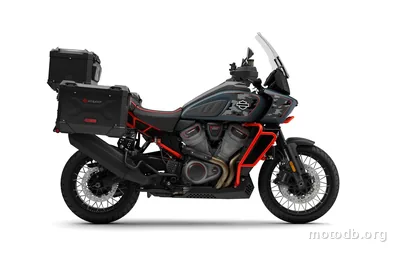
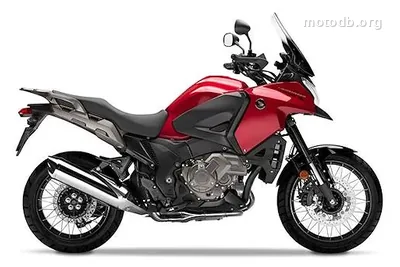
CVO Pan America
CVO Pan America 1250
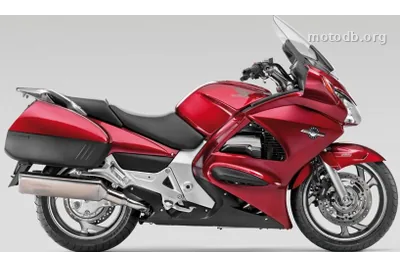
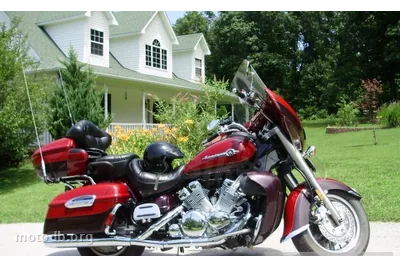
ST 1300 Pan European
Reviews & comments
No reviews yet. Be the first to share your opinion!