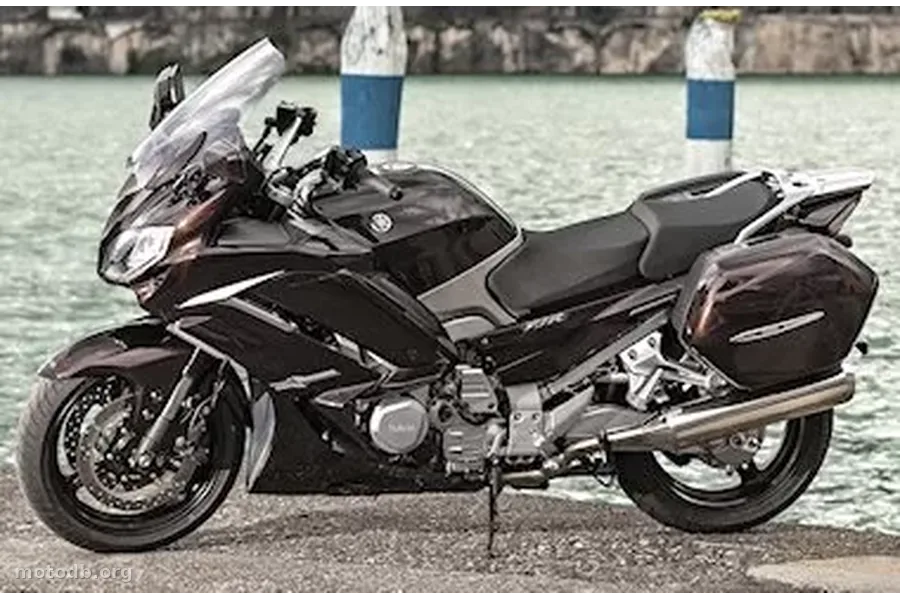
Key performance
Technical specifications
Engine
- Displacement
- 1298 cc
- Power
- 144.2 ch @ 8000 tr/min (105.2 kW)
- Torque
- 138.0 Nm @ 7000 tr/min
- Engine type
- In-line four, four-stroke
- Cooling
- Liquid
- Compression ratio
- 10.8:1
- Bore × stroke
- 79.0 x 66.2 mm (3.1 x 2.6 inches)
- Valves/cylinder
- 4
- Fuel system
- Injection
- Valve timing
- Double Overhead Cams/Twin Cam (DOHC)
- Ignition
- TCI
- Starter
- Electric
Chassis
- Frame
- Aluminium, Diamond Shaped
- Gearbox
- 6-speed
- Final drive
- Shaft drive (cardan) (final drive)
- Clutch
- Assist and slipper clutch
- Front suspension
- Telescopic fork
- Rear suspension
- Swingarm
- Front wheel travel
- 135 mm (5.3 inches)
- Rear wheel travel
- 125 mm (4.9 inches)
Brakes
- Front brakes
- Double disc. ABS. Hydraulic.
- Rear brakes
- Single disc. ABS. Hydraulic.
- Front tyre
- 120/70-ZR17
- Rear tyre
- 180/55-ZR17
Dimensions
- Seat height
- 805.00 mm
- Wheelbase
- 1545.00 mm
- Ground clearance
- 125.00 mm
- Length
- 2230.00 mm
- Width
- 750.00 mm
- Height
- 1455.00 mm
- Fuel capacity
- 25.00 L
- Weight
- 292.00 kg
Overview
Yamaha has always known how to play multiple cards without losing sight of the goal. When the FJR 1300 AS offered a robotic gearbox and electronic suspension in the same package, some seasoned riders balked: too much automation kills the pleasure. Others, conversely, wanted piloted suspension but wished to keep control of their gearbox. Yamaha’s answer lies in two letters, AE, and it is of a disarming logic.
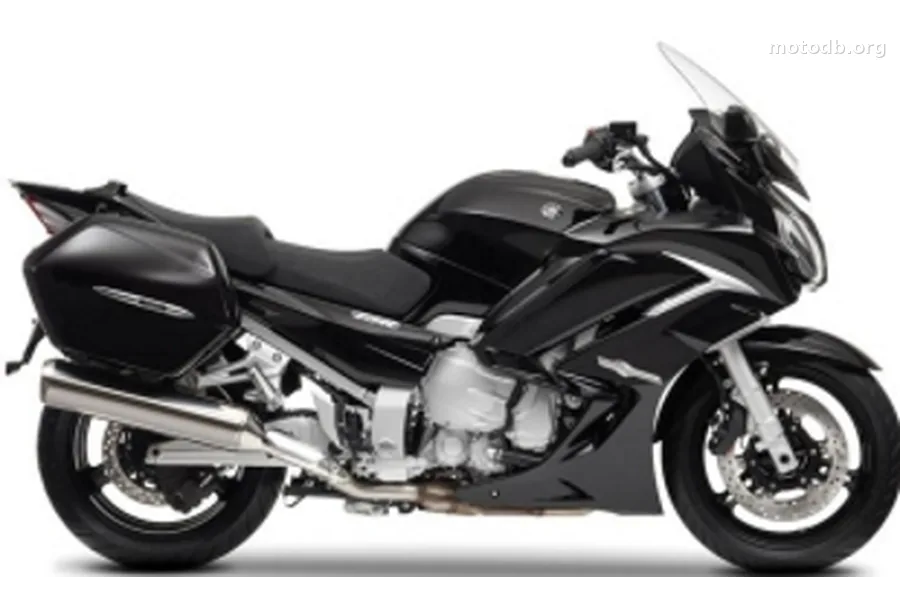
This intermediate version reprises the architecture of the A, this manual and understated in electronics FJR 1300, and grafts the piloted suspension from the AS onto it. Nothing more, nothing less. The result costs 18,499 euros, a positioning that requires justification against a BMW R 1200 RT which sets the standards of the category for years. The challenge is real, and the FJR accepts it without complexes. Its silhouette initially commands respect: this motorcycle has a visual presence that few grand tourers can claim, a mixture of mastered mass and taut lines that suggest speed without shouting it. At 292 kilograms all fully fueled, it doesn’t pass for a featherweight, but its low center of gravity and shaft drive final transmission confer a ship-like stability on the highway.
Under the fairing, the inline four-cylinder engine of 1298 cc develops 146 horsepower at 8000 rpm and above all 138 Nm of torque at 7000 rpm. These figures, on a machine dedicated to long journeys, mean one simple thing: the passenger load, the 30-liter rigid saddlebags each, and the mountain passes never weigh heavily in the balance. The 25-liter tank, coupled with a consumption announced around 6.5 liters per hundred kilometers, allows stages of nearly 380 kilometers without seeking a pump. The shaft drive perfectly matches this touring profile; no chain to grease between Calais and Barcelona.
The riding position does not attempt to rival the computerized cockpit of an RT. It assumes a more classic approach, with a legible instrument combination that integrates essential information without drowning the rider in menus. The motorized screen, heated grips, 12V socket, and seat adjustments are part of the standard equipment, avoiding the expensive list of options. What distinguishes this AE from its little sister A is the 48 mm inverted fork and the electronic damper management system. Four base profiles corresponding to the most common load configurations, solo, solo loaded, duo, duo loaded, then three levels of damping per profile, and finally a manual adjustment range of six notches for purists. Twelve ready-to-use combinations, to which are added fine adjustments: few riders will reach the limits of this system.
The onboard electronics do not stop there. The YCC-T throttle, the switchable traction control, and the D-mode allow you to switch between a sporty profile, more responsive during acceleration, and a touring profile, whose progressiveness reduces fatigue on long distances. These tools make a difference in practice, especially when loaded on wet pavement. What the FJR 1300 AE does not yet offer is a heated seat or an integrated GPS as standard, two arguments that its Munich rival readily brandishes. These are its only real shortcomings in an otherwise solid list of equipment.
For the long-distance rider who once devoured thousands of kilometers per year on a first-generation FJR, this 2015 AE represents a coherent and unadorned evolution. It is aimed at those who know what they want, a versatile, reliable machine, with a real driving dynamics, without paying the surcharge of an automatic gearbox that they do not need. In this respect, the price-performance ratio places it among the best proposals in the segment.
Indicators & positioning
Similar bikes
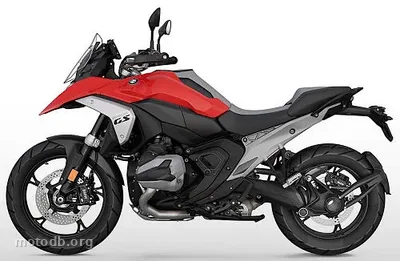
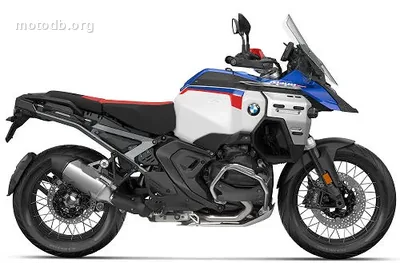
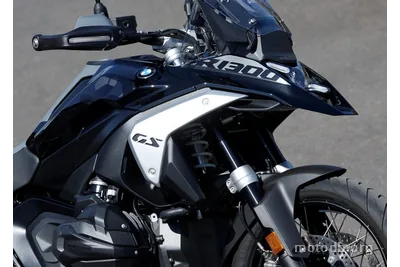
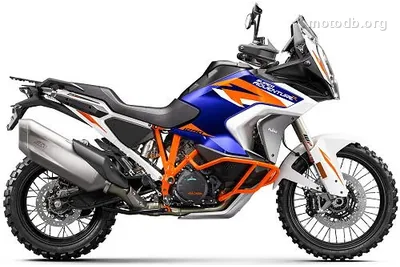
R 1300 GS Adventure
Reviews & comments
No reviews yet. Be the first to share your opinion!