Key performance
Technical specifications
Engine
- Displacement
- 321 cc
- Power
- 42.0 ch @ 10750 tr/min (30.9 kW)
- Torque
- 29.4 Nm @ 9000 tr/min
- Engine type
- Bicylindre en ligne, 4 temps
- Cooling
- liquide
- Compression ratio
- 11.2 : 1
- Bore × stroke
- 68 x 44.1 mm
- Valves/cylinder
- 4
- Camshafts
- 2 ACT
- Fuel system
- Injection
Chassis
- Frame
- en acier de type diamond
- Gearbox
- boîte à 6 rapports
- Final drive
- Chaîne
- Front suspension
- Fourche téléhydraulique inversée Ø 37 mm, déb : 130 mm
- Rear suspension
- Mono-amortisseur, déb : 125 mm
Brakes
- Front brakes
- Freinage 1 disque Ø 298 mm, étrier 2 pistons
- Rear brakes
- Freinage 1 disque Ø 220 mm, étrier simple piston
- Front tyre
- 110/70-17
- Rear tyre
- 140/70-17
Dimensions
- Seat height
- 780.00 mm
- Fuel capacity
- 14.00 L
- Weight
- 167.00 kg
- New price
- 5 999 €
Overview
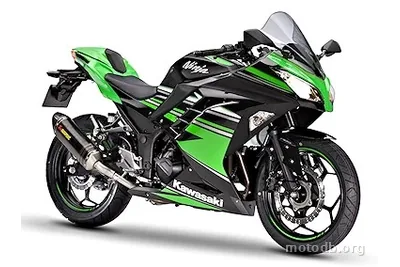
Who still remembers those timid little sportbikes, those CBR 250 and Ninja 250 almost apologetic models that fumbled in a then-deserted market? They have been replaced by a new generation, bold and proud of its origins. The Yamaha YZF-R3 300 of 2020 is its emblem: it no longer simply plays the little sister, it wants to carry the family crest with the same arrogance as its older R1 and R6 siblings.
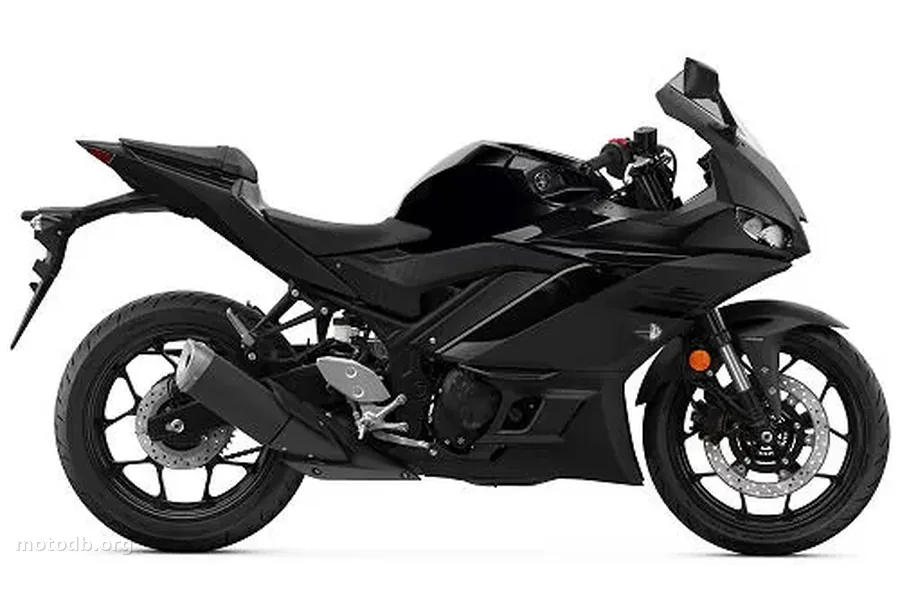
Its face is a manifesto. This aggressive front, the fairing lines that seem to suck in the air, the piercing LED gaze, all recall that in the YZF dynasty, aesthetics are not taken lightly with the M1. Yamaha even calculated a reduced aerodynamic drag of 7%, which should offer it approximately 8 km/h more at top speed, flirting with 170 km/h. But behind this masquerade of a big sportbike, the R3 remains an accessible machine, with a seat height of 780 mm that doesn't traumatize beginners and a weight of 167 kg fully fueled that makes it manageable.
The heart of the beast remains the 321 cm3 twin-cylinder engine, an engine that hasn't been revolutionized but knows how to do its job. 42 horsepower at 10750 rpm and 29.4 Nm of torque at 9000 rpm: it’s not a rocket, but it’s precise, linear, and encourages playing with the six-speed gearbox. The real evolution for 2020 is located in the front end. Yamaha installed a 37 mm inverted fork, stiffer and more imposing visually. It is not adjustable, but on this motorcycle that sits between the sportbike and sport-GT, it is an acceptable compromise. A high-end fork would have exploded the budget, and the price of 5999 euros remains a massive argument against the competition, like the Kawasaki Ninja 400.
The diamond-type steel frame and braking – a 298 mm disc at the front with a double piston caliper, a 220 mm disc at the rear – are unchanged, but ABS is standard. The connection to the ground gains seriousness with this new fork and 110/70 and 140/70 tires in 17 inches. For the rider, Yamaha has also worked on ergonomics: the 14-liter fuel tank has been redesigned to be wider and lower, the clip-on handlebars are lowered by 22 mm. You adopt a more engaged position, without becoming a martyr.
The instrumentation has made a generational leap. The old needle-type combination has been replaced by an LCD screen inspired by the R1, with a bar graph for the rev counter, speed, and gear indicator. It’s clear, modern, and adds to the racing atmosphere. The R3 2020 is not a pure circuit bike, but it wants to give the impression of being able to brush against its spirit. It clearly targets the young rider looking for a first sportbike with a real look, or the touring rider who wants an agile and fun machine without the constraints of a 600.
Its flaw? This stylistic and technical evolution is a bit superficial. The fundamental engine and chassis are the same, the inverted fork is a visual upgrade more than a technical one for most uses. But perhaps that’s its strength: Yamaha has managed to make this R3 more desirable without sacrificing its affordable essence. It now plays in the same aesthetic league as the Ninja 400 or the CBR300R, with a little extra aggression. A machine that proves that in the 300 segment, you can have pride without needing 100 horsepower.
Standard equipment
- Assistance au freinage : ABS de série
Practical info
- La moto est accessible aux permis : A
Indicators & positioning
Similar bikes
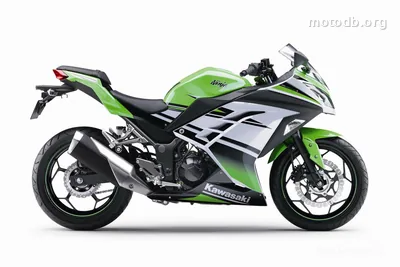
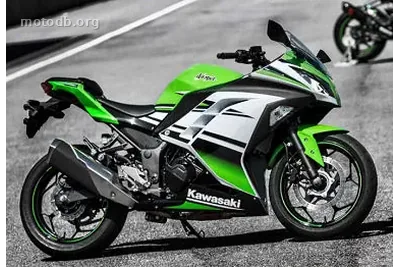
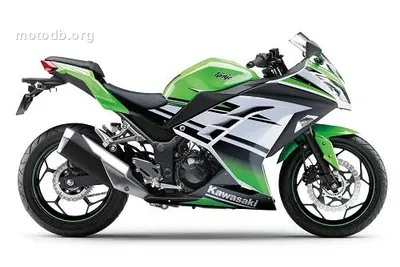
Ninja 300 30th Anniversary Edition
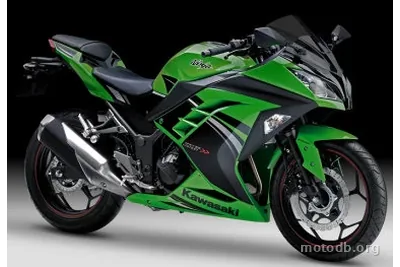
Ninja 300 R KRT Edition
Reviews & comments
No reviews yet. Be the first to share your opinion!