Key performance
Technical specifications
Engine
- Displacement
- 296 cc
- Power
- 39.0 ch @ 11000 tr/min (28.5 kW)
- Torque
- 26.1 Nm @ 10000 tr/min
- Engine type
- Twin, four-stroke
- Cooling
- Liquid
- Compression ratio
- 10.6:1
- Bore × stroke
- 62.0 x 49.0 mm (2.4 x 1.9 inches)
- Valves/cylinder
- 4
- Fuel system
- Injection. 32 mm x 2, with dual throttle valves
- Valve timing
- Double Overhead Cams/Twin Cam (DOHC)
- Lubrication
- Forced lubrication wet sump
- Ignition
- Digital
- Starter
- Electric
Chassis
- Frame
- Tubular diamond, steel
- Gearbox
- 6-speed
- Final drive
- Chain (final drive)
- Clutch
- Assist and Slipper
- Front suspension
- 37mm hydraulic telescopic fork
- Rear suspension
- Bottom-Link Uni-Trak with gas-charged shock and 5-way adjustable pre-load
- Front wheel travel
- 119 mm (4.7 inches)
- Rear wheel travel
- 132 mm (5.2 inches)
Brakes
- Front brakes
- Single disc. Hydraulic. Two-piston calipers.
- Rear brakes
- Single disc. Hydraulic. Two-piston calipers.
- Front tyre
- 110/70-17
- Rear tyre
- 140/70-17
Dimensions
- Seat height
- 785.00 mm
- Wheelbase
- 1405.00 mm
- Length
- 2014.00 mm
- Width
- 715.00 mm
- Height
- 1110.00 mm
- Fuel capacity
- 17.03 L
- Weight
- 179.00 kg
Overview
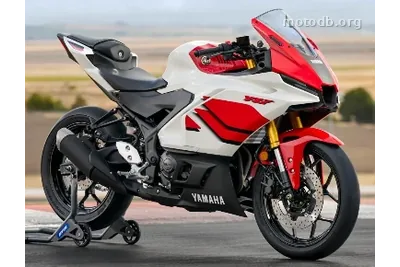
When Kawasaki decided to dress its small-displacement motorcycle in Superbike battle gear, no one expected such a convincing result. The KRT Replica livery of the Ninja 300 doesn't mislead: the visual codes are directly borrowed from the brand's competition machines, and the result looks just as good in a high school parking lot as it does on a highway on-ramp. Integrated turn signals in the flanks, a sharp fork head, intricately designed rims, a streamlined bubble: this 296 cm3 engine plays in a league well above its own on the aesthetic level.
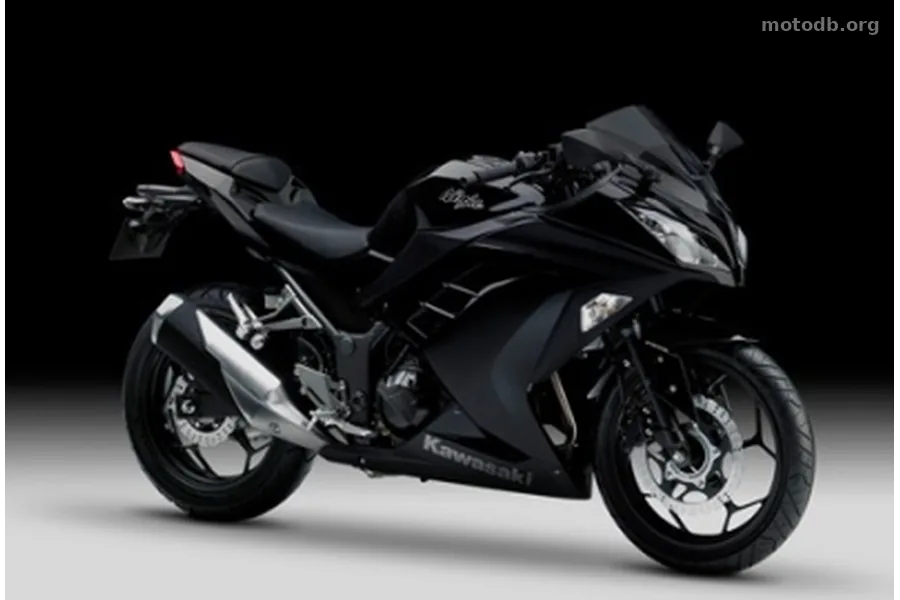
Under the fairing, the parallel-twin engine turns with disarming honesty. Thirty-nine horsepower at 11,000 rpm, 27 Nm of torque at 10,000 rpm: the figures don't inspire awe on paper, but the reality on the road is more nuanced. Kawasaki lengthened the piston stroke compared to the previous 250, which is noticeable from the first acceleration in everyday use. The double butterfly injection and the slipper clutch — equipment normally found on machines twice as expensive — give a refined operating texture, far from the abrupt character that some small-displacement engines can display. Vibrations have been carefully tamed, and the engine's thermal management is handled by the fairing flanks themselves, designed to channel the hot air flow away from the rider.
The Kawasaki Ninja 300 is primarily aimed at A2 license holders, and it embraces this positioning without complex. The 785 mm seat remains accessible, the weight of 174 kg fully fueled does not penalize low-speed maneuvers, and the 17-liter tank allows for decent ranges on the road. The maximum speed is around 160 km/h in aerodynamic configuration, which places the Kawasaki Ninja 300 maximum speed within a reasonable range for legal use. The hybrid dashboard, with its central analog tachometer and the relocated digital screen displaying instantaneous consumption, well reflects this dual vocation of sport and practicality. The standard ABS completes the picture: in 2016, it was not yet systematic in this category.
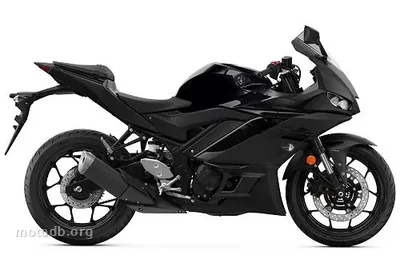
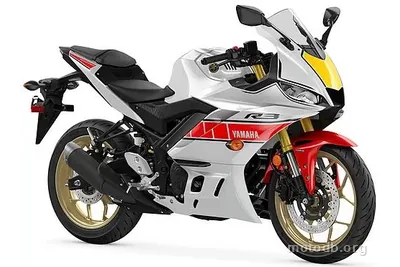
Faced with the competition, the Kawasaki Ninja 300 ABS must compete with two serious rivals. The KTM RC 390 plays the card of brute power with its 44 horsepower and a chassis sharpened for the track, while the Yamaha R3 offers a smoother twin and a slightly lower price. Kawasaki responds with the finish, the distribution network, and a brand image that weighs heavily with young buyers. On the Kawasaki Ninja 300 used market, previous generations, from 2012 to the 2015 and 2017 versions, were produced in large quantities, which guarantees a wide choice and accessible spare parts. The Kawasaki Ninja 300 new price displayed at 5,649 euros positions it in the high average of the segment, a price that is justified by the technical equipment.
It's not a machine that will revolutionize the way an experienced motorcyclist rides. But that's not its role. The Ninja 300 is built to create reflexes, to learn how to place a motorcycle in a curve, to absorb the mistakes of beginners without punishing too severely. In a context where the price of energy is pushing more and more people towards small-displacement engines, it represents a coherent, well-finished proposition, and supported by an aesthetic that does not look like a compromise. For a first sporty purchase under an A2 license, the choice is difficult to contest.
Reviews & comments
No reviews yet. Be the first to share your opinion!