Key performance
Technical specifications
- Power
- — → 42.0 ch @ 10750 tr/min (30.9 kW)
- Torque
- 29.6 Nm @ 9000 tr/min → 29.4 Nm @ 9000 tr/min
- Engine type
- Twin, four-stroke → Bicylindre en ligne, 4 temps, calé à 180°
- Cooling
- Liquid → liquide
- Compression ratio
- 11.2:1 → 11.2 : 1
- Bore × stroke
- 68.0 x 44.1 mm (2.7 x 1.7 inches) → 68 x 44.1 mm
- Camshafts
- — → 2 ACT
- Fuel system
- Injection. Fuel Injection with YCC-T and YCC-I → Injection
- Valve timing
- Double Overhead Cams/Twin Cam (DOHC) → —
- Ignition
- TCI Electric → —
- Starter
- Electric → —
- Frame
- Diamond, steel frame and swingarm → en acier de type diamond
- Gearbox
- 6-speed → boîte à 6 rapports
- Final drive
- Chain (final drive) → Chaîne
- Clutch
- Multiplate clutch → —
- Front suspension
- 37mm Upside-Down → Fourche téléhydraulique inversée Ø 37 mm, déb : 130 mm
- Rear suspension
- Monocross single shock, adjustable preload → Mono-amortisseur, déb : 125 mm
- Front wheel travel
- 130 mm (5.1 inches) → —
- Rear wheel travel
- 124 mm (4.9 inches) → —
- Front brakes
- Single disc. Optional ABS. → Freinage 1 disque Ø 298 mm, étrier 2 pistons
- Rear brakes
- Single disc. Optional ABS. → Freinage 1 disque Ø 220 mm, étrier simple piston
- Front tyre
- 110/70-17 → 110/70-17
- Front tyre pressure
- — → 2.00 bar
- Rear tyre
- 140/70-17 → 140/70-17
- Rear tyre pressure
- — → 2.50 bar
- Wheelbase
- 1380.00 mm → —
- Ground clearance
- 160.00 mm → —
- Length
- 2090.00 mm → —
- Width
- 730.00 mm → —
- Height
- 1140.00 mm → —
- Weight
- 166.90 kg → 169.00 kg
- New price
- — → 6 799 €
Engine
- Displacement
- 321 cc
- Power
- 42.0 ch @ 10750 tr/min (30.9 kW)
- Torque
- 29.4 Nm @ 9000 tr/min
- Engine type
- Bicylindre en ligne, 4 temps, calé à 180°
- Cooling
- liquide
- Compression ratio
- 11.2 : 1
- Bore × stroke
- 68 x 44.1 mm
- Valves/cylinder
- 4
- Camshafts
- 2 ACT
- Fuel system
- Injection
Chassis
- Frame
- en acier de type diamond
- Gearbox
- boîte à 6 rapports
- Final drive
- Chaîne
- Front suspension
- Fourche téléhydraulique inversée Ø 37 mm, déb : 130 mm
- Rear suspension
- Mono-amortisseur, déb : 125 mm
Brakes
- Front brakes
- Freinage 1 disque Ø 298 mm, étrier 2 pistons
- Rear brakes
- Freinage 1 disque Ø 220 mm, étrier simple piston
- Front tyre
- 110/70-17
- Front tyre pressure
- 2.00 bar
- Rear tyre
- 140/70-17
- Rear tyre pressure
- 2.50 bar
Dimensions
- Seat height
- 780.00 mm
- Fuel capacity
- 14.00 L
- Weight
- 169.00 kg
- New price
- 6 799 €
Overview
What does an entry-level sportbike look like when it inherits the traits of its hyper-aggressive big sister? The answer is revealed with the Yamaha R3 2025, which borrows without complex the face of the new R9. This facelift is more than just a paint job: it's a statement of intent. Yamaha clearly wants this small 321 cm³ twin, with its 42 horsepower at 10750 rpm and 29.4 Nm of torque, to be perceived as a true sportbike, not just a dressed-up roadster. The design is cut to impress, with a raked nose and faux wings on the sides. Let's be frank, at this power level, their aerodynamic effect is negligible, but the psychological effect on the buyer is real. It's a powerful marketing argument to seduce a young audience or a rider with an A2 license looking for a machine with a sporty look.
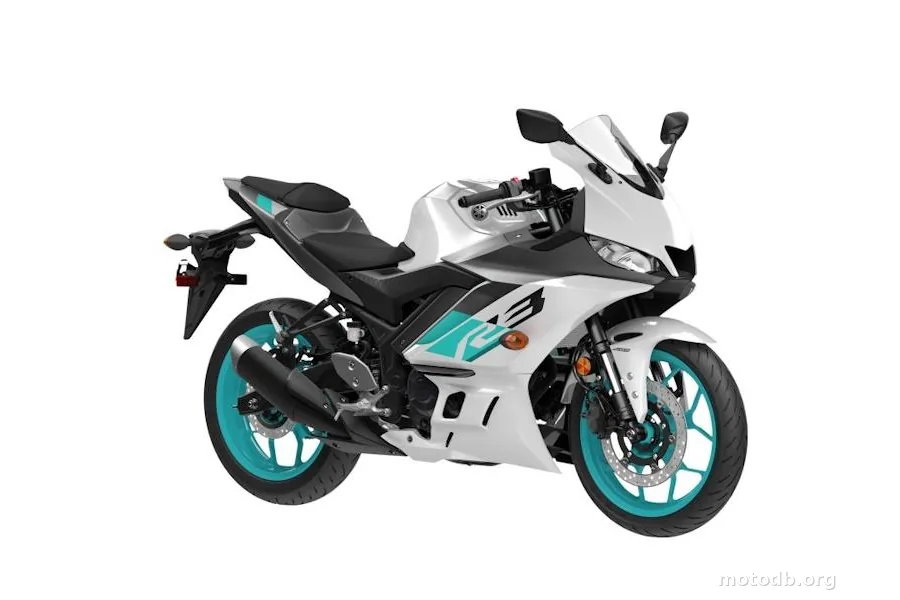
Underneath this miniature M1 suit, the heart remains faithful and effective. The inline twin cylinder, angled at 180°, is an engine known and appreciated for its lively character and linearity. It revs freely to its redline, propelling the 169 kg, fully fueled, to a top speed of 170 km/h. The steel diamond frame and engine block contribute to rigidity, offering a healthy base. The real mechanical novelty lies in the 37 mm inverted fork, stiffer than the previous conventional one. It provides a significant gain in precision and feel, especially when you start to lean into corners. It’s a shame it’s not adjustable, but at a new Yamaha R3 price of €6799, it’s an acceptable compromise. The braking system, with its 298 mm disc at the front and ABS, does its job well without claiming track performance.
On the saddle, Yamaha has refined the ergonomics to match the sporty spirit. The 780 mm seat is slightly narrowed, the 14-liter tank is redesigned to better position the knees, and the handlebars have been lowered. The dashboard is a basic LCD, without frills, but it can be connected via the MyRide app to display riding data or notifications. It's nice, but it's far from the color TFT that is becoming the standard, even in this category. The assisted and slipper clutch is a nice addition, facilitating maneuvers and calming the rear end during downshifts.
So, who is this Yamaha R3 for? It clearly targets the demanding beginner, the young A2 license holder, or the track rider looking for an accessible and fun machine to learn the clockwork. It is more radical and sport-oriented than a Ninja 400, perhaps a little more lively than a KTM RC 390. Its drawback? It may be playing a little too much the look card at the expense of deeper mechanical evolutions. The technical specifications of the Yamaha R3 2021 to the Yamaha R3 2024 show a sawtooth evolution. But its effectiveness must be recognized: it is a consistent, fun machine, and offers a real feeling of sportbike without tearing your arms off. Whether you are consulting ads for a used Yamaha R3 or aiming for new, it remains a safe bet and an excellent tool to learn to ride fast, clean, and with a smile.
Standard equipment
- Assistance au freinage : ABS
- Jantes aluminium
- Indicateur de vitesse engagée
- Bluetooth
- Prise USB
- Embrayage anti-dribble
Practical info
- La moto est accessible aux permis : A
Indicators & positioning
Similar bikes
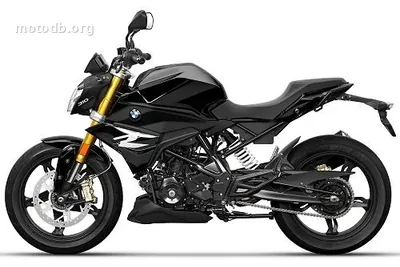
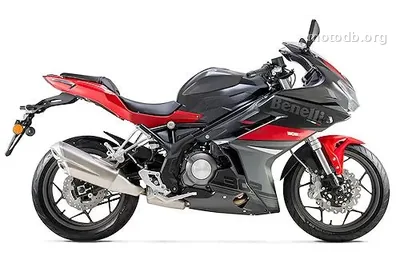
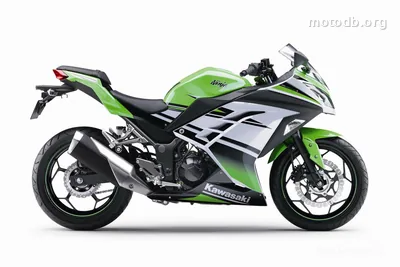
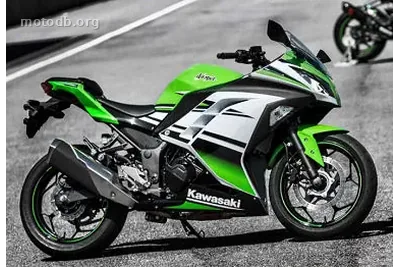
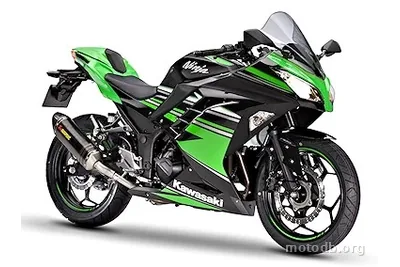
Ninja 300 30th Anniversary Edition
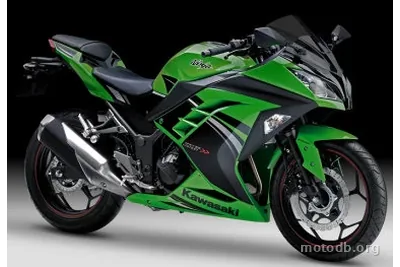
Ninja 300 R KRT Edition
Reviews & comments
No reviews yet. Be the first to share your opinion!