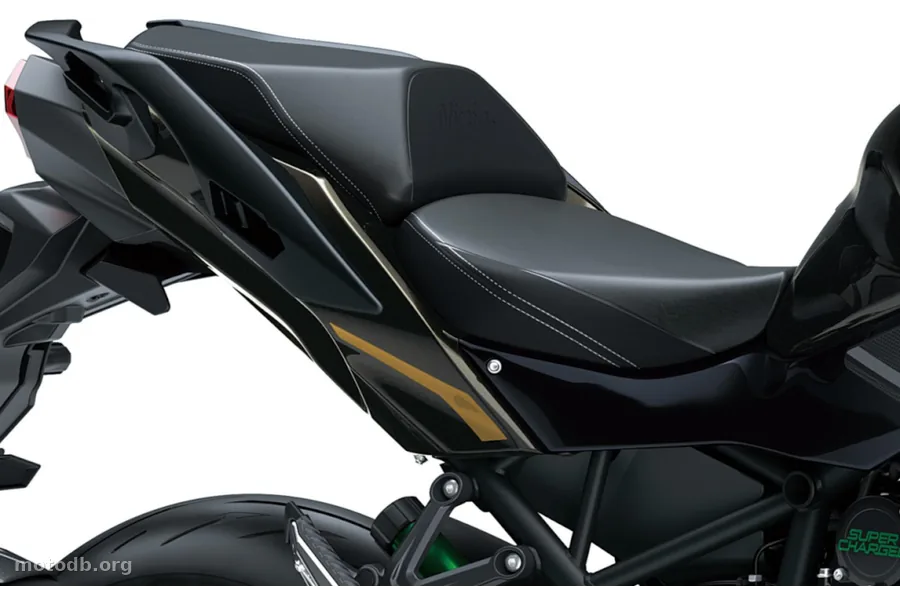
Key performance
Technical specifications
Engine
- Displacement
- 998 cc
- Torque
- 137.0 Nm
- Engine type
- In-line four, four-stroke
- Cooling
- Liquid
- Compression ratio
- 11.2:1
- Bore × stroke
- 76.0 x 55.0 mm (3.0 x 2.2 inches)
- Valves/cylinder
- 4
- Fuel system
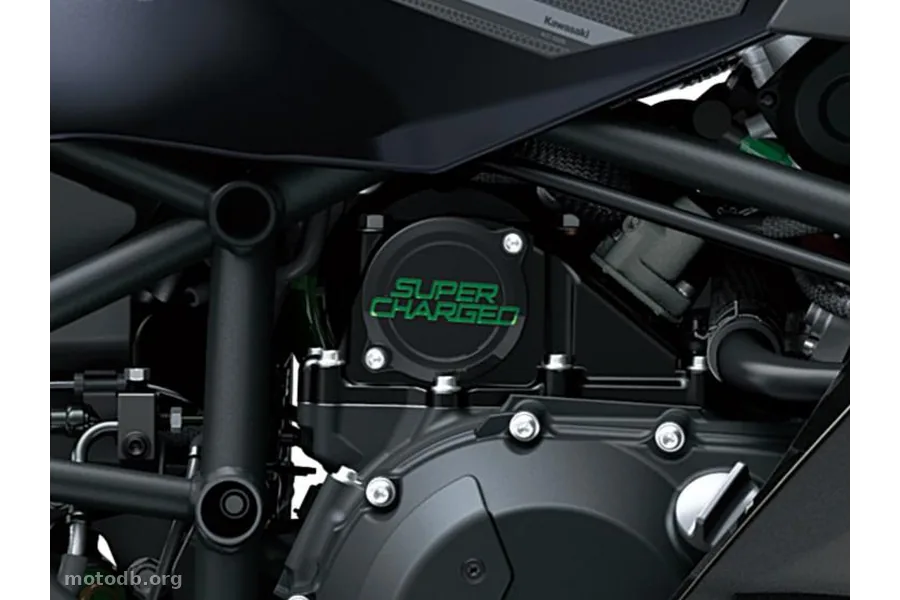
- Injection. DFI® with 40mm throttle bodies (4) with dual injection. Kawasaki Supercharger.
- Valve timing
- Double Overhead Cams/Twin Cam (DOHC)
- Lubrication
- Forced lubrication, wet sump with oil cooler
- Ignition
- Digital
- Starter
- Electric
Chassis
- Frame
- Trellis, high-tensile steel with Swingarm Mounting Plate
- Gearbox
- 6-speed
- Final drive
- Chain (final drive)
- Clutch
- Wet multi-disc, manual
- Front suspension
- 43mm inverted Showa fork with KECS-controlled rebound and compression damping, manual spring preload adjustability and top-out springs/
- Rear suspension
- Uni-Trak®,Showa BFRC gas charged shock with piggyback reservoir, KECS-controlled compression and rebound damping electronically-adjustable spring preload
- Front wheel travel
- 119 mm (4.7 inches)
- Rear wheel travel
- 140 mm (5.5 inches)
Brakes
- Front brakes
- Double disc. Brembo. Floating discs. 4-piston. ABS.
- Rear brakes
- Single disc. 2-piston. ABS.
- Front tyre
- 120/70-ZR17
- Rear tyre
- 190/55-ZR17
Dimensions
- Seat height
- 835.00 mm
- Wheelbase
- 1481.00 mm
- Ground clearance
- 130.00 mm
- Length
- 2174.00 mm
- Width
- 790.00 mm
- Height
- 1260.00 mm
- Fuel capacity
- 19.00 L
- Weight
- 268.00 kg
Overview
When Kawasaki unveiled its supercharging technology with the H2, few imagined that a centrifugal supercharger would one day find its place under a touring bike’s fairing. And yet, the Kawasaki Ninja H2 SX 2018 is exactly that: a 998 cm³ four-cylinder engine boosted to 200 horsepower, peaking at 11,000 rpm, housed in a high-strength steel trellis frame, clad in plastics geared towards long distances. With 256 kg when fully fueled and a 835 mm seat height, it doesn’t pretend to be lightweight. It aims for something else, something that the Hayabusa, the ZZR 1400, or the Honda CBR 1100 XX each attempted in their own way without ever daring to go so far in this founding paradox: being simultaneously brutal and versatile.
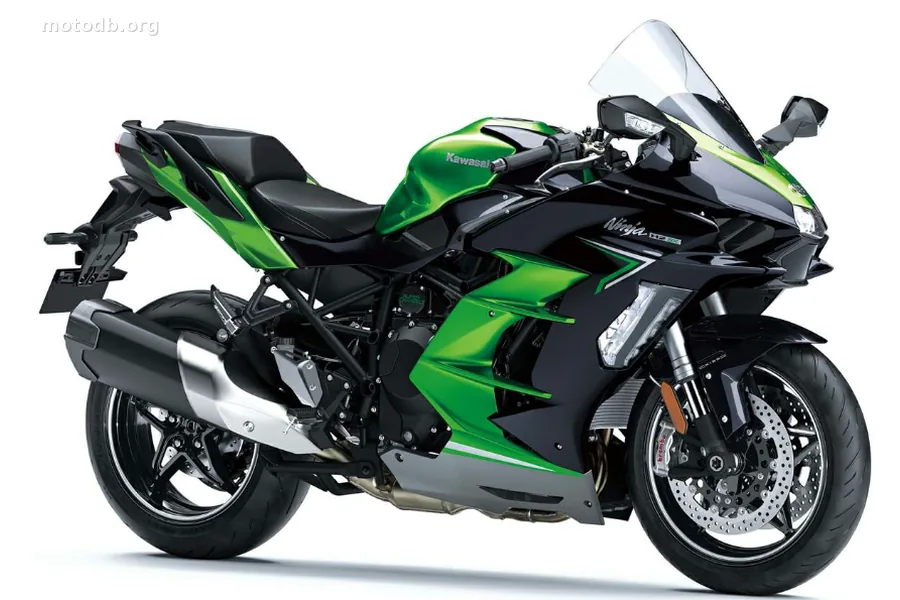
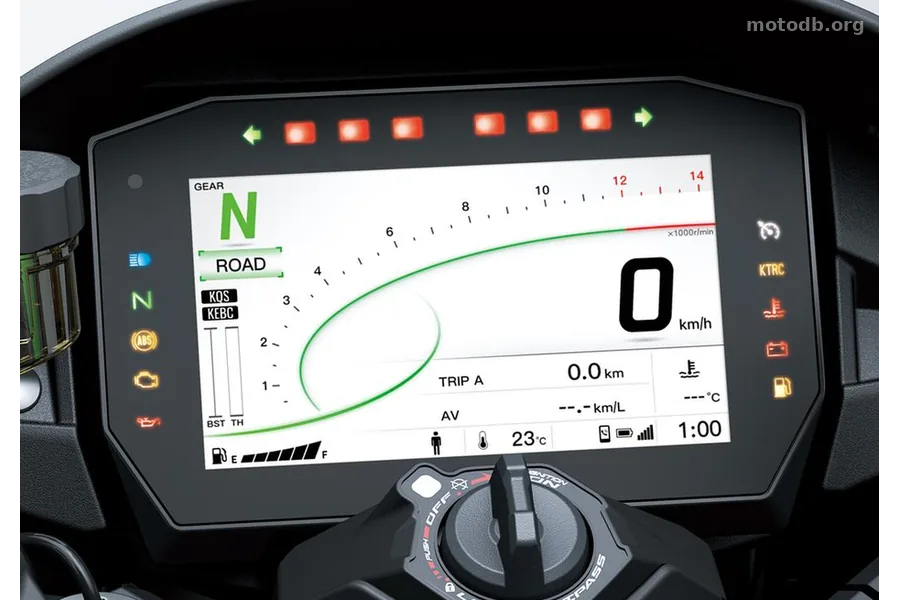
The French market has only known the SE version, and this commercial decision deserves closer examination. The base version, in its dark and understated livery, suffers from a visual defect that is difficult to ignore: deprived of the cornering adaptive lights specific to the SE, its fairing flanks display plugged-in recesses with plastic covers, like an apartment building delivered without its windows. The Kawasaki Ninja H2 SX SE, on the other hand, displays its directional headlights with the confidence of those who assert their status: color TFT screen, tall screen, heated grips, bidirectional shifter, center stand, braided brake lines. The list is long, and the price follows suit. At a launch price of €18,995 for the SE, it’s easier to understand why the used Kawasaki Ninja H2 SX is attracting increasingly serious glances on the second-hand market, where well-maintained examples are circulating well below that threshold.
The engine remains the true subject of the machine. Compared to the sporty H2, the inline four-cylinder has been reworked to gain flexibility at mid-range RPM, where a touring rider spends most of their hours. The result produces 137.3 Nm of torque at 9,500 rpm, and the turbine generates a sensation of acceleration frankly foreign to any naturally aspirated engine. It’s not a sharp surge, it’s a progressive build-up of pressure, then suddenly irresistible, leading to a top speed announced at 300 km/h. Consumption hovers around 7.7 liters per 100 km, honest considering the performance, and the 19-liter tank allows comfortable stages without range anxiety.
The onboard electronics are up to the displayed ambitions. Traction control, wheelie control, cornering ABS, riding modes, cruise control: the common base for both versions is already serious. The more recent Kawasaki Ninja H2 SX SE even adds an ARAS system including adaptive cruise control and blind spot detection, functions that further push the boundaries of the Kawasaki Ninja H2 SX tourer in its most complete definition. The suspension, 43 mm fully adjustable inverted fork and rear shock with remote reservoir, frame the whole thing seriously. Radial Brembo brakes with floating discs and a monoswingarm carrying a 190/55-ZR17 tire complete a technical picture that is consulted with the same curiosity as the lively discussions on Kawasaki Ninja H2 SX forums, where owners invariably exchange on the same duality: the weight felt when stopped, the natural feel rediscovered as soon as you ride.
The Kawasaki Ninja H2 SX price requested targets a specific profile: the experienced touring rider who wants emotion without sacrificing passenger comfort or luggage capacity. It’s not a machine for new riders, the size and the responsiveness of the supercharger confirm it. But for those who have digested a few years of highways and are looking to push the limits of the genre without venturing into the naked roadster or the unmanageable sportbike, the proposition holds up. The Kawasaki Ninja H2 SX 2018 remains a reference in its category, a machine that has carved a furrow that its own evolutions, up to the Kawasaki Ninja H2 SX 2025 test, continue to deepen.
Indicators & positioning
Similar bikes
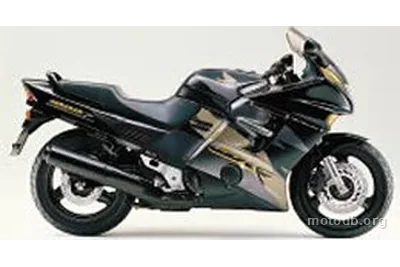
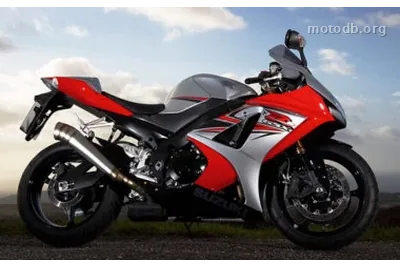
1000 GSX-R Edition Speciale Tourist Trophy
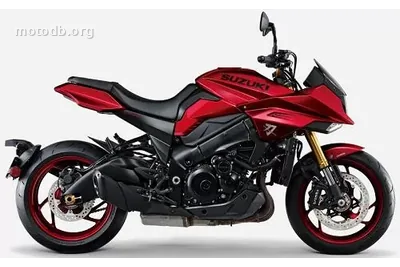
1000 Katana Candy Darling Red
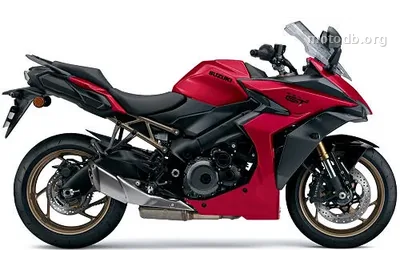
GSX-S1000GT
Reviews & comments
No reviews yet. Be the first to share your opinion!