Key performance
Technical specifications
Engine
- Displacement
- 998 cc
- Power
- 200.0 ch @ 11000 tr/min (147.1 kW)
- Torque
- 137.3 Nm @ 8500 tr/min
- Engine type
- 4 cylindres en ligne, 4 temps
- Cooling
- liquide
- Compression ratio
- 11.2 : 1
- Bore × stroke
- 76 x 55 mm
- Valves/cylinder
- 4
- Camshafts
- 2 ACT
- Fuel system
- Injection Ø 40 mm + compresseur
Chassis
- Frame
- treillis tubulaire en tubes d'acier
- Gearbox
- boîte à 6 rapports
- Final drive
- Chaîne
- Front suspension
- Fourche téléhydraulique inversée Ø 43 mm, déb : 120 mm
- Rear suspension
- Mono-amortisseur et monobras, déb : 139 mm
Brakes
- Front brakes
- Freinage 2 disques Brembo Ø 320 mm, fixation radiale, étrier 4 pistons (M50 monobloc)
- Rear brakes
- Freinage 1 disque Ø 250 mm, étrier 2 pistons
- Front tyre
- 120/70-17
- Rear tyre
- 190/55-17
Dimensions
- Seat height
- 835.00 mm
- Fuel capacity
- 19.00 L
- Weight
- 267.00 kg
- New price
- 28 999 €
Overview
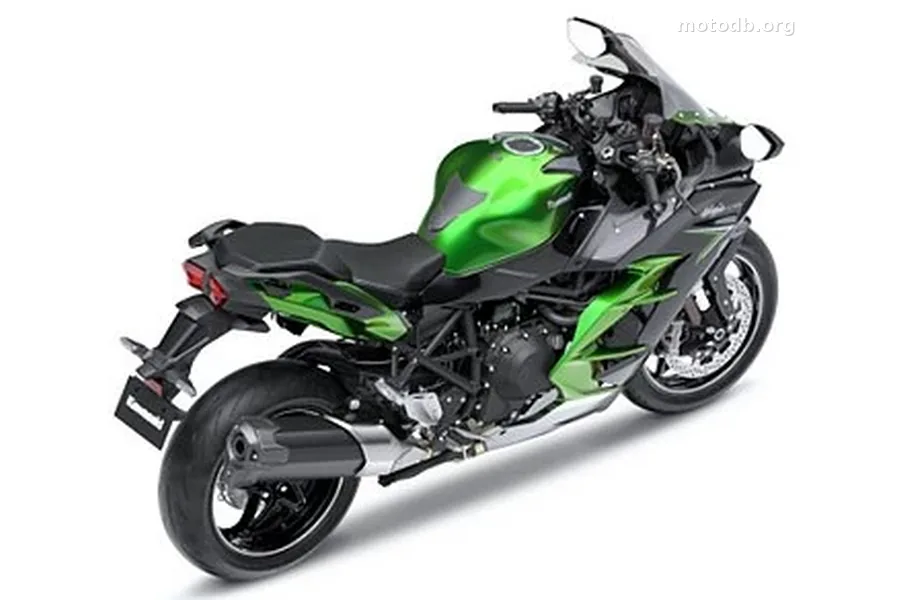
Imagine a Kawasaki engineer who, one morning in 2015, woke up and decided to graft a centrifugal supercharger onto an inline four-cylinder 998 cc engine. His colleagues must have looked at him with that mixture of admiration and genuine unease reserved for slightly unhinged geniuses. The result is the H2 lineage: a homologated time bomb, which first existed as a pure track weapon (the H2 R with its non-homologated 320 hp) before transforming in 2018 into a sport-GT with the H2 SX, featuring a two-up saddle and luggage compatibility. Seven years on, this 2025 SE edition continues to sharpen the formula, layer upon layer of technology, until it became the most electronics-laden rolling object Kawa has ever dared produce.
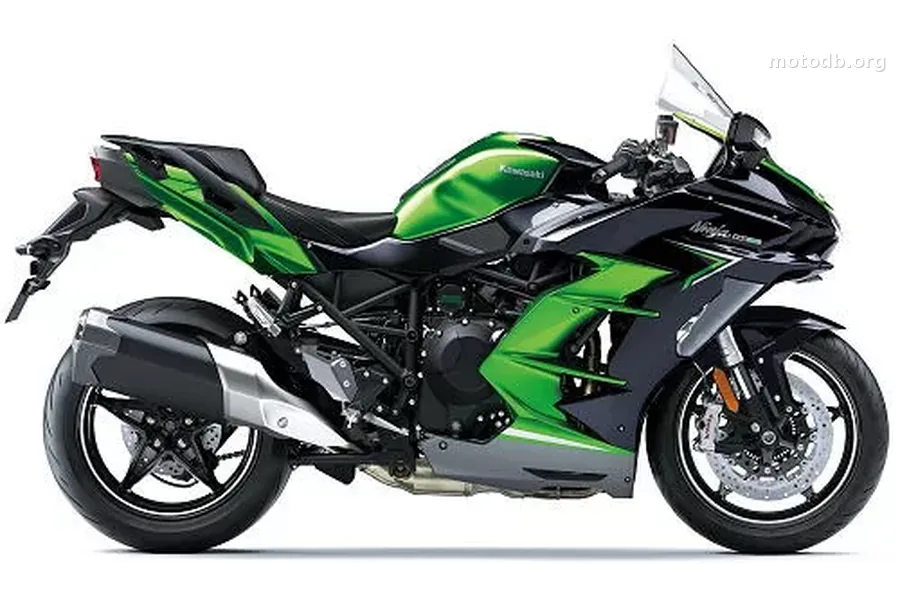
What sets this model year apart is the addition of an AHB system — camera-controlled automatic high beams. The system reads ambient light and detects oncoming vehicles to switch between low and high beams without rider input. Gimmick or genuine comfort on a night highway run? Probably both. But Kawasaki doesn't stop there: the H2 SX SE packs two radars, one at the front for FCW (forward collision warning) and the adaptive ACC cruise control, one at the rear for blind-spot detection BSD. On that last point, it's hard to argue against the usefulness, given that stock mirrors on a motorcycle remain an ergonomic joke. The ACC, on the other hand, calls for more nuanced reflection: handing braking authority to an algorithm on a 267 kg machine launched at highway speeds is as much a philosophical wager as a technical one. The alert alone would be more than sufficient, and would leave the rider's hands where they belong.
The engine, for its part, is unchanged — and that's good news. The Supercharger spits out 200 hp at 11,000 rpm, 210 with Ram Air open, and 137.3 Nm of torque at 8,500 rpm. Compared to a BMW S 1000 XR or a Ducati Multistrada V4, the H2 SX plays in an entirely different league of sensation: its rivals are sports bikes dressed as tourists, while the Kawasaki is an industrial turbine disguised as a road motorcycle. Chain drive and a six-speed gearbox with bidirectional quickshifter round out a drivetrain that needs no revision, only mastery. The SE version's Skyhook semi-active suspension adjusts its behavior in real time according to road surface conditions — a genuine asset on the degraded roads that make up a good portion of grand touring routes across Europe.
The questions of weight and seat height remain. At 267 kg fully fuelled and an 835 mm seat height, this is not a machine for slight-framed or inexperienced riders. The list of electronic aids is staggering — launch control, traction control, hill-start assist, multiple riding modes — but no algorithm compensates for lack of low-speed practice on a machine this massive. The target audience is clearly the seasoned long-distance rider: someone who swallows 700 km a day without flinching and wants to do so at a theoretical 300 km/h while keeping their licence.
At €28,999 for this SE version, the bill is steep. But the direct competition — anything that combines this level of outright performance with a genuine GT vocation including pillion and luggage — simply does not exist. That is both the problem and the strength of the H2 SX: it occupies alone a segment it created itself. The 6.5-inch TFT dashboard with smartphone connectivity is the only real misstep in the package: it's hard to picture the ideal rider of this motorcycle checking notifications at 200 km/h on an Alsatian back road. Kawasaki preaches freedom, then integrates the very digital tools that represent its opposite. That's the contradiction of our era, and the H2 SX SE 2025 wears it with disarming candour.
Standard equipment
- Assistance au freinage : ABS
- Nombre de mode de conduite : 3
- Taille de l'écran TFT couleur : 16,51 cm / 6.5 pouces
- ABS Cornering
- Jantes aluminium
- Shifter
- Béquille centrale
- Indicateur de vitesse engagée
- Régulateur de vitesse
- Prise USB
- Aide au démarrage en côte (Hill Hold Control)
- Aide au départ arrêté (Launch Control)
- Démarrage sans clé
- Contrôle de traction
- Poignées chauffantes
- Suspensions réglables électroniquement
- Système radar
- Embrayage anti-dribble
- Centrale inertielle
- Phares adaptatifs en virage
- Contrôle du frein moteur
- Surveillance de la pression des pneus
Practical info
- La moto est accessible aux permis : A
Indicators & positioning
Similar bikes
1000 GSX-R Edition Speciale Tourist Trophy
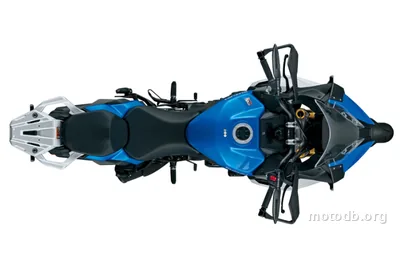
GSX-S1000GX Plus
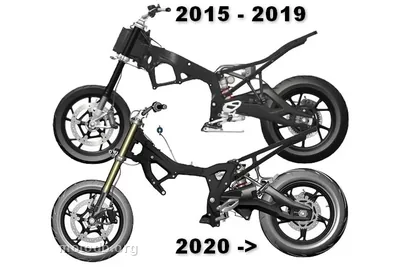
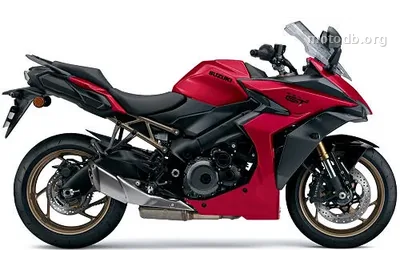
GSX-S1000GT
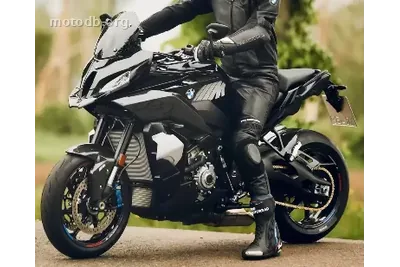
Reviews & comments
No reviews yet. Be the first to share your opinion!