Key performance
Technical specifications
Engine
- Displacement
- 997 cc
- Power
- 91.0 ch @ 8600 tr/min (66.9 kW)
- Torque
- 84.3 Nm @ 6250 tr/min
- Engine type
- 4 cylindres en ligne, 4 temps
- Cooling
- liquide
- Compression ratio
- 10.2:1
- Bore × stroke
- 74 x 58 mm
- Valves/cylinder
- 4
- Camshafts
- 2 ACT
Chassis
- Frame
- ouvert de type Diamond en acier
- Gearbox
- boîte à 6 rapports
- Final drive
- Cardan
- Front suspension
- Fourche téléhydraulique Ø 41 mm, déb : 140 mm
- Rear suspension
- mono-amortisseur unitrack, déb : 140 mm
Brakes
- Front brakes
- Freinage 2 disques Ø 300 mm, étrier 2 pistons
- Rear brakes
- Freinage 1 disque Ø 280 mm, étrier simple piston
- Front tyre
- 110/80-18
- Front tyre pressure
- 2.50 bar
- Rear tyre
- 150/80-16
- Rear tyre pressure
- 2.50 bar
Dimensions
- Seat height
- 790.00 mm
- Fuel capacity
- 28.50 L
- Weight
- 294.00 kg
- Dry weight
- 270.00 kg
- New price
- 9 298 €
Overview
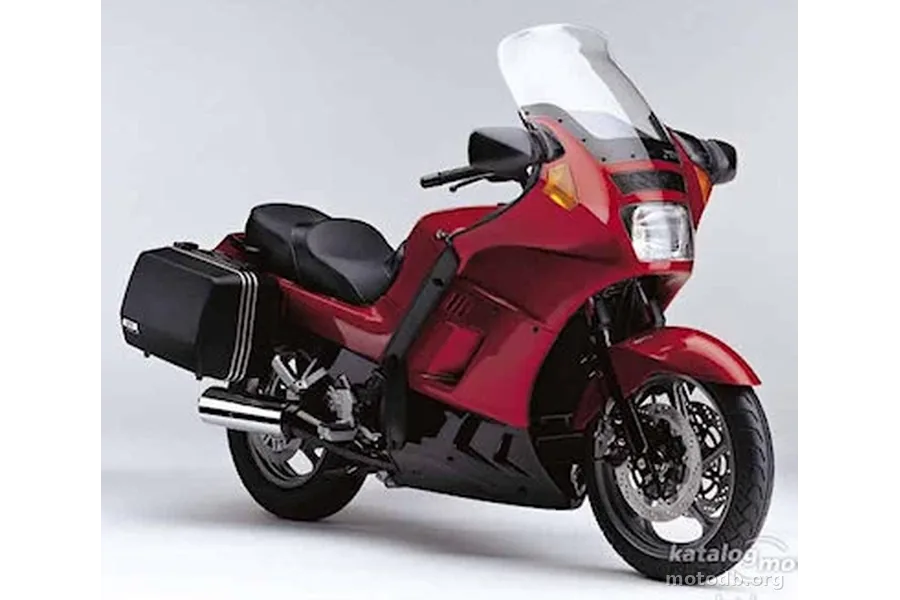
Forty years of kilometers covered without a murmur—that’s the discreet but solid track record the Kawasaki 1000 GTR carries with it. Born in 1986 in the offices of Akashi with a clear ambition—to compete with BMW in the realm of touring bikes with shaft drive—it never sought to dazzle. It simply did the job, year after year, from 1987 to 1997, quietly refining its proposition without ever betraying its primary vocation.
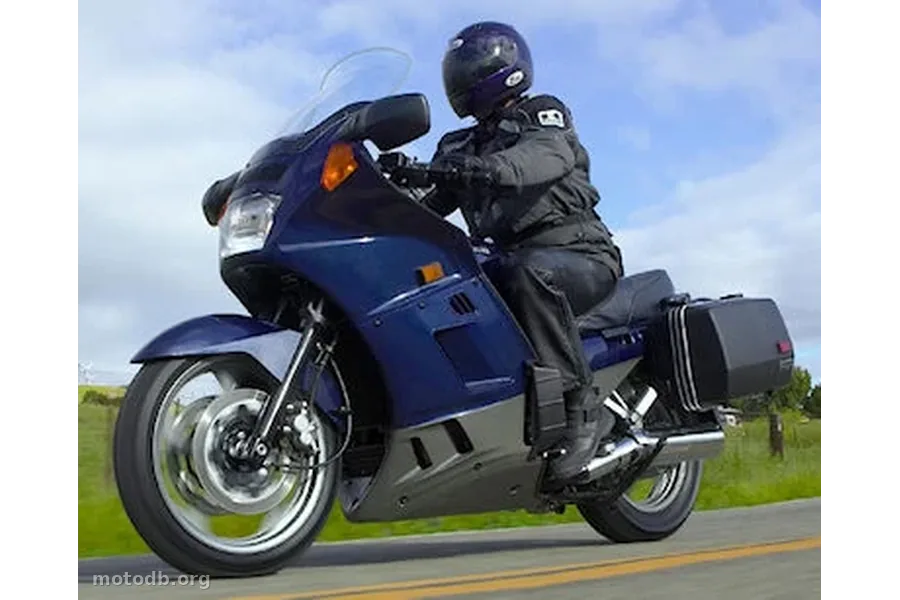
The inline four-cylinder engine of 997 cc develops 91 horsepower at 8600 rpm, with a torque of 84.3 Nm available from 6250 rpm. Honest figures for the time, but compliance with the 1994 acoustic standards stifled an engine that was once more lively. Two-up with luggage on the highway, the limit is felt: the R100RT’s boxer twin or BMW’s K-series brick breathe more freely under load. The Kawasaki 1000 GTR is not a bolt of lightning, and no one has ever asked it to be. The question of Kawasaki 1000 GTR de-restriction regularly appears on dedicated forums to give a little air to this engine bridled by regulations, but it remains an anecdotal modification for grand touring use.
What makes the legend of this machine is its structural endurance. Kawasaki 1000 GTR reliability has become a selling point in itself: little Kawasaki 1000 GTR maintenance to plan, a shaft drive that eliminates chain chores, and a 28.5-liter tank that was, at the time of its release, the most generous on the market. In an era without GPS and with fewer service stations on secondary routes, this range was not an option, it was a philosophy. The 294 kilograms all full are felt in maneuvers at a standstill and the turning radius does not invite urban fantasy, but as speeds rise, the diamond-type steel frame takes over. Some wobbles may appear at high speed—a sign of dated geometry—but road holding remains reliable over long distances.
The fairing effectively protects rider and passenger, the integrated cases offer a respectable volume even if their aesthetics do not rival modern equipment. The 790 mm high seat is accessible, the long-distance comfort frankly serious. It’s no coincidence that the GTR was regularly seen in the Tour de France press escorts: it ticks the boxes that a professional mover demands, without discussion.
Today, the Kawasaki 1000 GTR used is found at prices that have little to do with its 9298 euros list price. On the classifieds, well-maintained examples from the 1989, 1990 or 1996 model years are sold for a fraction of that price, making it a coherent entry into the world of grand touring on a tight budget. A few enthusiasts attempt café racer or scrambler conversions, with variable results—the GTR is not the most inspiring chassis for this type of exercise, but the enthusiasm exists. Its true territory remains that for which it was designed: loading the saddlebags on a Friday evening and riding until fatigue imposes a halt, not the engine.
Practical info
- La moto est accessible aux permis : A
Indicators & positioning
Similar bikes
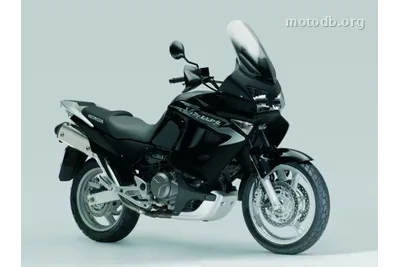
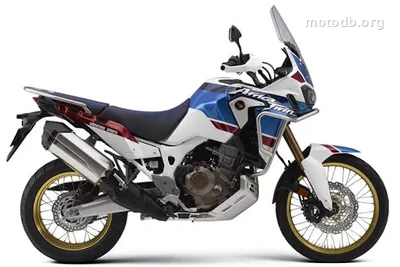
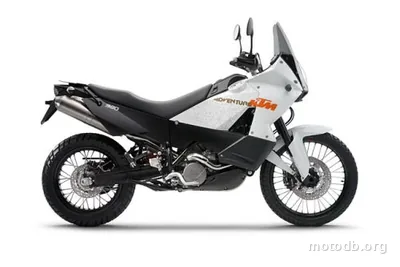
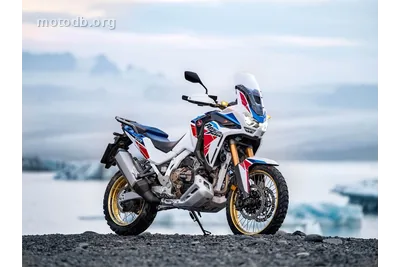
CRF 1000 L AFRICA TWIN Adventure Sports
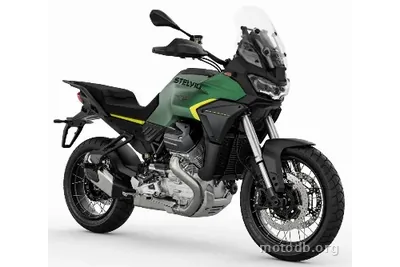
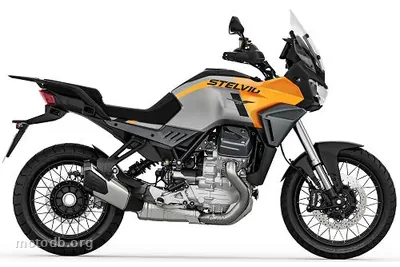
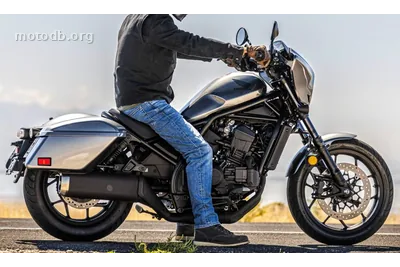
1000 Stelvio
Reviews & comments
No reviews yet. Be the first to share your opinion!