Key performance
Technical specifications
Engine
- Displacement
- 1170 cc
- Power
- 125.0 ch @ 7750 tr/min (91.2 kW)
- Torque
- 125.0 Nm @ 6500 tr/min
- Engine type
- Twin, four-stroke
- Cooling
- Liquid
- Compression ratio
- 12.5:1
- Bore × stroke
- 101.0 x 73.0 mm (4.0 x 2.9 inches)
- Valves/cylinder
- 4
- Fuel system
- Injection. Digital engine management, electronic intake pipe fuel injection
- Valve timing
- Double Overhead Cams/Twin Cam (DOHC)
- Lubrication
- Wet sump
- Starter
- Electric
Chassis
- Frame
- Two-section frame consisting of front and rear sections, load-bearing engine-gearbox unit
- Gearbox
- 6-speed
- Final drive
- Shaft drive (cardan) (final drive)
- Clutch
- Wet eight-disc clutch with anti-hopping function, hydraulically operated
- Front suspension
- BMW Motorrad Telelever
- Rear suspension
- BMW Motorrad EVO Paralever
- Front wheel travel
- 120 mm (4.7 inches)
- Rear wheel travel
- 136 mm (5.4 inches)
Brakes
- Front brakes
- Double disc. ABS
- Rear brakes
- Single disc. ABS
- Front tyre
- 120/70-ZR17
- Rear tyre
- 180/55-ZR17
Dimensions
- Seat height
- 805.00 mm
- Wheelbase
- 1485.00 mm
- Length
- 2222.00 mm
- Width
- 983.00 mm
- Height
- 1415.00 mm
- Fuel capacity
- 25.00 L
- Weight
- 276.00 kg
Overview
For how many years have the Japanese, Italians, British, and Americans tried to unseat this touring machine from the top? The Honda Gold Wing plays the card of absolute luxury, the Yamaha FJR1300 focuses on Japanese rigor, and the Kawasaki 1400 GTR boasts raw muscle. It’s all to no avail. The BMW R 1200 RT absorbs the blows, digests the cycles, and returns each time a little more refined. The 2018 model year does not deviate from this logic, but it marks a serious technological step for those who have been following this model since the 2007 or 2008 version.
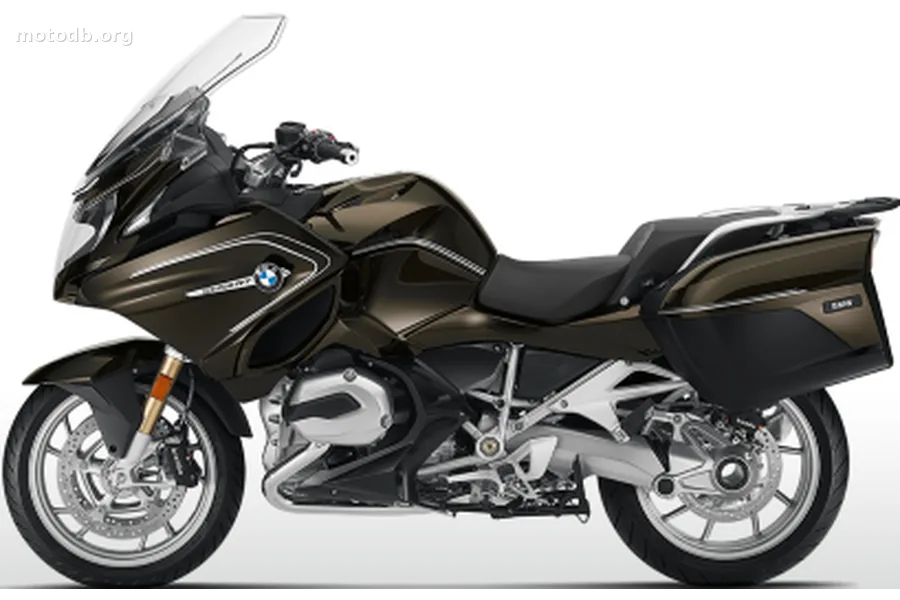
What first strikes you about this generation is that the flat-twin has definitively changed its nature. The transition to partial liquid cooling, initiated on the GS, has given the boxer engine a new temperament. 125 horsepower arrives at 7,750 rpm, 125 Nm of torque at 6,500 rpm, and although these figures are similar to those of the GS, the character differs markedly. BMW has increased the inertia of the crankshaft and alternator to smooth out jolts, and has lengthened the gear ratios to civilize cruising behavior. With sixth gear engaged, the engine runs low, consumes little – around 5 liters per 100 kilometers depending on usage – and doesn't shout. For the touring rider who chains stages together, this is exactly what is needed. For those seeking sharp sensations, they will need to select driving modes.
And there are modes. Two come standard, "Road" and "Rain," which modulate throttle response and the intervention threshold of the ASC traction control system. The Pro package, an option, adds a noticeably more incisive "Dynamic" mode, DTC traction control, and Hill Start Control for loaded hill starts. ABS Pro, standard since 2018 after being optional in 2017, now manages its own intervention in corners, which concretely changes the game on wet roads. Dynamic Brake Light completes the safety picture by visually alerting following vehicles during an emergency brake. On a machine weighing 276 kilograms fully fueled, these systems are not superfluous luxuries. The front discs of 320 mm gripped by radial Brembo four-piston calipers do their job, but physics remains physics.
The chassis perpetuates the foundations that have made the BMW R 1200 RT renowned: Telelever at the front, Paralever with a single-sided swingarm and driveshaft transmission at the rear. No chain adjustment, no maintenance chores at this level, a significant argument for buyers seeking the least demanding BMW R 1200 RT. The BMW R 1200 RT maintenance plan provides for reasonable intervals, and the BMW R 1200 RT reliability built up over the years reassures the used car buyer. Those who consult the BMW R 1200 RT motorcycle price guide before buying know that these machines stand the test of time. The optional semi-active ESA Dynamic suspension adds a welcome layer of adaptive comfort, especially when riding two-up with luggage, a configuration in which many touring machines falter.
The cockpit reaches a level of sophistication that is worth exploring. The 5.7-inch color TFT screen, the navigation wheel on the left handlebar control, the electric windscreen with position memory: all this creates a very accomplished riding environment. What is irritating, however, is the absence of standard GPS on a motorcycle priced at €19,300. At this price, including navigation would simply be consistent. BMW prefers to add it to the already long list of options, which is a hallmark known on the BMW R 1200 RT forum for years. The low seat at 805 mm makes the machine accessible to a pilot of average build, and the revised ergonomics with the lowered rider triangle by 20 mm improves comfort on long distances. The target audience is clear: the experienced touring rider, often the owner of an older BMW R 1200 RT 2015 or BMW R 1200 RT 2017, who knows the recipe and is simply looking for the most complete version available. They will find it here, subject to a final bill that quickly rises as you open the options catalog.
Indicators & positioning
Similar bikes
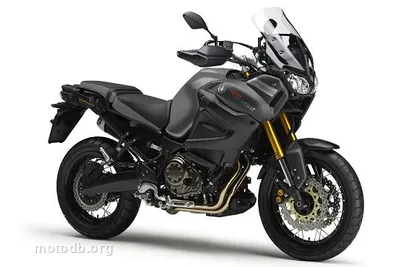
XTZ 1200 Super Ténéré
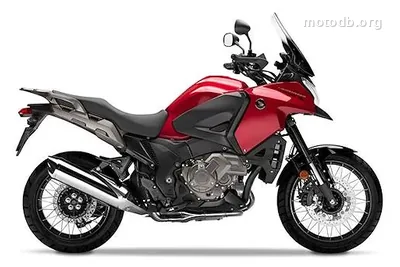
1200 CROSSTOURER DCT
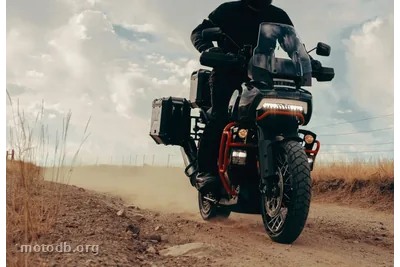
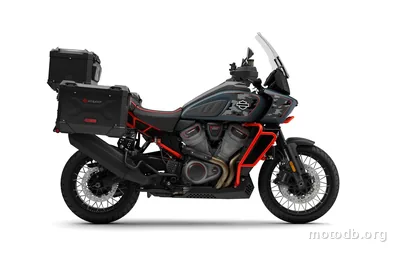
CVO Pan America 1250
Reviews & comments
No reviews yet. Be the first to share your opinion!