Key performance
Technical specifications
Engine
- Displacement
- 1833 cc
- Power
- 93.0 ch @ 5500 tr/min (93.0 kW)
- Torque
- 170.0 Nm @ 4500 tr/min
- Engine type
- Four stroke, opposed boxer six cylinders, SOHC, 4-valve per cylinder,finger-follower rocker arm on intake, roller-rocker arm on exhaust
- Cooling
- Liquid cooled
- Compression ratio
- 10.5:1
- Bore × stroke
- 73 x 73 mm
- Fuel system
- PGM-FI electronic fuel injection, 50mm throttle body
- Ignition
- Computer controlled digital
- Starter
- Integrated Starter Generator system
Chassis
- Frame
- Aluminum die-cast, twin tube
- Gearbox
- 6 speed MT (including overdrive. Plus electric reverse)7-speed forward and reverse DCT
- Final drive
- Enclosed shaft
- Clutch
- (MT) Hydraulic, wet, multiplate with coil springs, assist slipper cam(DCT) Hydraulic, wet, multiplate with oil pressure
- Front suspension
- Double-wishbone
- Rear suspension
- Pro-Link system with Showa shock absorber
Brakes
- Front brakes
- 2x 320mm hydraulic discs6-piston Nissin calipers, floating rotors and sintered metal pads
- Rear brakes
- Single 316mmv-entilateddisc3-piston Nissin caliper, sintered metal pads
- Front tyre
- 130/70R18 M/C 63H
- Rear tyre
- 200/55R16 M/C 77H
Dimensions
- Seat height
- 745.00 mm
- Wheelbase
- 1695.00 mm
- Ground clearance
- 130.00 mm
- Fuel capacity
- 21.10 L
- Weight
- 393.00 kg
Overview
Take the Gold Wing you knew, the one that graced catalogs for years, the one whose reviews of the 2004 Honda GL 1800 Gold Wing described a highway monument adorned with plastic and chrome, and forget it. The 2018 version is a different beast altogether. Not a facelift, not a cosmetic update: a complete overhaul that reshuffles the cards in the segment of grand touring motorcycles.
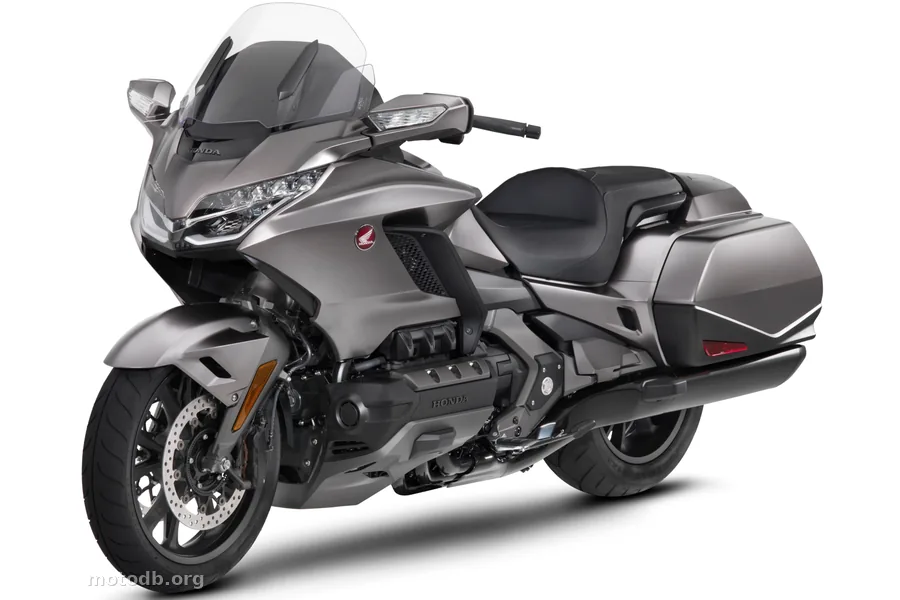
What immediately strikes you is the change in silhouette. The standard version of this generation abandons the large rear trunk in favor of a bagger profile, more taut, less gluttonous. The result comes in at 365 kilograms fully fueled, whereas the previous F6B weighed 384. Nineteen kilograms on a machine of this size is a real engineering decision, not an accounting rounding. The aluminum twin-spar frame has been lightened, the swingarm revised, and the front suspension adopts a double triangle geometry reminiscent of BMW’s Duolever. Honda has clearly drawn inspiration from what the German competition has developed on its K series, and that’s not a criticism: the quadrilateral fork provides steering precision and a softness of absorption that conventional telescopic forks struggle to offer on such masses.
Under the fairing, the 1833 cc flat-six engine has been completely rethought. The cylinder heads switch to four valves per cylinder, the engine gains 8 horsepower to reach 126 hp at 5500 rpm, and peak torque reaches 169.7 Nm at 4500 rpm. The engine itself has lost 6.2 kilograms and is more than 3 cm shorter. Honda did not seek to replicate the BMW K 1600 GT’s inline-six in a race for brute power; the goal was elsewhere, in suppleness, thermal management, and electronic modularity. Four riding modes, Tour, Sport, Econ, and Rain, play on the engine mapping, braking dosage, and calibration of the electric suspension. The 6-speed gearbox, coupled with a shaft drive, and electric reverse gear complete a picture that makes the machine less intimidating to maneuver than it appears.
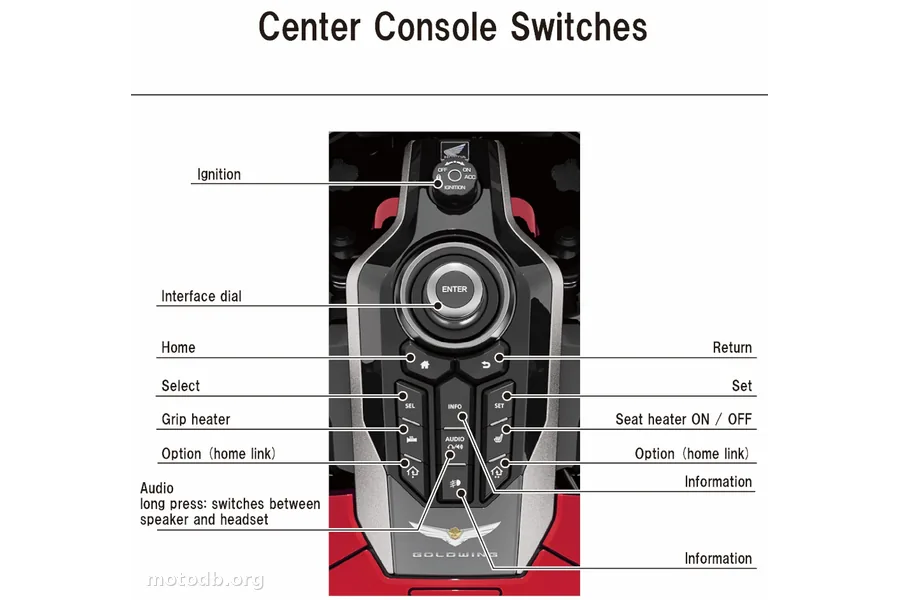
Inside, the 7-inch TFT screen centralizes navigation, audio, suspension settings, and riding data, without sacrificing two real analog gauges for speed and revs. Apple CarPlay, Bluetooth, keyless start, cruise control, full LED lighting, automatic retracting turn signals: Honda has condensed here what the brand had accumulated in terms of onboard electronics. The price of €25,999 places the machine against the K 1600 GT but with a different promise. Those who wonder what the price of a 2015 Honda GL 1800 Gold Wing is in France will find here a technically far superior motorcycle for a comparable price on the recent used market.
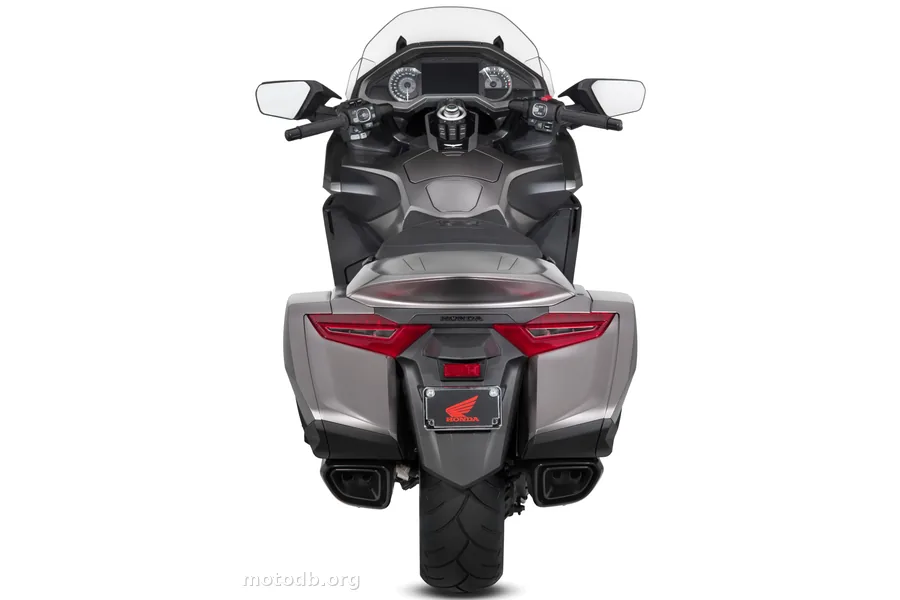
The only serious drawback concerns storage. The two side cases hold a combined 30 liters, against 51 on the previous F6B. For a busy weekend, it’s just enough. Those seeking more space will turn to the Tour version and its more generous trunks. But this bagger Gold Wing is not designed for full-time nomads; it is aimed at the traveler who wants comfort and dynamism without the weight of a camper on wheels. Reviews of the Honda GL 1800 Gold Wing in this configuration converge on the same observation: the motorcycle has changed character without betraying its DNA. It remains a high-end grand tourer, but it is now ridden with a lightness that was not suspected. For an experienced driver who wants to swallow the kilometers without fighting the machine in the tight curves of a winding national road, this is a significant argument.
Indicators & positioning
Similar bikes
1830 Challenger Venum
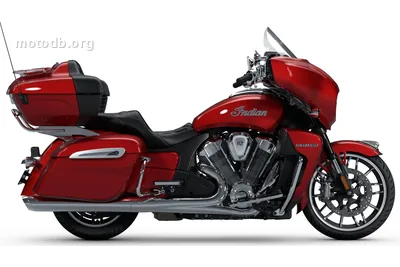
1830 Roadmaster Limited / Dark Horse
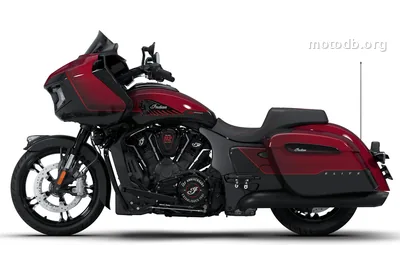
1830 Challenger 125th Anniversary Edition
Reviews & comments
No reviews yet. Be the first to share your opinion!