Key performance
Technical specifications
Engine
- Displacement
- 249 cc
- Power
- 46.0 ch (33.8 kW)
- Engine type
- Monocylindre, 4 temps
- Cooling
- liquide
- Compression ratio
- 13.9 : 1
- Bore × stroke
- 79 x 50.9 mm
- Valves/cylinder
- 4
- Camshafts
- 1 ACT
- Fuel system
- Injection Ø 44 mm
Chassis
- Frame
- Double poutre et simple berceau dédoublé en aluminium
- Gearbox
- boîte à 5 rapports
- Final drive
- Chaîne
- Front suspension
- Fourche téléhydraulique inversée Ø 49 mm, déb : 310 mm
- Rear suspension
- Mono-amortisseur
Brakes
- Front brakes
- Freinage 1 disque Ø 260 mm, étrier 2 pistons
- Rear brakes
- Freinage 1 disque Ø 240 mm, étrier simple piston
- Front tyre
- 80/100-21
- Front tyre pressure
- 1.00 bar
- Rear tyre
- 100/90-19
- Rear tyre pressure
- 1.00 bar
Dimensions
- Seat height
- 961.00 mm
- Fuel capacity
- 6.30 L
- Weight
- 104.00 kg
- New price
- 9 649 €
Overview
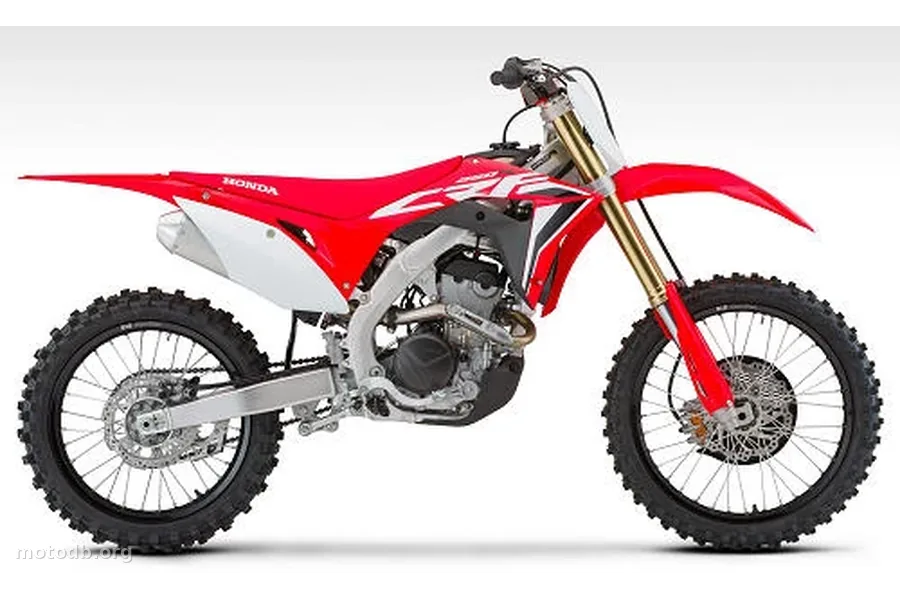
What sets a good 250 motocross bike apart from a machine capable of turning an amateur rider into a trophy hunter? At Honda, the answer lies in a racing heritage few manufacturers can claim. The 2024 Honda CRF250R is built on the platform developed by HRC for the 450—the very one that carried Tim Gajser to two consecutive MXGP world titles. This isn't a hollow marketing argument. It's a direct technology transfer, from the world championship paddock to your local dealership. And for a price of 9,649 euros, you get your hands on a precision tool weighing 104 kg wet, powered by a 249.4 cc single-cylinder four-stroke producing 46 horsepower. For those wondering whether the Honda CRF250R is a two-stroke, the answer is no. It's a pure four-stroke, with a 13.9:1 compression ratio and titanium valves (33 mm intake, 26 mm exhaust) that are more reminiscent of F1 than weekend fun riding.
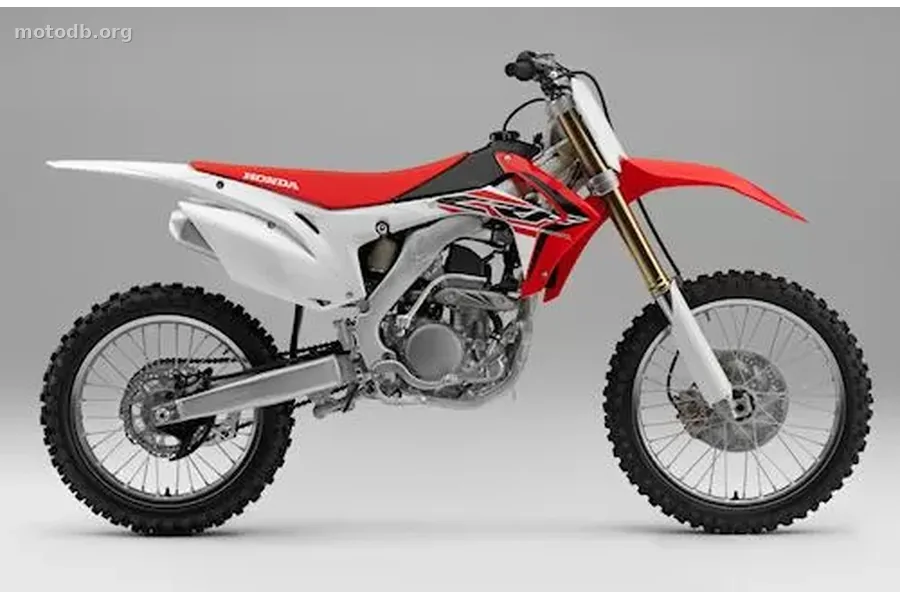
The aluminum twin-spar frame has undergone a serious weight reduction compared to previous generations. The slimmed-down spars shed 700 grams from the structure, and the redesigned subframe removed an additional 320. More importantly, lateral rigidity was reduced by 20% while torsional stiffness remains unchanged. The result is immediately felt in corners: the bike pivots with disconcerting ease, the front end tracks in effortlessly. The steeper 27.2-degree rake angle and the shortened 1,477 mm wheelbase confirm this focus on agility. Against the Yamaha YZ250F or the KTM 250 SX-F, the Honda CRF250R clearly plays the accessibility card. Where the KTM can prove sharper in suspension and the Yamaha more aggressive at high revs, the CRF banks on an overall balance that forgives riding mistakes. That's been its signature for years, and the 2024 version pushes this philosophy even further.
On the suspension side, Honda spared no expense. The 49 mm Showa inverted fork offers 310 mm of travel and derives directly from the factory kit supplied to official teams in the Japanese MX championship. Reworked hydraulic valving provides smoother action through corners, while the triple clamps gain flexibility to better absorb bumps. The rear shock follows the same logic with wider valving and a steel spring that's 120 grams lighter. The Pro-Link system adopts a new leverage ratio. The entire setup works in harmony with the chassis, and it's precisely this coherence that makes this machine so effective. You can feel that every component was designed in relation to the others, not in isolation.
The engine deserves a closer look. Compared to previous model years, Honda claims up to 10% more power and 15% more torque across the entire rev range. The airbox sees its capacity jump by 78% to reach 4.1 liters, the intake ports are reworked, and the injector angle changes from 30 to 60 degrees. The exhaust ditches the dual header in favor of a single pipe that saves 1.7 kg. The clutch receives an additional friction plate for a 4% reduction in lever effort and a 21% increase in durability. The five-speed gearbox is recalibrated with longer first and third gears, the others shortened. The result: the rider makes better use of each gear without constantly working the shifter. Three engine maps (Standard, Smooth, Aggressive) and a three-mode launch control round out the electronic arsenal, enough to adapt the machine to all profiles, from the beginner discovering motocross to the experienced rider aiming for the regional podium. Top speed sits around 120 km/h, comparable to what the Yamaha YZ250F offers in this displacement class.
Should you go for the 2024 Honda CRF250R? If you're looking for the easiest 250 motocross bike to ride well, the one that will make you a better rider without punishing every mistake, the answer is yes. It may not have the raw character of a KTM 250 SX two-stroke capable of flirting with 135 km/h, nor the fierce top-end hit of the YZ250F in the last few thousand revs. But its versatility, ease of use, and component quality make it a formidable choice for progressing. The difference with the CRF250F, often a source of confusion, is simple: the CRF250R is a pure competition machine, designed for the track, while the F is aimed at trail riding and recreation. With its Renthal Fatbar handlebar adjustable in four positions, Pirelli MX32 Midsoft tires, and 260 mm petal disc brake up front, the 2024 CRF250R proves that Honda knows how to build accessible race machines. That's its greatest quality, and probably the reason it remains a fixture in parc fermé every weekend.
Indicators & positioning
Similar bikes
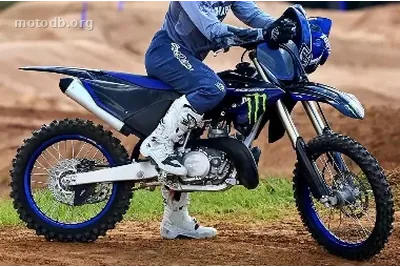
YZ 250 Monster Energy Edition
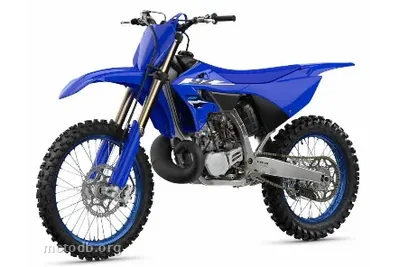
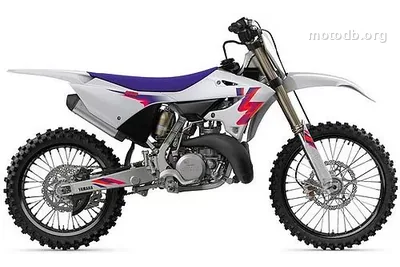
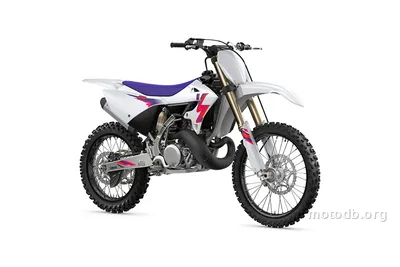
YZ 250 50eme anniversaire
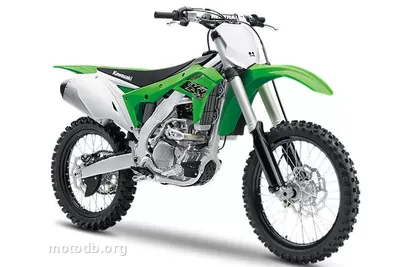
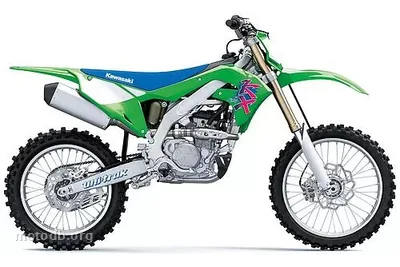
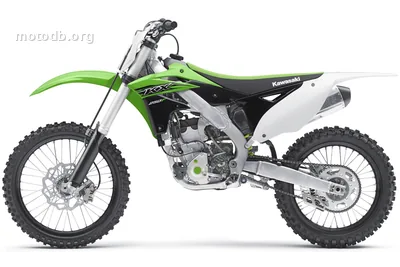
KX 250
Reviews & comments
No reviews yet. Be the first to share your opinion!