Key performance
Technical specifications
Engine
- Displacement
- 249 cc
- Power
- 46.0 ch (33.8 kW)
- Torque
- 20.0 Nm
- Engine type
- Monocylindre, 4 temps
- Cooling
- Liquid
- Compression ratio
- 13.9:1
- Bore × stroke
- 79.0 x 50.9 mm (3.1 x 2.0 inches)
- Valves/cylinder
- 4
- Camshafts
- 1 ACT
- Fuel system
- Injection Ø 44 mm
- Valve timing
- Double Overhead Cams/Twin Cam (DOHC)
- Ignition
- Full transistor
- Starter
- Electric
Chassis
- Frame
- Aluminium twin tube
- Gearbox
- 5-speed
- Final drive
- Chain (final drive)
- Clutch
- Multi plate wet clutch
- Front suspension
- 49mm leading-axle inverted Showa® SPG coil-spring fork with rebound- and compression-damping adjustability
- Rear suspension
- Pro-Link Showa single shock with spring preload, rebound- and compression-damping adjustability
- Front wheel travel
- 310 mm (12.2 inches)
- Rear wheel travel
- 312 mm (12.3 inches)
Brakes
- Front brakes
- Single disc. Two-piston calipers.
- Rear brakes
- Single disc
- Front tyre
- 80/100-21
- Front tyre pressure
- 1.00 bar
- Rear tyre
- 100/90-19
- Rear tyre pressure
- 1.00 bar
Dimensions
- Seat height
- 960.00 mm
- Wheelbase
- 1477.00 mm
- Ground clearance
- 333.00 mm
- Length
- 2177.00 mm
- Width
- 827.00 mm
- Height
- 1265.00 mm
- Fuel capacity
- 6.30 L
- Weight
- 104.00 kg
- New price
- 9 399 €
Overview
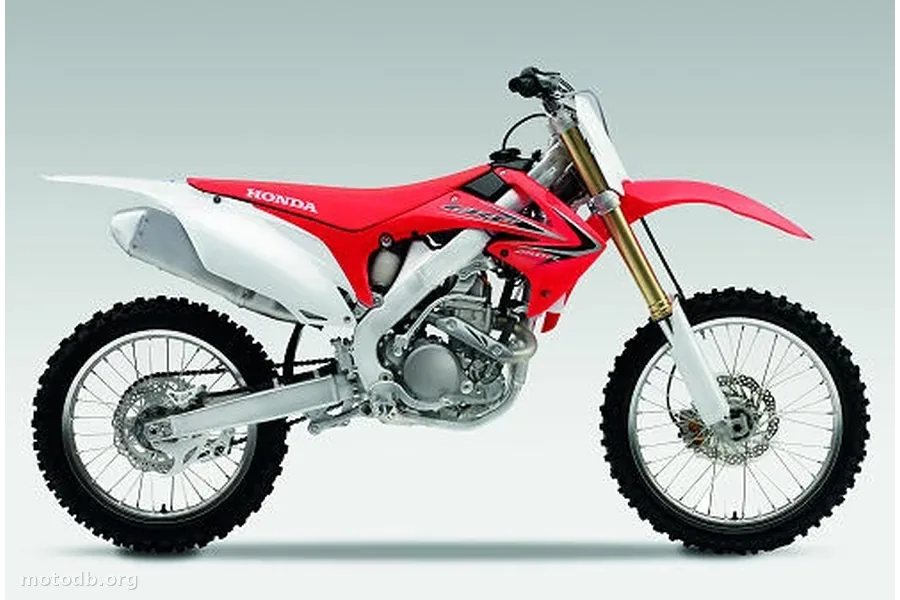
What separates a good 250 motocross bike from a machine capable of making you a faster rider? Often, three kilos and a few tenths of a second in weight transfers. The 2023 Honda CRF250R plays precisely on that ground. Carried over without major modifications from the 2022 model year, it sits on the platform inherited from the CRF 450 R that HRC developed for Tim Gajser and his two consecutive MXGP world titles. We're talking about a high-level genetic base, transposed onto a quarter-liter 4-stroke of 249.4 cc. For those wondering whether the Honda CRF250R is a 2-stroke, the answer is no: it's a DOHC single-cylinder four-stroke, with a 13.9:1 compression ratio and titanium valves. Nothing to do with the KTM 250 SX and its two-stroke power.
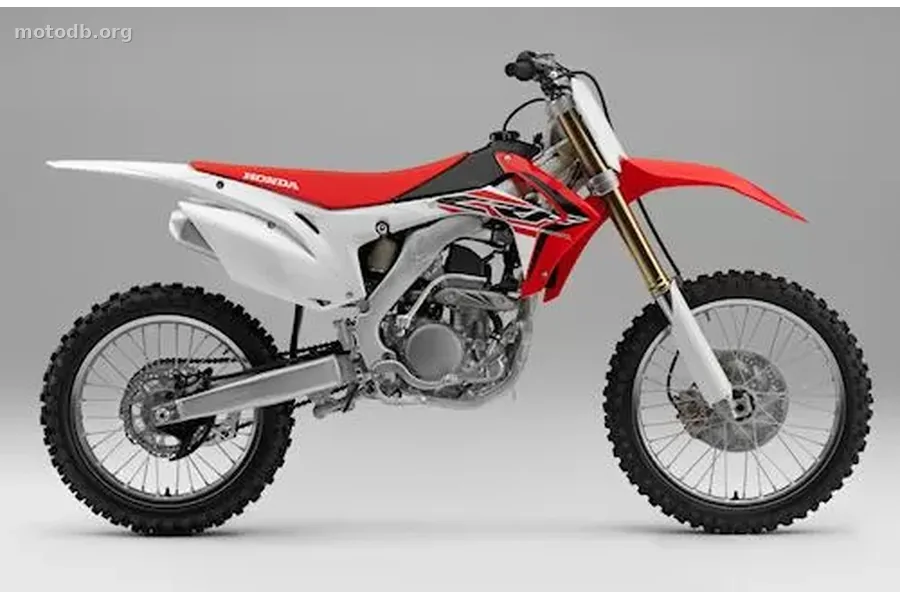
The twin-spar aluminum frame has been lightened by over a kilo compared to the previous generation, with lateral rigidity reduced by 20% to gain agility in direction changes. The result is felt from the very first wheel rotations: the CRF250R pivots with surgical precision, the compact 1477 mm wheelbase and tight 27.2° rake angle contributing to that feeling of lightness. At 104 kg wet on the scales, it ranks among the lightest in the segment against the Yamaha YZ250F or the Kawasaki KX250. The 960 mm seat height remains tall, but the rear section lowered by 10 mm makes it easier for the rider to move between bumps and ruts. On the suspension side, Honda spared no expense: the 49 mm Showa inverted fork with coil springs draws from Japanese factory kit technology, with travel extended to 310 mm. The Pro-Link rear shock benefits from wider shim stacks and a lighter steel spring. The whole setup is adjustable in compression and rebound, offering a sound base that each rider can fine-tune according to their weight and riding terrain.
Beneath the 6.3-liter titanium tank, the single-cylinder produces 46 horsepower and 20 Nm of torque. The raw numbers don't tell the whole story: Honda worked on the mid-range with an airbox enlarged by 78%, redesigned intake ports, and an injector angle changed from 30 to 60 degrees. The claimed gains reach 10% in power and 15% in torque across the entire curve. In practice, the engine responds sooner and pulls harder between corners without forcing you to juggle with the 5-speed gearbox. The single exhaust line, replacing the former dual system, saved 1.7 kg. The clutch gains an additional friction plate for a 4% reduction in lever effort and a 21% increase in durability — a point that riders in long motos will appreciate. In terms of top speed, the Honda CRF250R sits around 120 km/h, comparable to the Yamaha YZ250F on that criterion.
The electronics remain simple and functional. Launch Control offers three start modes calibrated between 8250 and 9500 rpm depending on rider level and track conditions. The EMSB engine map selector provides three engine settings, from mildest to most aggressive, accessible from the stock-fitted Renthal Fatbar handlebar. Braking relies on a twin-piston front caliper paired with a 260 mm petal disc — adequate without being the most aggressive on the gate. What's the difference between the Honda CRF250R and the CRF250F? The former is a pure MX competition machine, the latter a trail-oriented recreational bike with a far tamer character.
Priced at 9399 euros, the 2023 Honda CRF250R sits in the upper-mid range of the segment. It revolutionizes nothing compared to the 2022 model year, but the technical foundation remains solid and competitive. Its strength lies in a cohesive package where chassis, engine, and suspension work in concert. Intermediate to advanced riders will find a rideable and confidence-inspiring machine, capable of progressing with them. Beginners will have to contend with the seat height and raw power. Against competition from the Yamaha YZ250F or the KTM 250 SX-F, the Honda plays the card of ease of use rather than maximum power. A deliberate choice that, over the course of a race, often makes the difference.
Indicators & positioning
Similar bikes
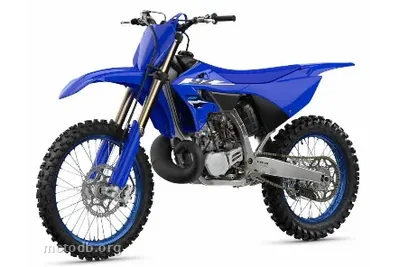
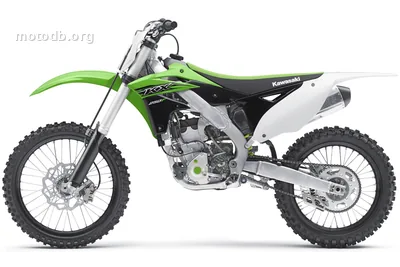
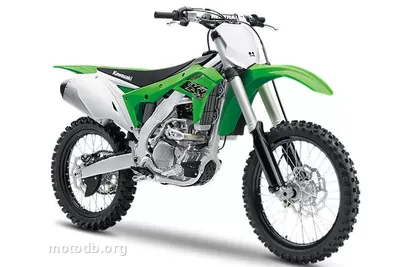
KX 250F
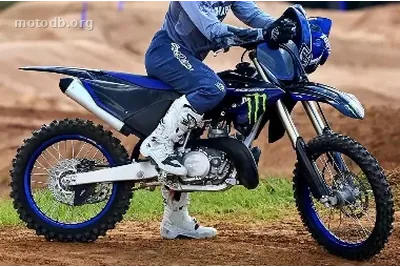
YZ 250 Monster Energy Edition
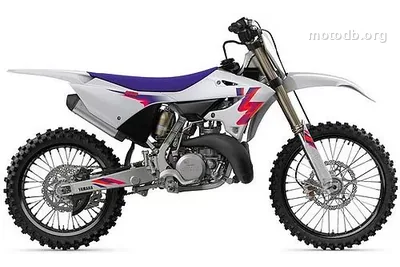
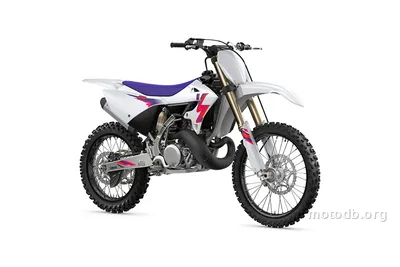
YZ 250 50eme anniversaire
Reviews & comments
No reviews yet. Be the first to share your opinion!