Key performance
Technical specifications
- Power
- 40.0 ch @ 11500 tr/min (28.8 kW) → 44.0 ch (32.4 kW)
- Torque
- 27.1 Nm @ 9000 tr/min → —
- Compression ratio
- 13.8:1 → 13.9:1
- Bore × stroke
- 76.8 x 53.8 mm (3.0 x 2.1 inches) → 79.0 x 50.9 mm (3.1 x 2.0 inches)
- Valve timing
- Single Overhead Cams (SOHC) → Double Overhead Cams/Twin Cam (DOHC)
- Starter
- Kick → Electric
- Front suspension
- 48mm inverted Showa cartridge fork with 16-position rebound and 16-position compression damping adjustability → 49mm fully adjustable leading-axle inverted telescopic Showa SPG coil-spring fork.
- Rear suspension
- Pro-Link® Showa single shock with spring preload, 17-position rebound damping adjustability, and compression-damping adjustment separated into low-speed (13 positions) and high-speed (3.5 turns); 12.3 inches travel → Pro-Link system; fully adjustable Showa single shock
- Front wheel travel
- 61 mm (2.4 inches) → 305 mm (12.0 inches)
- Rear wheel travel
- 61 mm (2.4 inches) → 315 mm (12.4 inches)
- Rear tyre
- 100/90-19 → 120/90-19
- Seat height
- 950.00 mm → 960.00 mm
- Wheelbase
- 1488.00 mm → 1481.00 mm
- Ground clearance
- 323.00 mm → 328.00 mm
- Length
- 2181.00 mm → 2182.00 mm
- Width
- 827.00 mm → 828.00 mm
- Height
- 1271.00 mm → 1275.00 mm
- Weight
- 104.80 kg → 108.00 kg
- New price
- 8 299 € → 8 799 €
Engine
- Displacement
- 249 cc
- Power
- 44.0 ch (32.4 kW)
- Engine type
- Single cylinder, four-stroke
- Cooling
- Liquid
- Compression ratio
- 13.9:1
- Bore × stroke
- 79.0 x 50.9 mm (3.1 x 2.0 inches)
- Valves/cylinder
- 4
- Camshafts
- 1 ACT
- Fuel system
- Injection. Dual-Timing Programmed Fuel Injection (PGM-FI), 46mm throttle body
- Valve timing
- Double Overhead Cams/Twin Cam (DOHC)
- Ignition
- Full transistor
- Starter
- Electric
Chassis
- Frame
- Aluminium twin tube
- Gearbox
- 5-speed
- Final drive
- Chain (final drive)
- Clutch
- Multi plate wet clutch
- Front suspension
- 49mm fully adjustable leading-axle inverted telescopic Showa SPG coil-spring fork.
- Rear suspension
- Pro-Link system; fully adjustable Showa single shock
- Front wheel travel
- 305 mm (12.0 inches)
- Rear wheel travel
- 315 mm (12.4 inches)
Brakes
- Front brakes
- Single disc. Two-piston calipers.
- Rear brakes
- Single disc
- Front tyre
- 80/100-21
- Rear tyre
- 120/90-19
Dimensions
- Seat height
- 960.00 mm
- Wheelbase
- 1481.00 mm
- Ground clearance
- 328.00 mm
- Length
- 2182.00 mm
- Width
- 828.00 mm
- Height
- 1275.00 mm
- Fuel capacity
- 6.28 L
- Weight
- 108.00 kg
- New price
- 8 799 €
Overview
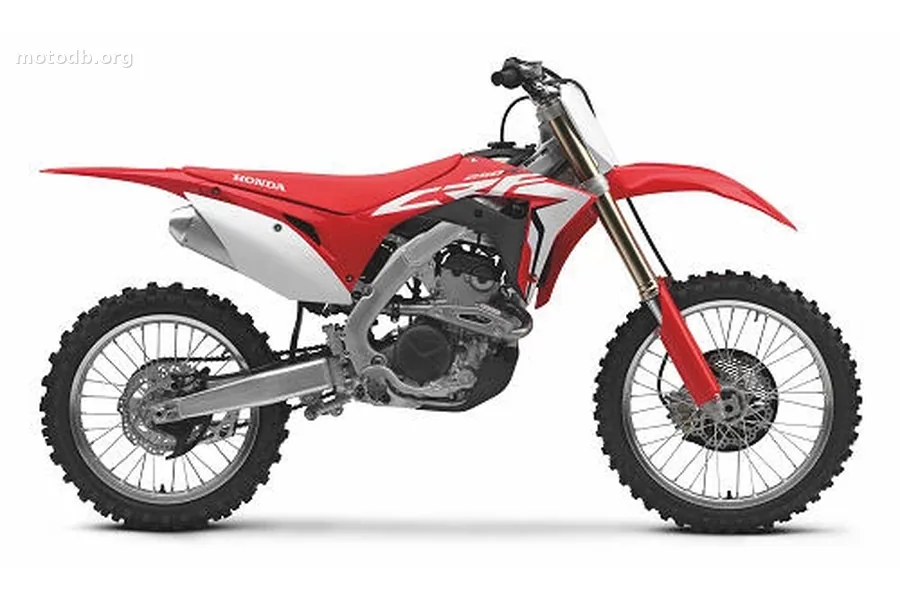
What drives Honda to completely redesign a quarter-liter that was already selling well? Pressure from the Yamaha YZ250F and the KTM 250 SX-F, plain and simple. In 2018, the Honda CRF250R gets a full makeover with a clear ambition: to stop settling for a supporting role in the MX2 category. The Japanese manufacturer chose the radical approach. Rather than tweaking what already existed, it delivers an entirely redesigned engine, a chassis inherited from the big sister 450, and a standard electric starter. All for a price of 8 799 euros, placing it in the upper-mid range of the segment. On paper, the package is enticing. On the track, the improvements are confirmed from the very first laps.
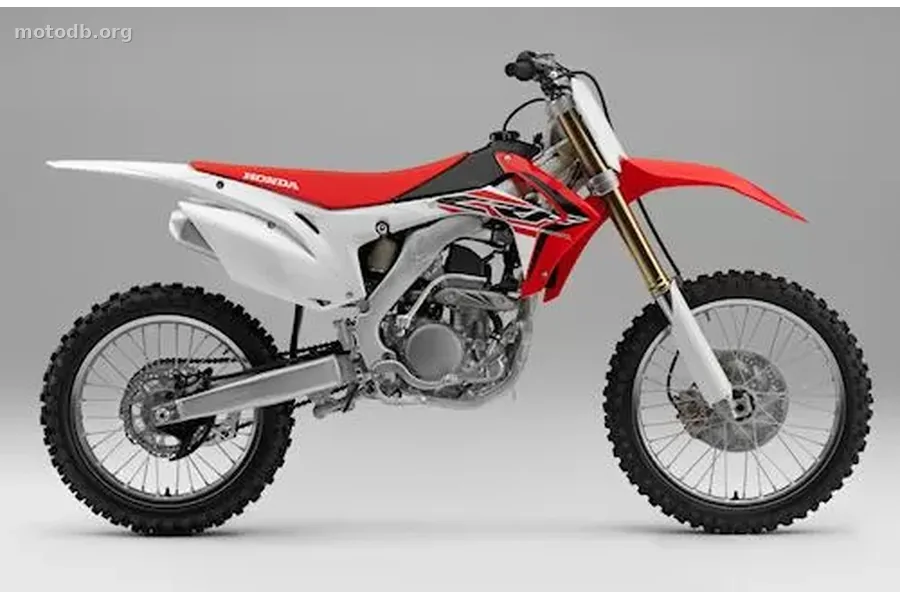
The heart of this revolution is the 249 cc single-cylinder 4-stroke. Yes, the Honda CRF250R is indeed a 4-stroke, contrary to what some believe when confusing it with the two-strokes from the old CR lineup. The engineers revisited the fundamental dimensions: a 79 mm bore with a 50.9 mm stroke, values significantly more over-square than the previous year. As a result, the titanium valves grow larger, cylinder filling improves, and the engine gains 9% more power across a broadened 2,000 rpm range. The claimed 44 horsepower doesn't tell the whole story: it's the way they're delivered that changes the game. From 8,500 rpm onward, the engine outclasses the old model and refuses to fade as the needle climbs. The crankshaft, lightened by 350 grams, brings a tangible responsiveness with every twist of the throttle. Three engine maps, from smooth to aggressive, allow the rider to adjust the response according to the terrain or personal preference. A real advantage for those who ride on varied surfaces.
On the chassis side, Honda made a bold choice: grafting the aluminum twin-spar frame from the CRF 450 R onto this 250. This seventh-generation chassis, 340 grams lighter, lowers the center of gravity and shortens the wheelbase to 1,481 mm. The difference from the CRF250F, geared toward recreational and trail riding, is immediately obvious: here, everything is designed for competition. The 49 mm Showa inverted coil-spring fork replaces the former SFF-TAC-Air, and this is no simple evolution. It is a derivative of the factory kit supplied to official teams in the Japanese MX championship. Fully adjustable in compression and rebound, it delivers precise and progressive ground feel. The rear Pro-Link shock, repositioned 39 mm lower, works with a lightened aluminum swingarm. At 108 kg wet with its 6.3-liter titanium fuel tank, the machine boasts a significantly improved power-to-weight ratio compared to 2017.
The braking gets the job done without frills: a 260 mm petal disc up front with a two-piston caliper, a 240 mm disc at the rear. Sufficient for MX, where engine braking plays an equally important role. The seat height perched at 960 mm and the ground clearance of 328 mm confirm the machine's purely competition-oriented purpose. This is not a bike for beginners, nor for Sunday joyrides. It is a racing tool designed for the rider looking to shave seconds in regional or national championships. On fast tracks, the Honda CRF250R tops out around 75 mph, neck and neck with the Yamaha YZ250F, even though the KTM 250 SX two-strokes retain a raw advantage in outright speed. The subsequent 2022, 2023, 2024, and 2025 updates to the Honda CRF250R have continued to refine this technical foundation, proof that the 2018 platform laid the groundwork in the right place.
The verdict is clear. With this overhaul, Honda stopped chasing the competition and pulled back level with the best Japanese and Austrian machines on the grid. The price remains steep, the tall seat rules out smaller riders, and maintaining this level of technology demands discipline and budget. But for the demanding MX rider seeking a reliable, precise, and aggressive 250 four-stroke out of corners, the 2018 CRF250R marks a true turning point in the recent history of the winged brand.
Indicators & positioning
Similar bikes
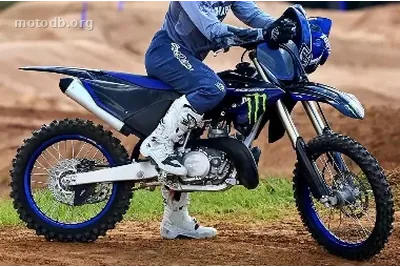
YZ 250 Monster Energy Edition
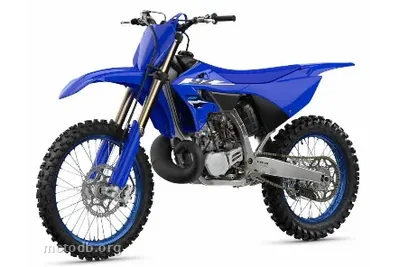
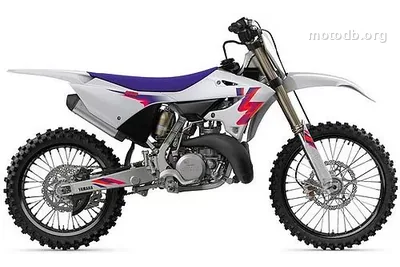
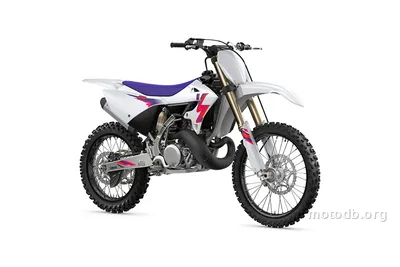
YZ 250 50eme anniversaire
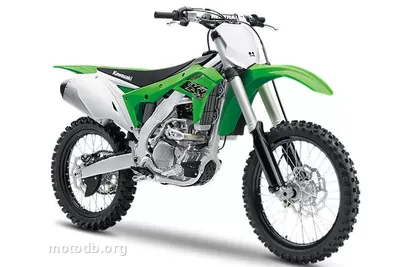
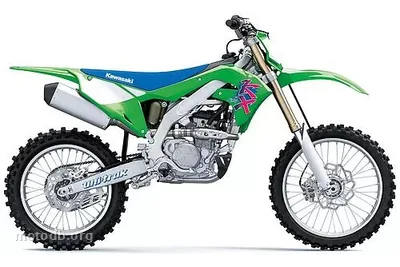
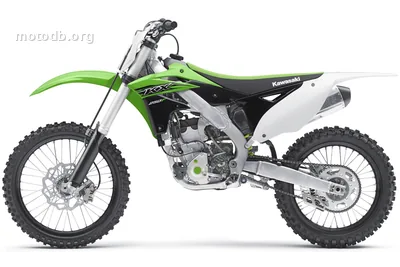
KX 250
Reviews & comments
No reviews yet. Be the first to share your opinion!