Key performance
Technical specifications
Engine
- Displacement
- 1923 cc
- Power
- 105.0 ch @ 5020 tr/min (77.2 kW)
- Torque
- 167.7 Nm @ 3500 tr/min
- Engine type
- Bicylindre en V à 45°, 4 temps
- Cooling
- par air
- Compression ratio
- 10.2 : 1
- Bore × stroke
- 103,5 x 114,3 mm
- Valves/cylinder
- 4
- Fuel system
- Injection
Chassis
- Frame
- Double berceau tubulaire en acier
- Gearbox
- boîte à 6 rapports
- Final drive
- Courroie
- Front suspension
- Fourche téléhydraulique inversée Ø 43 mm, déb : 130 mm
- Rear suspension
- Mono-amortisseur sous la selle, déb : 112 mm
Brakes
- Front brakes
- Freinage 2 disques Ø 300 mm, étrier 4 pistons
- Rear brakes
- Freinage 1 disque Ø 292 mm, étrier 2 pistons
- Front tyre
- 110/90-19
- Rear tyre
- 180/70-16
Dimensions
- Seat height
- 710.00 mm
- Fuel capacity
- 18.90 L
- Weight
- 308.00 kg
- Dry weight
- 295.00 kg
- New price
- 22 960 €
Overview
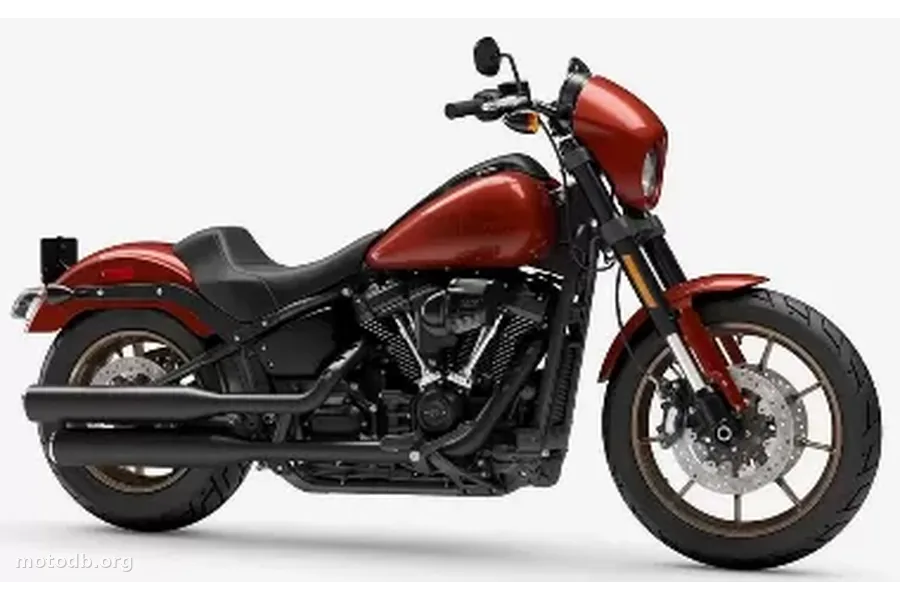
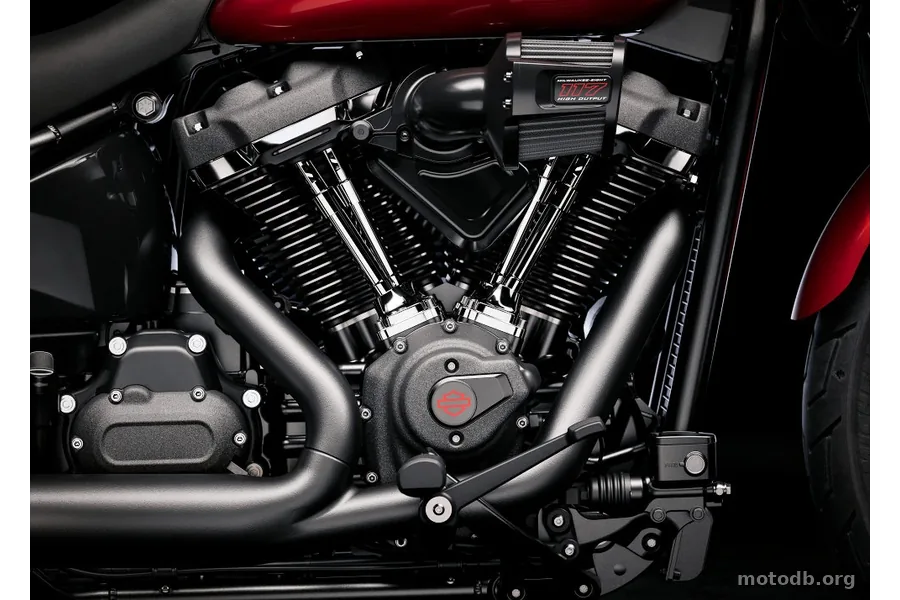
What drives Harley-Davidson to drop the engine from its most prestigious models into a cruiser built for a fight? The answer comes down to three figures: 1923 cc. With the 2024 Low Rider S FXLRS, Milwaukee pulls no punches. This 45° V-twin, dubbed the Milwaukee-Eight 117, was previously reserved for the CVO series — those chrome-draped Harleys sold at a premium. Finding it here, in a machine with a raw temperament and a seat perched just 710 mm off the ground, changes the game. We're talking 105 horsepower at 5020 rpm and, more importantly, 167.7 Nm of torque available from just 3500 rpm. At that point, the right grip becomes a catapult lever. Few customs can claim to offer such a power-to-weight ratio, even with 308 kg on the scales wet.
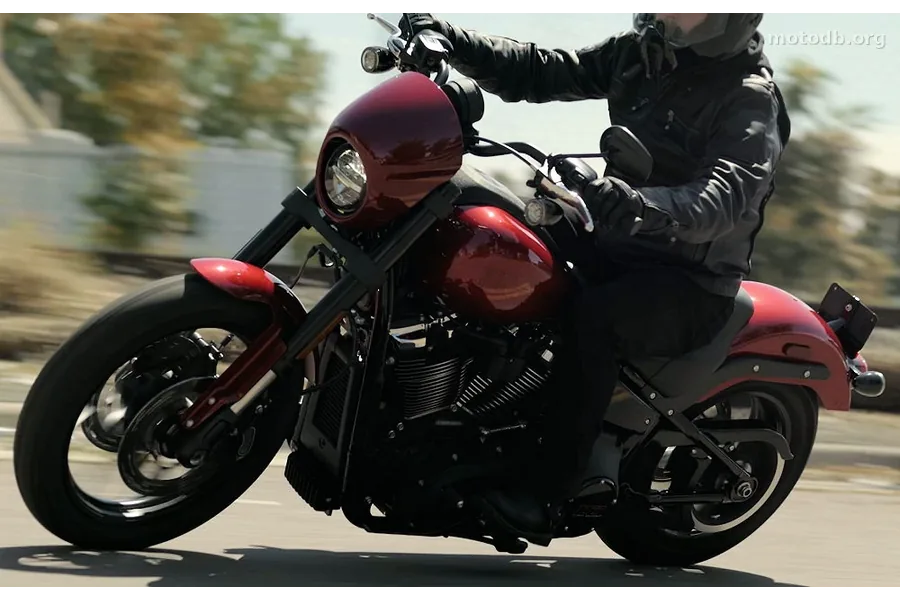
This third generation doesn't revolutionize the formula, it must be said. The jump from the first to the second iteration was far more radical, with the retirement of the Twin Cam, a new frame, and a complete overhaul of the chassis. Here, the evolution focuses on displacement and a few targeted but relevant adjustments. The Softail double-cradle frame stays on duty, paired with a 43 mm inverted fork offering 130 mm of travel and a mono-shock hidden beneath the seat. The latter has been lengthened compared to the previous model, slightly raising the rear of the machine. The benefit is threefold: a touch more comfort on rough roads, a hint of added agility on corner entry, and less critical ground clearance when you attack bends with conviction.
Braking relies on two 300 mm discs clamped by four-piston calipers up front, backed by a single 292 mm disc at the rear. It's adequate without being generous for a machine of this size, especially when you consider the asking price: €22,960. Against an Indian Sport Chief or a Triumph Rocket 3 R, the Low Rider S plays a different card — raw torque and attitude rather than technical sophistication. No electronic suspension here, no multiple riding modes. On the other hand, cruise control now comes as standard, and traction control can be added as an option. The bare minimum in electronics for 2024, but Harley has always cultivated this philosophy of just enough.
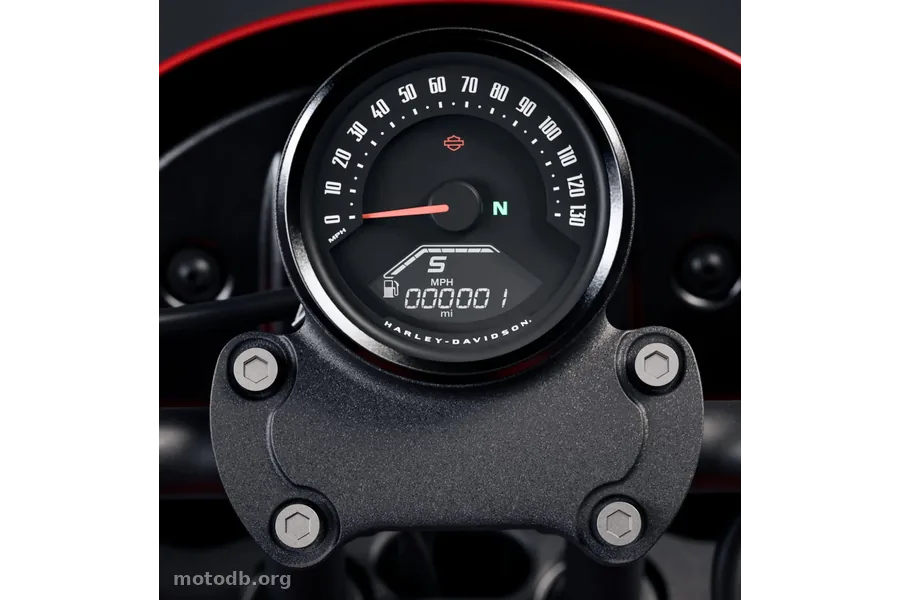
On the instrumentation side, the change is notable. The console that once sat atop the tank has given way to a simple FXLRS badge. All information migrates to a compact circular gauge cluster mounted on the handlebars, while lighting switches entirely to LED. The 18.9-liter tank demands regular stops if you ride hard, but the Low Rider S never claimed to be a tourer. Its 19-inch front and 16-inch rear wheels in a bronze finish, shod with 110/90 and 180/70 tires, betray its true calling: riding fast between traffic lights, laying down torque out of hairpins, and making the asphalt tremble beneath its exhaust pipes. The six-speed gearbox and belt drive ensure low-maintenance mechanicals, a good point for daily use.
Harley also offers an ST variant, geared toward touring with a fork-mounted fairing and saddlebags, for those who'd want to take this big twin out on the open road. But the Low Rider S in its naked form remains the more convincing of the two. It's aimed at experienced riders looking for a muscular cruiser, stripped of all excess, with an engine capable of reminding any sporty roadster that torque remains the best argument on the open road. Not a beginner's machine, not a track toy. A tool for raw, unfiltered pleasure that smells of hot tarmac and unapologetic mechanics.
Standard equipment
- Assistance au freinage : ABS de série
- Régulateur de vitesse
- Démarrage sans clé
Practical info
- La moto est accessible aux permis : A
Indicators & positioning
Similar bikes
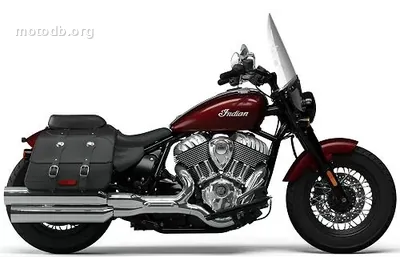
1890 Super Chief Limited / Dark Horse
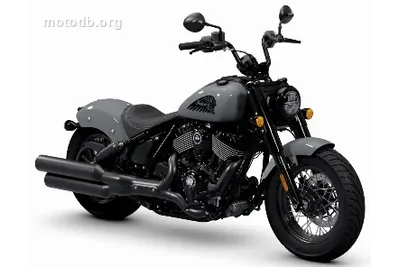
Chief Bobber Dark Horse
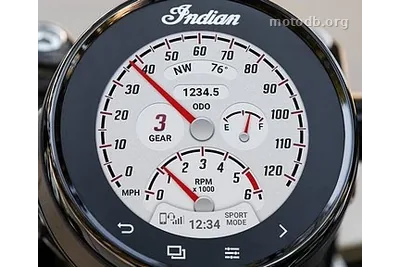
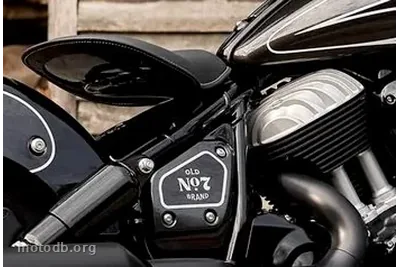
1890 Chief Bobber Dark Horse Jack Daniel's
Reviews & comments
No reviews yet. Be the first to share your opinion!