Key performance
Technical specifications
Engine
- Displacement
- 1923 cc
- Power
- 103.0 ch @ 5020 tr/min (75.8 kW)
- Torque
- 167.7 Nm @ 3000 tr/min
- Engine type
- Bicylindre en V à 45°, 4 temps
- Cooling
- par air
- Compression ratio
- 10.3 : 1
- Bore × stroke
- 103,5 x 114.3 mm
- Valves/cylinder
- 4
- Fuel system
- Injection
Chassis
- Frame
- Double berceau tubulaire en acier
- Gearbox
- boîte à 6 rapports
- Final drive
- Courroie
- Front suspension
- Fourche telescopique Ø 49 mm, déb : 130 mm
- Rear suspension
- Mono-amortisseur sous la selle, déb : 43 mm
Brakes
- Front brakes
- Freinage 1 disque Ø 300 mm, étrier 4 pistons
- Rear brakes
- Freinage 1 disque Ø 292 mm, étrier 2 pistons
- Front tyre
- 130/60-21
- Rear tyre
- 240/40-18
Dimensions
- Seat height
- 665.00 mm
- Fuel capacity
- 18.90 L
- Weight
- 309.00 kg
- New price
- 29 495 €
Overview
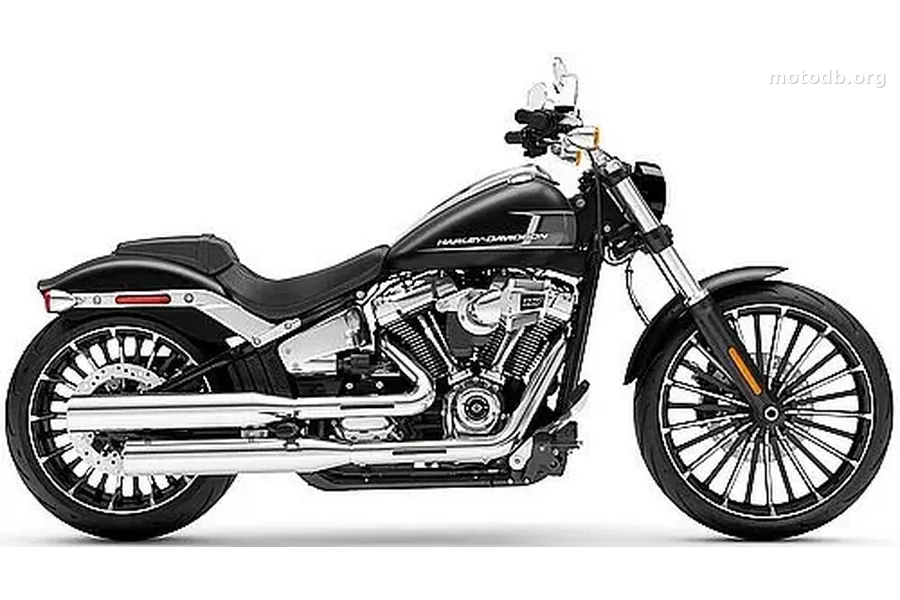
Who's still buying a custom motorcycle for nearly €30,000 in 2025? Breakout enthusiasts, apparently. And Harley-Davidson proves them right with this model year, which refines an already rich recipe. The Milwaukee Eight 117 V-twin, with its 1,923 cc displacement, receives a new air filter this year borrowed from the Touring lineup, a redesigned intake, and reworked cylinder heads. The result doesn't show in the raw numbers, since horsepower remains steady at 103 hp at 5,020 rpm. It's in the torque curve where the magic happens: the 167.7 Nm now arrives at just 3,000 rpm, a full 500 rpm lower than before. On a machine designed to devour asphalt in a straight line, this availability makes all the difference. Crack the throttle, the 240 mm rear tire bites the pavement, and the thrust is immediate. No need to chase revs — the big V-twin delivers its goods with the authority of a heavy-duty diesel.
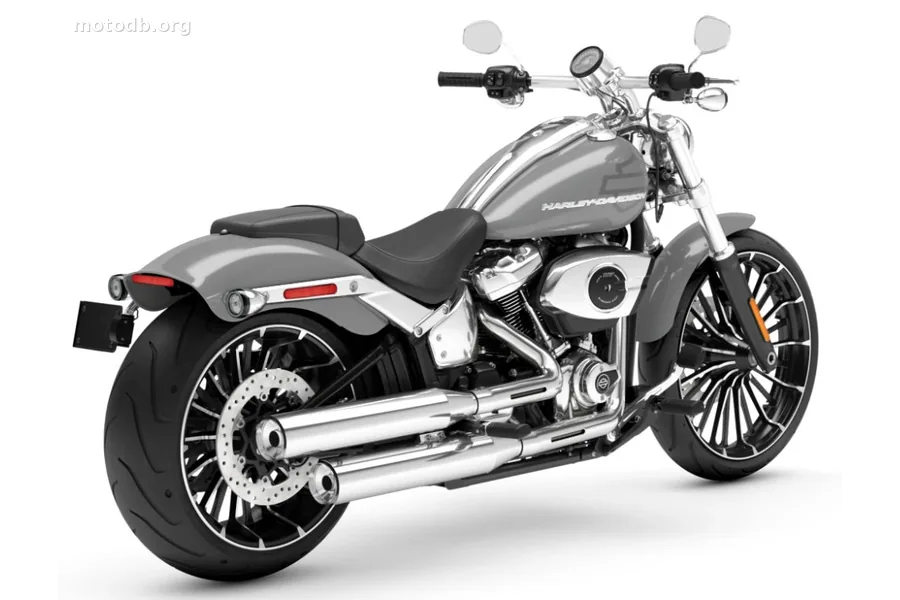
On the electronics front, the update is substantial. The 2025 Breakout inherits the complete package now standard across the entire Softail family: traction control, engine braking management, and ABS, all lean-angle sensitive. Three engine maps — Rain, Road, and Sport — let you adjust the character to suit your mood and the weather. A cruise control and a USB-C port round out the equipment. For a motorcycle that sells on style above all else, this injection of technology is welcome. It doesn't turn the Breakout into a connected grand tourer, but it makes it less rough around the edges for daily use. The instrument cluster has been redesigned and the switchgear modernized. The brake lever is finally adjustable, a detail that larger riders will appreciate.
Visually, the Breakout doesn't change its philosophy. It remains this modern interpretation of 1950s American dragsters, all length, pressed to the ground with its seat perched at just 665 mm. The headlight adopts a rounder, more classic design that contrasts with the oblong shape of the previous model. Chrome remains omnipresent, from the triple clamp to the mufflers to the side covers. The 18.9-liter tank imposes its muscular silhouette at the center of the machine. And then there's that unique visual signature: the 21-inch front wheel, almost delicate, facing the 18-inch rear hoop wrapped in its 240 mm tire. This deliberate imbalance between the two ends has defined the Breakout's character since its inception. You either accept it or move along.
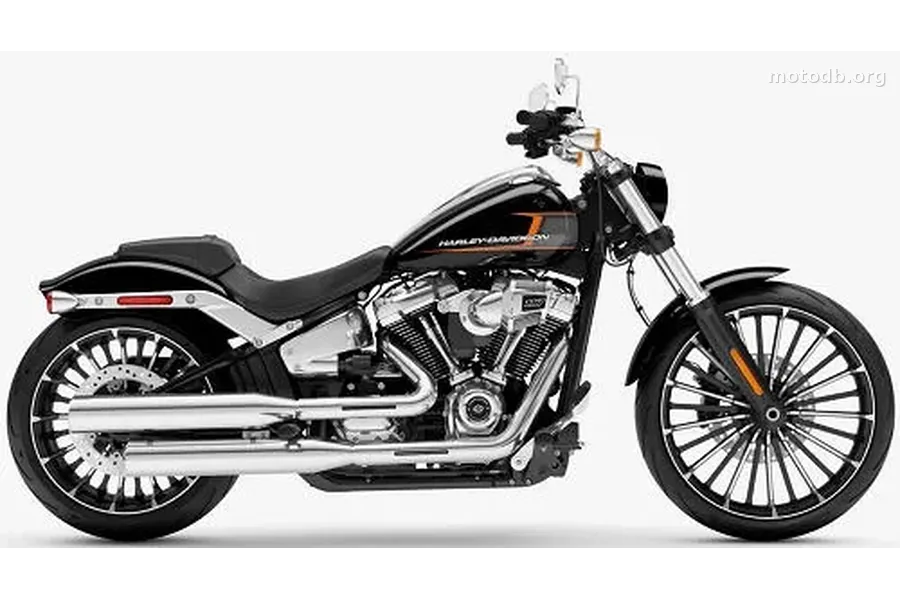
Because riding this machine remains an experience unto itself. The 309 kg wet weight makes itself known at the very first roundabout. The limited ground clearance demands planned riding. The 49 mm fork offers 130 mm of travel up front, but the rear mono-shock makes do with just 43 mm. On rough roads, your back pays the price. In the city, the turning radius requires patience. On the open road, however, settled into that feet-forward position, arms spread wide on the broad handlebars, the Breakout comes into its own. This is not a versatile motorcycle. It's a style object that happens to ride, a rolling sculpture for riders who place attitude above efficiency. Against an Indian Scout Bobber or a Triumph Rocket 3, the Breakout isn't playing the same game. It sells chrome-plated dreams, not knee-down lean angles.
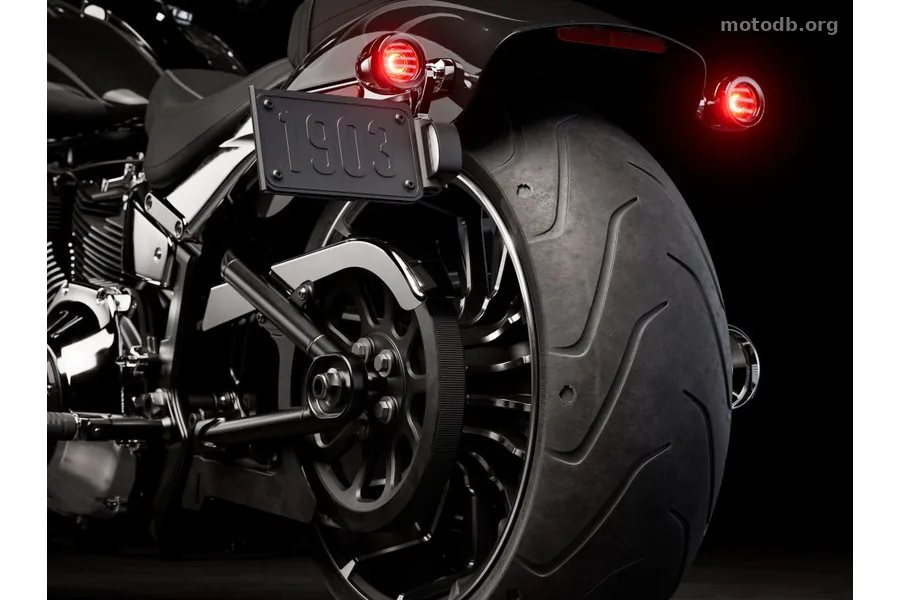
At €29,495, the entry price is steep. But Harley isn't targeting the undecided here. The Breakout is aimed at a clientele that knows exactly what it wants: a presence, a sound, a stance. For that audience, dynamic compromises are a footnote. The nearly two-liter V-twin rumbling between your legs, the chrome reflections in a café window, the silhouette impossible to mistake in a rearview mirror — that's what justifies the price tag. Harley knows it, and this 2025 version proves that the Milwaukee manufacturer still masters the art of selling character as much as engineering.
Standard equipment
- Assistance au freinage : ABS de série
- Nombre de mode de conduite : 3
- ABS Cornering
- Jantes aluminium
- Indicateur de vitesse engagée
- Régulateur de vitesse
- Prise USB
- Démarrage sans clé
- Contrôle de traction
- Contrôle du frein moteur
- Surveillance de la pression des pneus
Practical info
- La moto est accessible aux permis : A
Indicators & positioning
Similar bikes
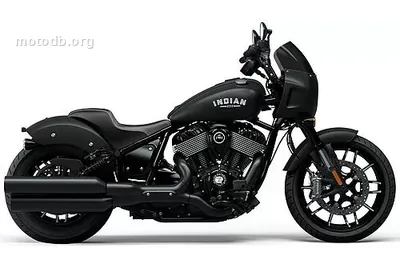
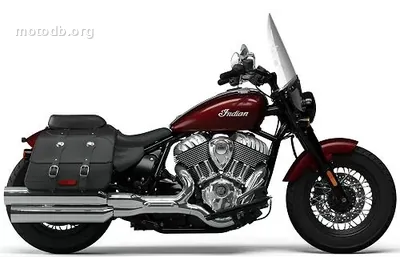
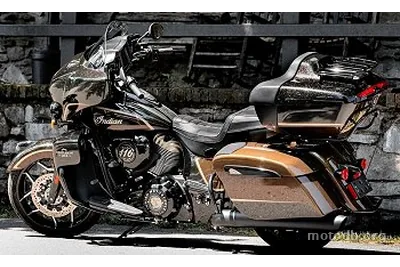
1890 Super Chief Limited / Dark Horse
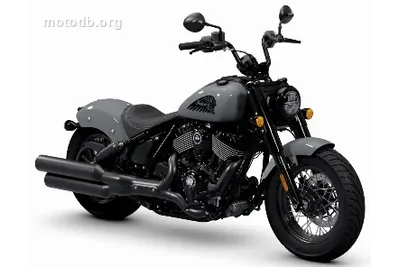
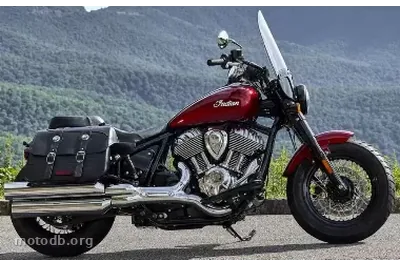
Chief Bobber Dark Horse
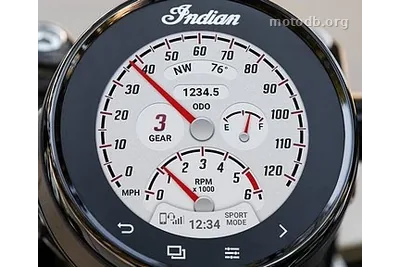
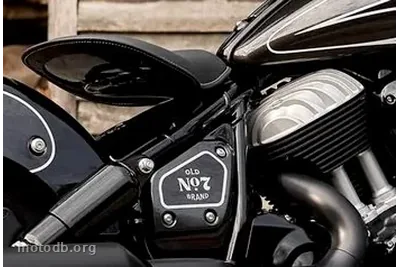
1890 Chief Bobber Dark Horse Jack Daniel's
Reviews & comments
No reviews yet. Be the first to share your opinion!