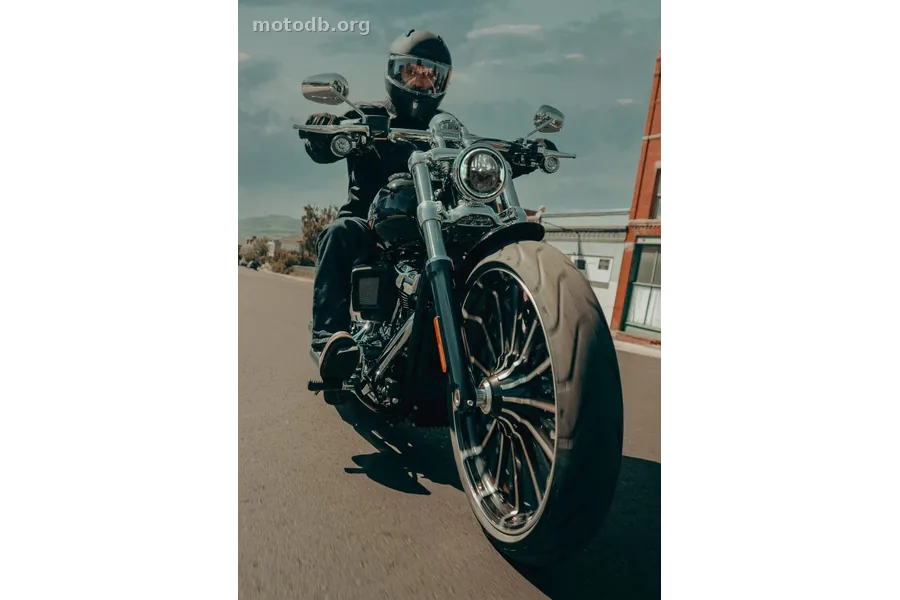
Key performance
Technical specifications
Engine
- Displacement
- 1923 cc
- Power
- 103.0 ch @ 5020 tr/min (75.8 kW)
- Torque
- 168.0 Nm @ 3000 tr/min
- Engine type
- Bicylindre en V à 45°, 4 temps
- Cooling
- par air
- Compression ratio
- 10.3 : 1
- Bore × stroke
- 103,5 x 114.3 mm
- Valves/cylinder
- 4
- Fuel system
- Injection
- Starter
- électrique
Chassis
- Frame
- Double berceau tubulaire en acier
- Gearbox
- boîte à 6 rapports
- Final drive
- Courroie
- Front suspension
- Fourche telescopique Ø 49 mm, déb : 130 mm
- Rear suspension
- Mono-amortisseur sous la selle, déb : 43 mm
Brakes
- Front brakes
- Freinage 1 disque Ø 300 mm, étrier 4 pistons
- Rear brakes
- Freinage 1 disque Ø 292 mm, étrier 2 pistons
- Front tyre
- 130/60-21
- Rear tyre
- 240/40-18
Dimensions
- Seat height
- 665.00 mm
- Seat type
- Selle biplaces
- Fuel capacity
- 18.90 L
- Weight
- 309.00 kg
- New price
- 28 290 €
Overview
Who still buys a custom for €28,290 in 2026, when the market is overflowing with hyper-electronic adventure bikes and roadsters as sharp as blades? Breakout enthusiasts, that's who. This 2026 Harley-Davidson Softail Breakout FXBR isn't trying to please everyone. It's aimed at those who want to ride with arms stretched out, hips planted 665 mm off the ground, with a nearly two-liter V-twin rumbling between their legs. It's a radical, unapologetic choice, and that's precisely what makes it compelling.
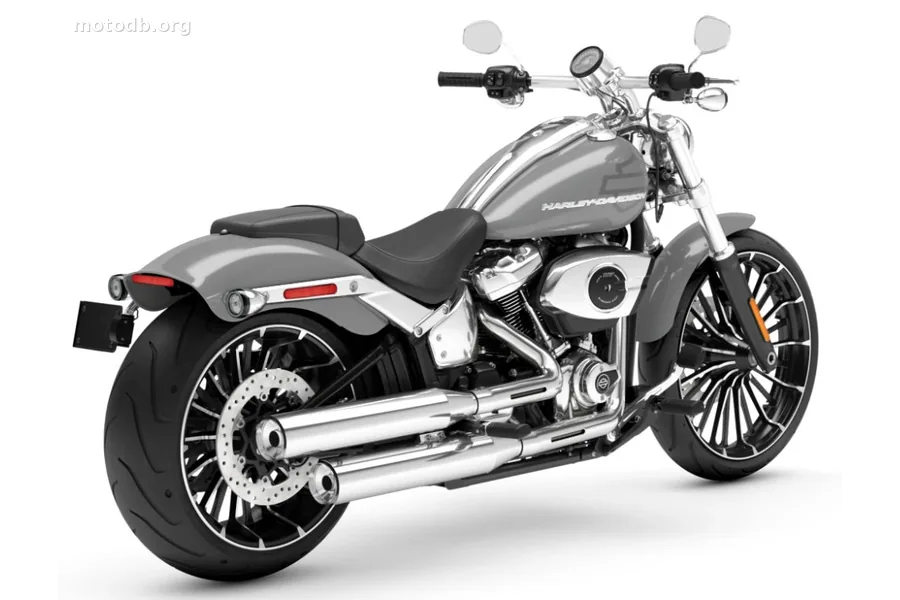
This year, Milwaukee got its hands back into the engine. The 45-degree V-twin displacing 1,923 cc, dubbed the Milwaukee Eight 117, benefits from reworked cylinder heads, a revised intake, and an air filter borrowed from the Touring lineup. The results show up on the torque curve rather than on the raw power spec sheet. The 168 Nm now arrive from just 3,000 rpm — 500 revs lower than before. Power climbs a notch to 103 hp, measured at 5,020 rpm. It's no revolution on paper, but on the road, feeling that wall of torque available so early changes the game. You can pick up speed with a whiff of throttle in third where you used to have to downshift. The Breakout doesn't chase revs — it crushes the asphalt from down low.
On the electronics front, the update is substantial. Traction control, engine brake management, and cornering ABS come standard across the entire Softail range, Breakout included. Three riding modes — Rain, Road, and Sport — let you adjust the V-twin's response to conditions. A cruise control, a USB-C port, and a redesigned gauge cluster round out the package. Among competitors, the Indian Scout Bobber and the Triumph Rocket 3 R have been offering this level of rider assistance for some time. Harley is catching up, but we're not going to complain about progress. The headlight adopts a rounder, more classic design that breaks with the somewhat oddly oblong shape of the previous model. The switchgear is new, and the brake lever is now adjustable. Nothing visually spectacular, but details that matter in daily use.
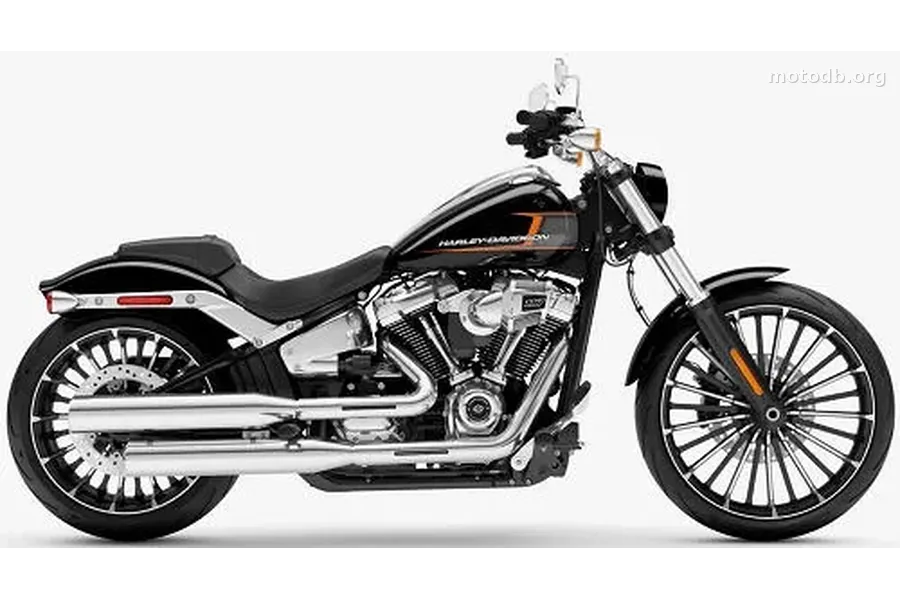
Then there's the Breakout's central question, the one that has divided opinion since its debut as a CVO version in 2012 and then as a standard model from 2013 onward: can you actually live with this motorcycle day to day? The 240 mm rear tire paired with a 130/60-21 front creates a deliberate visual imbalance inherited from 1950s California dragsters. It's spectacular standing still. In motion, it's another story. Ground clearance remains skeletal, the suspension offers limited travel (130 mm at the front, 43 mm at the rear with the mono-shock hidden under the seat), and the 309 kg wet weight makes itself known in every hairpin. The 18.9-liter tank demands frequent stops if you have a heavy hand. Top speed caps out at 180 km/h, which is nothing to be ashamed of for a machine this size, but confirms that the Breakout's playground is the straight line and cruising, not mountain carving.
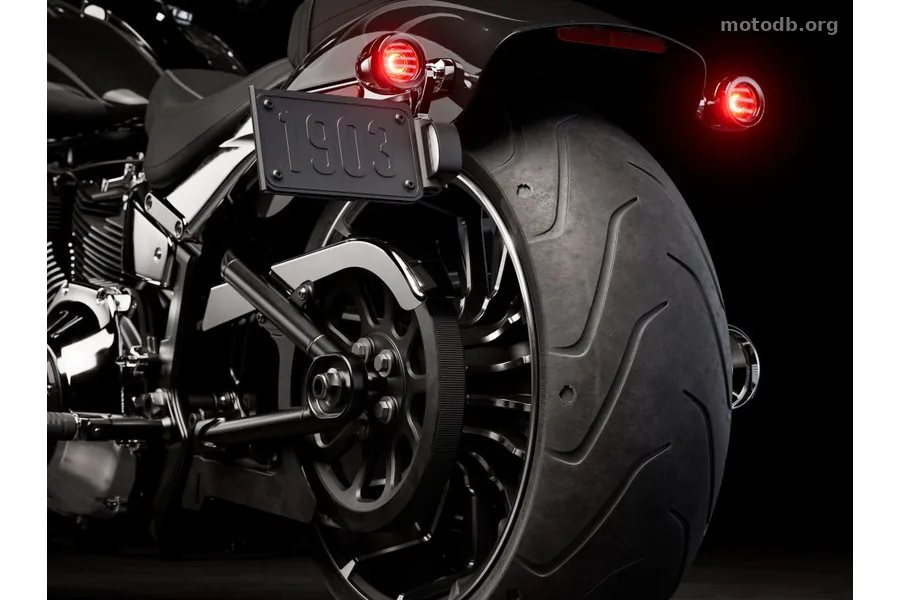
The 2026 Breakout remains a motorcycle of conviction. You buy it for the stance, for the deep rumble of the V-twin at low revs, for the chrome covering the engine, the mufflers, the triple clamp, and the side covers. You buy it for the stares it draws and for that unique sensation of riding a street-legal dragster. At €28,290, the price tag stings, especially compared to an Indian Sport Chief that plays in the same league with a more agile chassis. But Harley doesn't just sell a motorcycle. It sells a character. And the Breakout, with its 26-spoke aluminum wheels and its license plate offset to the left flank, remains the most theatrical of the troupe.
Standard equipment
- Assistance au freinage : ABS de série
- Nombre de mode de conduite : 3
- ABS Cornering
- Jantes aluminium
- Indicateur de vitesse engagée
- Régulateur de vitesse
- Prise USB
- Démarrage sans clé
- Contrôle de traction
- Contrôle du frein moteur
- Surveillance de la pression des pneus
Practical info
- La moto est accessible aux permis : A
- Pays de fabrication : Etats-Unis
Indicators & positioning
Similar bikes
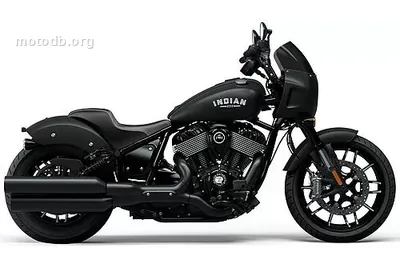
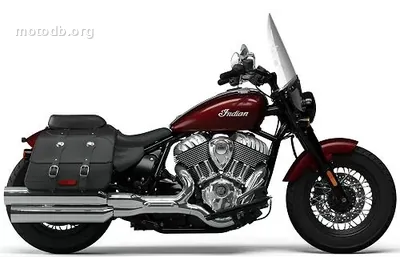
1890 Super Chief Limited / Dark Horse
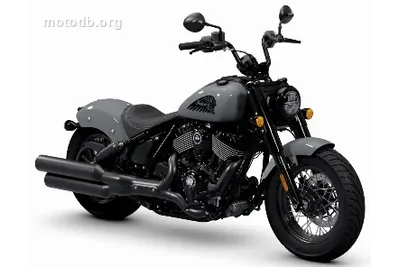
Chief Bobber Dark Horse
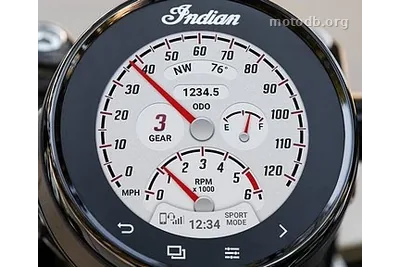
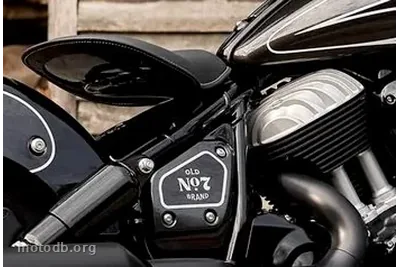
1890 Chief Bobber Dark Horse Jack Daniel's
Reviews & comments
No reviews yet. Be the first to share your opinion!