Key performance
Technical specifications
Engine
- Displacement
- 1170 cc
- Power
- 125.0 ch @ 7750 tr/min (91.2 kW)
- Torque
- 125.0 Nm @ 6500 tr/min
- Engine type
- Two cylinder boxer, four-stroke
- Cooling
- Liquid
- Compression ratio
- 12.5:1
- Bore × stroke
- 101.0 x 73.0 mm (4.0 x 2.9 inches)
- Valves/cylinder
- 4
- Fuel system
- Injection. Digital engine management with electronic fuel injection
- Valve timing
- Double Overhead Cams/Twin Cam (DOHC)
- Lubrication
- Wet sump
- Starter
- Electric
Chassis
- Frame
- Two-section frame, front- and bolted on rear frame, load-bearing engine
- Gearbox
- 6-speed
- Final drive
- Shaft drive (cardan) (final drive)
- Clutch
- Wet eight-disc clutch with anti-hopping function, hyrdaulically operated
- Front suspension
- Upside-down telescopic fork, diameter 45 mm, travel 140 mm, silver-anodized
- Rear suspension
- BMW Motorrad EVO Paralever
- Front wheel travel
- 140 mm (5.5 inches)
- Rear wheel travel
- 140 mm (5.5 inches)
Brakes
- Front brakes
- Double disc. ABS. Four-piston calipers.
- Rear brakes
- Single disc. ABS. Floating disc. Two-piston calipers.
- Front tyre
- 120/70-ZR17
- Rear tyre
- 180/55-ZR17
Dimensions
- Seat height
- 820.00 mm
- Wheelbase
- 1527.00 mm
- Length
- 2202.00 mm
- Width
- 925.00 mm
- Height
- 1250.00 mm
- Fuel capacity
- 18.00 L
- Weight
- 236.00 kg
Overview
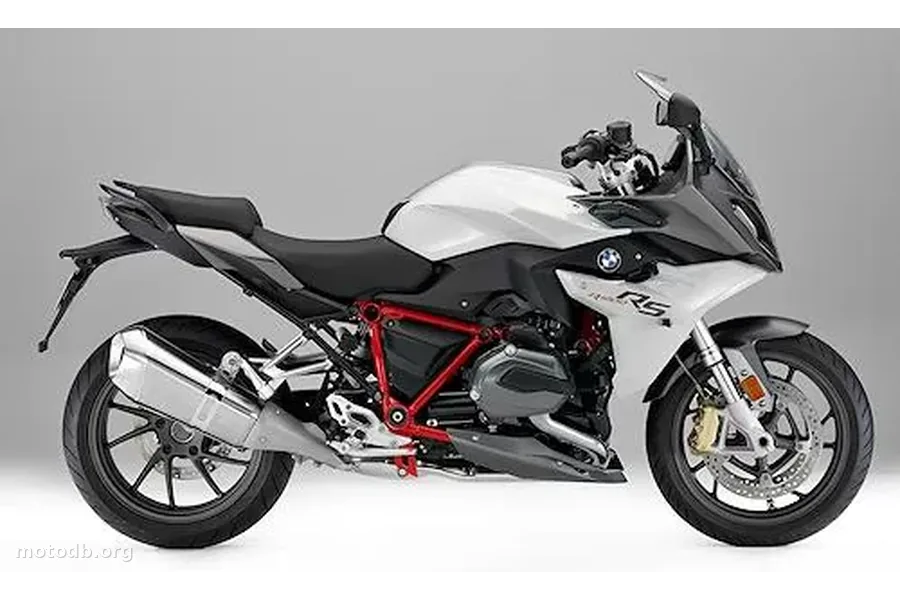
When Munich revives a legendary name, the gamble is risky. The RS had disappeared from the BMW catalog since the ephemeral R 1200 ST, a machine whose awkward lines and cyclops-like appearance had precipitated its premature retirement. Its return, in the wake of the liquid-cooled boxer introduced on the GS, was enough to surprise. Ten years of silence, thirty extra horsepower on the meter, and a completely revised philosophy: the BMW R 1200 RS returns with its noble letters and a silhouette that, this time, aesthetically holds the road.
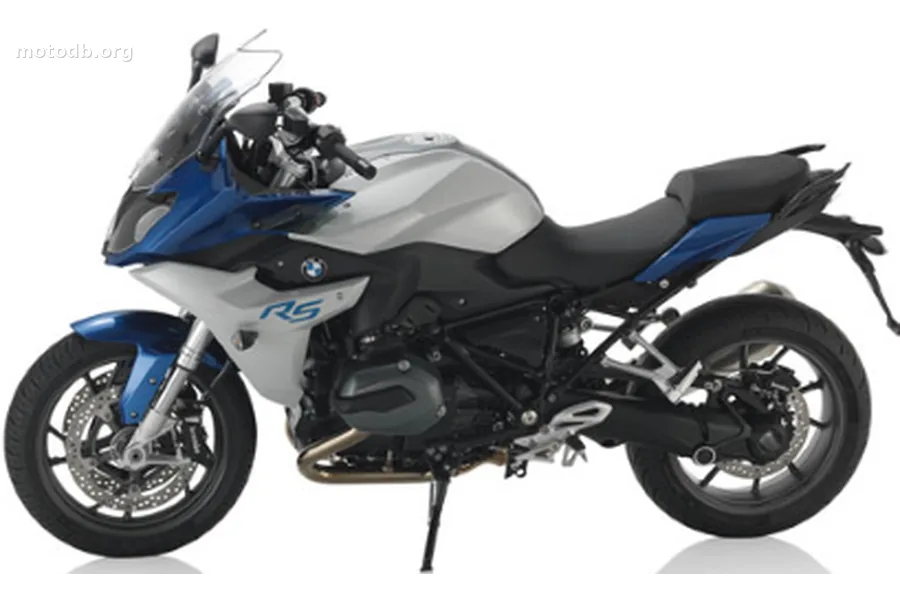
The engine is the heart of the matter. This 1170 cc flat twin represented a real departure for the brand, abandoning air-cooled cylinder heads in favor of a liquid circuit, with a separate 6-speed gearbox and a multi-disc clutch bathed in oil. On paper, 125 horsepower at 7750 rpm and 125 Nm at 6500 rpm, identical to those of the GS or the RT. BMW did not seek to differentiate the RS by brute power, but by managing low-end torque, thanks to specific intake and exhaust components. The result is a more generous torque curve from low rpm, which allows you to forget the 236 kg on the scale with a certain ease. By comparison, a Honda VFR 800 or a Triumph Sprint have slimmer profiles, but the RS compensates with this constant flow of available torque, without having to seek high revs.
The BMW R 1200 RS test reveals another technical peculiarity that is not overlooked at the front: an inverted 45 mm diameter fork, borrowing its stylistic references from the S 1000 RR. For a brand steeped in its Telelever for decades, this is a notable shift in direction. At the rear, the Paralever EVO perpetuates the Bavarian tradition, combining a swingarm and a shaft drive with recognized efficiency. The braking system also steps up a grade, with radial Brembo four-piston calipers on 320 mm discs, backed up by a 276 mm rear disc. The switchable ABS completes a convincing system, reinforced since 2017 by optional ABSPro, capable of modulating its intervention based on the lean angle. Those looking for a BMW R 1200 RS used will find on the market 2016, 2017 or 2018 models with varying levels of equipment depending on the chosen packs.
The electronics, just so, deserve to be lingered on. As standard, the RS features ABS, traction control ASC, and two riding modes Road and Rain. With the Modes Pro pack, you move to DTC, more responsive, and two additional modes are added, including a User fully customizable. Shifter Pro allows gear changes without clutch action, in both directions. ESA Dynamic suspension adjusts automatically based on the road and riding style, taking into account the selected mode. It’s well done, sophisticated, and places the BMW R 1200 RS 2018 very high in its segment. The displayed new price of €14,650 positions the machine in the upper echelon of sport touring motorcycles. A consistent price, provided you accept that the center stand, heated grips, or saddlebag supports remain on the options list. For a machine presented as tailored for long journeys, this commercial choice is debatable.
The target audience is that of the seasoned globetrotter who wants more involvement than the RT without making the concessions of a pure sportbike. The riding position, slightly tilted forward, favors contact with the front end without brutalizing the back over time. Based on BMW R 1200 RS reviews consulted after a few years of use, it is precisely this compromise that owners retain. The BMW R 1200 RS price is justified by the density of technology on board, even if the options list can make the final bill rise considerably. Those who hesitate between a new model and a BMW R 1200 RS used will be interested in checking the mounted packs, as the differences in behavior between a stripped-down version and a full-option machine can be significant.
Indicators & positioning
Similar bikes
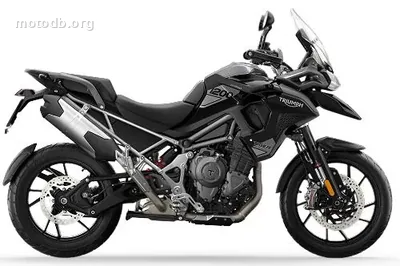
Tiger 1200 GT Pro
Tiger 1200 Desert Edition
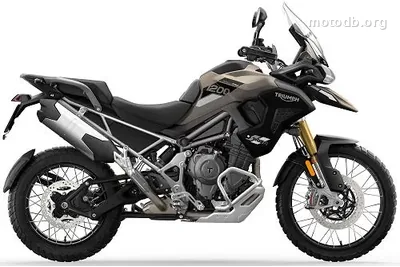
Tiger 1200 Rally Pro
Tiger 1200 Alpine Edition
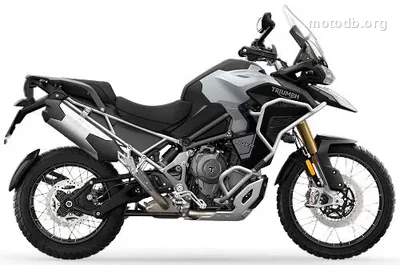
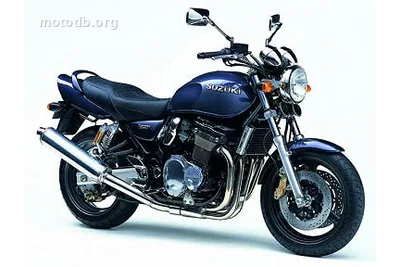
Reviews & comments
No reviews yet. Be the first to share your opinion!