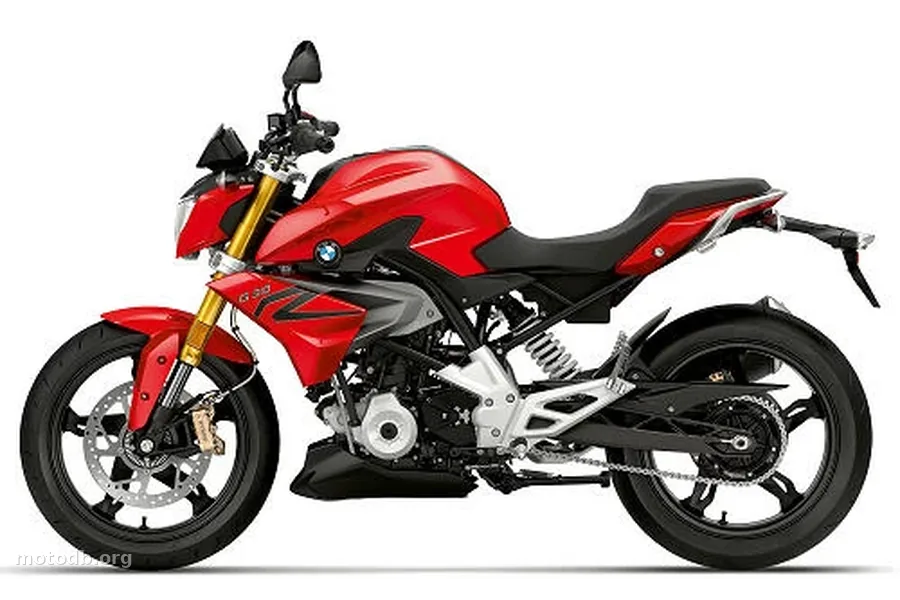
Key performance
Technical specifications
Engine
- Displacement
- 313 cc
- Power
- 34.0 ch @ 9500 tr/min (24.8 kW)
- Torque
- 28.0 Nm @ 7500 tr/min
- Engine type
- Single cylinder, four-stroke
- Cooling
- Liquid
- Compression ratio
- 10.6:1
- Bore × stroke
- 80.0 x 61.1 mm (3.1 x 2.4 inches)
- Valves/cylinder
- 4
- Camshafts
- 2 ACT
- Fuel system
- Injection. Electronic fuel injection, BMS-E2
- Valve timing
- Double Overhead Cams/Twin Cam (DOHC)
- Lubrication
- Dry sump
- Starter
- Electric
Chassis
- Frame
- Bolted steel frame, drive unit load-bearing, tubular steel rear frame.
- Gearbox
- 6-speed
- Final drive
- Chain (final drive)
- Clutch
- Multiple-disc clutch in oil bath, mechanically operated
- Front suspension
- Upside down fork , Ø 41 mm
- Rear suspension
- Solid die-cast aluminum swingarm, directly hinged monoshock, adjustable preload
Brakes
- Front brakes
- Single disc. ABS
- Rear brakes
- Single disc. ABS.
- Front tyre
- 110/80-R17
- Front tyre pressure
- 2.20 bar
- Rear tyre
- 160/60-R17
- Rear tyre pressure
- 2.30 bar
Dimensions
- Seat height
- 785.00 mm
- Wheelbase
- 1374.00 mm
- Length
- 2005.00 mm
- Width
- 820.00 mm
- Height
- 1080.00 mm
- Fuel capacity
- 11.00 L
- Weight
- 158.80 kg
- New price
- 5 090 €
Overview
When Munich decides to move downmarket, it doesn’t go unnoticed. For decades, BMW Motorrad has built its reputation on generous displacements, muscular roadsters, and intercontinental touring machines. Then came the BMW G 310 R, the first small-displacement naked to bear the blue and white badge in the modern era. A strategic gamble as much as a statement of intent: the global 300 cm3 market is too enormous to be ignored.
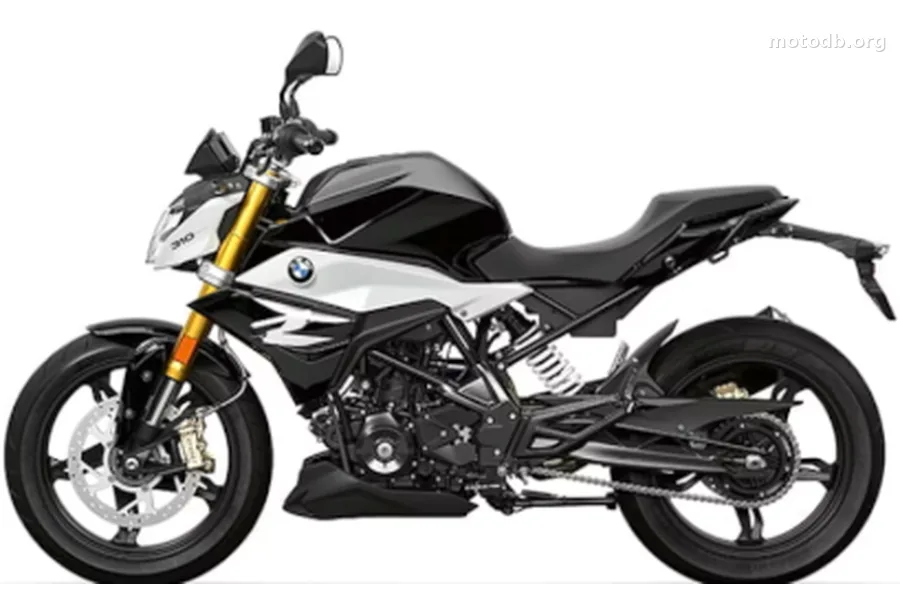
This 313 cm3 single-cylinder engine hides a technical particularity that few competitors can claim. The engine is tilted rearward, the cylinder head inverted compared to classic configurations: intake is on the front side, exhaust on the rear. Yamaha explored this path on its cross machines, BMW takes it up here to optimize thermal management and the center of gravity. A bore of 80 mm for a stroke of 61.1 mm defines a resolutely high-revving character, confirmed by a peak power output at 9500 rpm for 34 horsepower and 28 Nm of torque at 7500 rpm. Correct figures on paper, but which reveal a real deficit compared to the KTM 390 Duke, a direct rival that boasts ten horsepower more for a lower weight. The BMW G 310 R displays 158.8 kg fully fueled, against less than 150 kg for the Austrian machine.
The comparison with the 390 Duke is inevitable, and it is instructive. Both machines target the same audience, the same age, sometimes the same license. But their personalities clearly diverge. The KTM plays aggression, a nervous chassis, ergonomics tailored for pure pleasure. The BMW G 310 R adopts a different posture: more composed, better finished in its details, with an inverted 41 mm fork, a preload-adjustable mono shock, a die-cast aluminum swingarm, and front calipers signed Bybre, a Brembo subsidiary. ABS is standard. For a machine assembled in India by TVS Motor Company, the level of equipment lives up to its promises. It’s not disguised low-cost, even if the outsourced production raises legitimate questions about the long term.
The BMW G 310 R price is set at 5090 euros at launch, positioning it in a delicate area of the French market. The Yamaha MT-03, the Honda CB 300 R, the 390 Duke: the competition is dense, well established, and sometimes less expensive. The seat height at 785 mm remains accessible for a wide range of builds, the 11-liter tank proves just right for range, but the announced consumption of 3.33 liters per 100 km partially compensates for this compact format. The maximum speed is capped at 143 km/h, sufficient for daily use and secondary roads, without any highway pretensions.
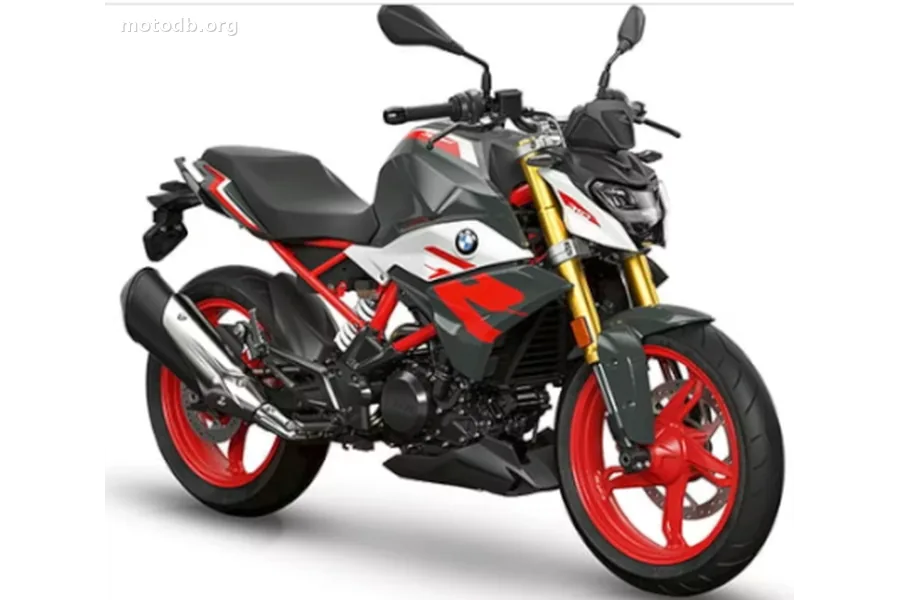
The target audience is clearly identifiable: a young A2 license holder looking for a first motorcycle with a brand pedigree, an urban driver who wants reliability without sacrificing style, or a rider returning to the road gently. For these profiles, the BMW G 310 R used model is beginning to represent a serious option, especially since the 2019, 2020, 2021 and 2022 models have refined the proposition without overturning the fundamentals. The real question remains that of value for money in new condition, where Japanese and Austrian competition continues to weigh heavily in the balance. Munich has put a foot in the courtyard of the small displacements. The rest belongs to the buyers.
Standard equipment
- Assistance au freinage : ABS de série
Practical info
- La moto est accessible aux permis : A
Indicators & positioning
Similar bikes
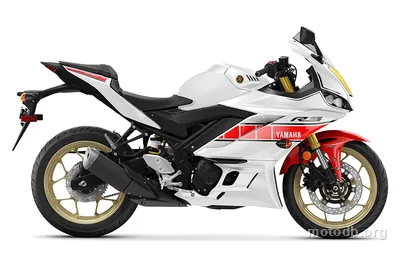
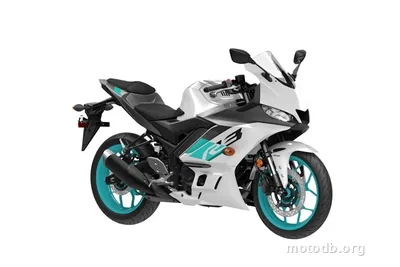
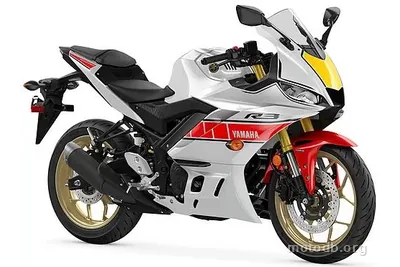
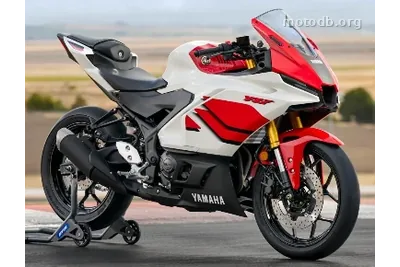
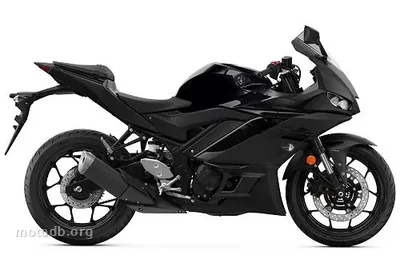
R3 World GP 60th Anniversary
Reviews & comments
No reviews yet. Be the first to share your opinion!