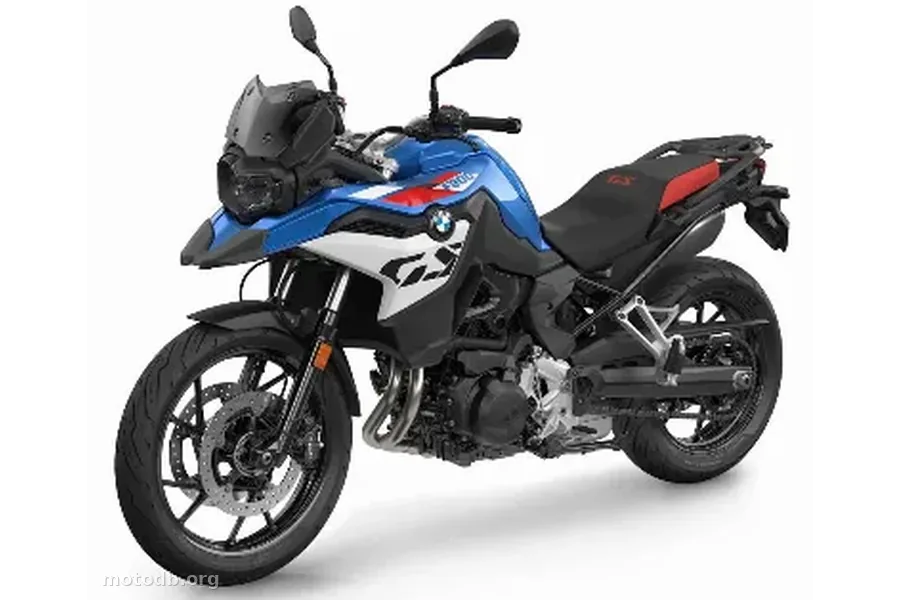
Key performance
Technical specifications
Engine
- Displacement
- 798 cc
- Power
- 85.0 ch @ 7500 tr/min (62.0 kW)
- Torque
- 83.0 Nm @ 5750 tr/min
- Engine type
- Twin, four-stroke
- Cooling
- Liquid
- Compression ratio
- 12.0:1
- Bore × stroke
- 82.0 x 75.6 mm (3.2 x 3.0 inches)
- Valves/cylinder
- 4
- Fuel system
- Injection. Electroinc intake pipe injection, digital engine management (BMS-K+)
- Valve timing
- Double Overhead Cams/Twin Cam (DOHC)
- Lubrication
- Dry sump
- Starter
- Electric
Chassis
- Frame
- Tubular steel space frame, load-bearing engine
- Gearbox
- 6-speed
- Final drive
- Chain (final drive)
- Clutch
- Multiple-disc clutch in oil bath, mechanically operated
- Front suspension
- Upside-down telescopic fork, 43 mm
- Rear suspension
- Cast aluminium dual swing arm, WAD strut (travel related damping), spring pre-load hydraulically adjustable (continuously variable) at handwheel, rebound damping adjustable
- Front wheel travel
- 230 mm (9.1 inches)
- Rear wheel travel
- 215 mm (8.5 inches)
Brakes
- Front brakes
- Double disc. ABS. Floating discs. Two-piston calipers.
- Rear brakes
- Single disc. ABS. Floating disc. Single-piston caliper.
- Front tyre
- 90/90-21
- Rear tyre
- 150/70-17
Dimensions
- Seat height
- 880.00 mm
- Wheelbase
- 1573.00 mm
- Length
- 2300.00 mm
- Width
- 945.00 mm
- Height
- 1350.00 mm
- Fuel capacity
- 16.00 L
- Weight
- 217.00 kg
Overview
Within Munich’s adventure range, the R 1200 GS has long dominated all the attention. The BMW F 800 GS, with its smaller 798 cc displacement, has been struggling in the shadow of the boxer heavyweight for years. However, when seeking a trail bike capable of swallowing trails without imposing the 238 kg weight and stratospheric price of the larger model, this F 800 represents a serious proposition. The 2017 version marks a new step in the maturation of this model, partly forced by Euro4 standards, but enriched with real functional advancements.
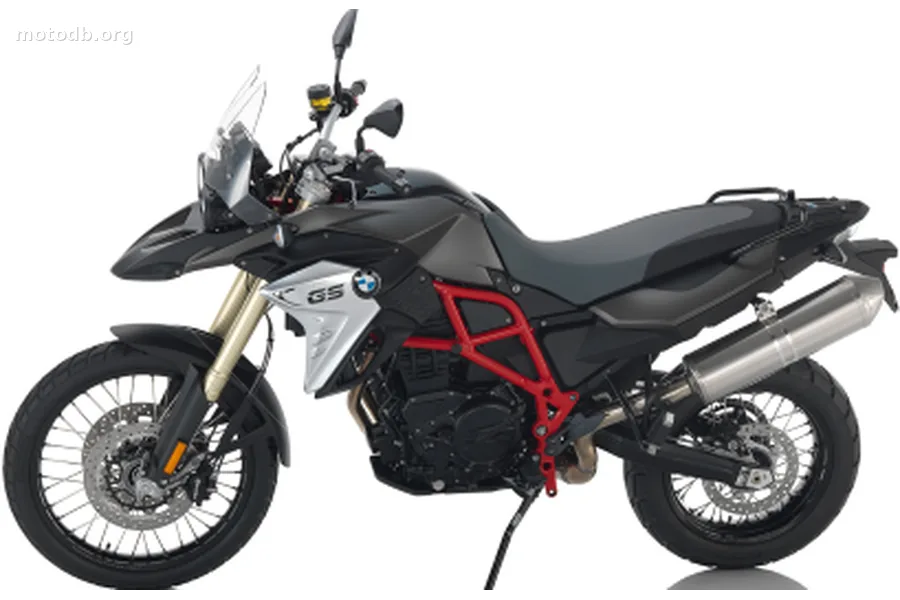
The 798 cc parallel-twin has not been fundamentally changed, and that’s a good thing: its 85 horsepower at 7500 rpm, combined with 83 Nm of torque at 5750 rpm, forms a frank character, without the jerks of a high-displacement single-cylinder and without the bulk of a four-cylinder. The weight, fully fueled, is 217 kg, about ten kilos less than the KTM 790 Adventure, which will compete with it in the same terrain a few years later. The announced top speed of 200 km/h clearly positions the motorcycle in a versatile register, neither racing nor exclusively off-road. What really changes in 2017 is the arrival of standard riding modes: Road for classic touring, Rain for rainy days. Riders who want to go further in the adjustment can opt for the optional Pro modes, including an Enduro that recalibrates ABS and traction control ASC for off-pavement excursions with road tires, and an Enduro Pro that completely deactivates the rear ABS and adapts the engine response for knobby tires. BMW isn’t inventing anything here; KTM and Ducati have been playing in this arena for a while, but the brand is catching up methodically.
The BMW F 800 GS seat height deserves particular mention: with four saddle variants and an optional suspension kit, the buyer has five possible seating positions, from 820 mm to 920 mm. This is a significant argument for riders shorter than average who often hesitate between accessibility and off-road capability. The standard 880 mm seat remains within the segment norm, but this flexibility contrasts with the usual rigidity of manufacturers on this point. For a used BMW F 800 GS, checking which saddle configuration was chosen by the first owner is therefore a useful reflex.
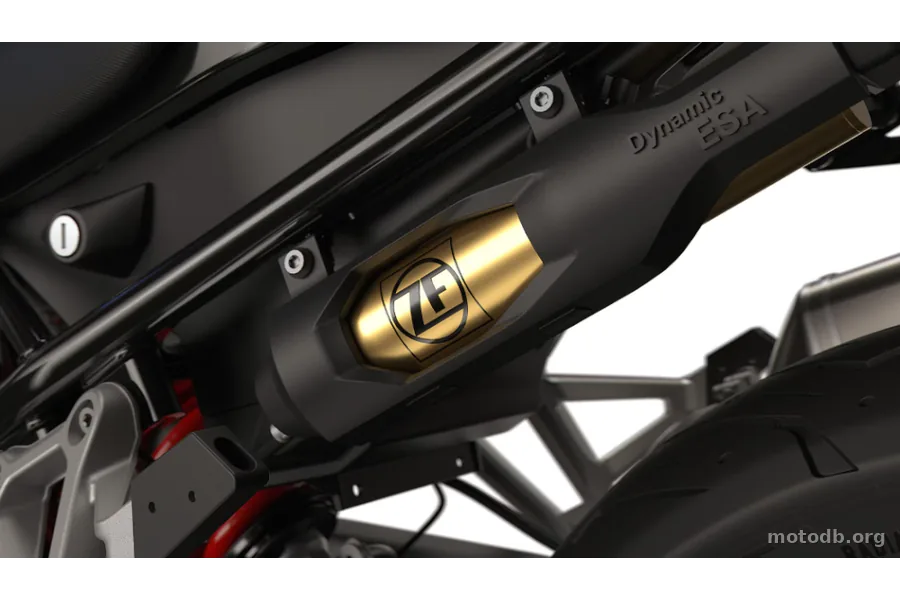
The steel tubular frame with engine as a stressed member remains unchanged, and the suspension receives an inverted 43 mm fork at the front, with a single adjustable shock absorber at the rear, adjustable for preload and rebound. As an option, the ESA pilot suspension automatically adjusts the damping according to the selected mode, Comfort, Normal or Sport. This is real comfort on long distances, even if the price of 11,810 euros in base version begins to weigh when adding the options. The Trophy finish is worth a look: wide handguards, aluminum skid plate, engine guard and center stand are all equipment that long-distance travelers appreciate from the first loaded trip.
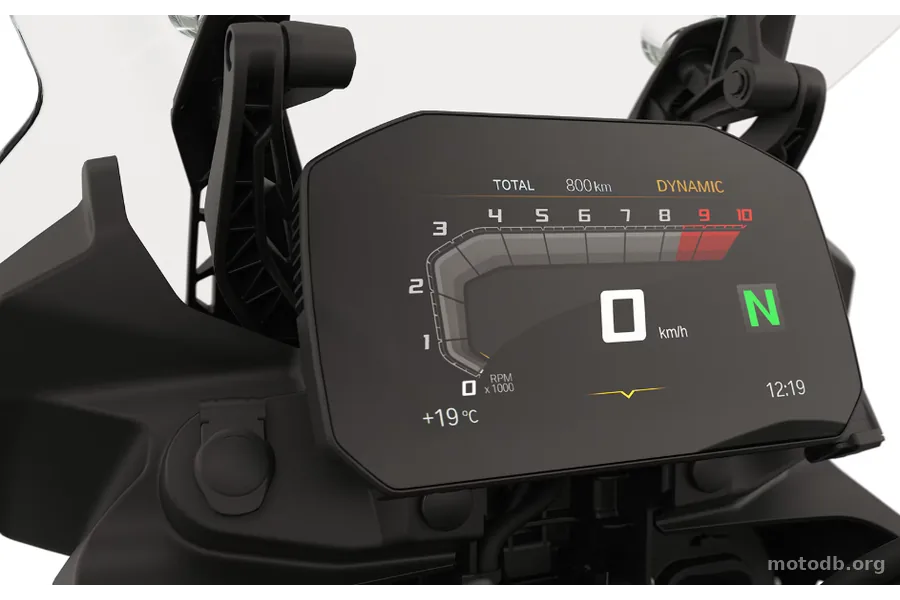
Overall, the 2017 BMW F 800 GS is aimed at a rider who wants trail versatility without the financial or physical commitment of the R 1200 GS. It suits both the urban motorcyclist who treats himself to weekend getaways and the medium-distance traveler who prefers a maneuverable bike on trails. The 48 horsepower restriction option for the A2 license further expands the spectrum. It’s not the sharpest on single tracks, nor the most comfortable on the highway against a Africa Twin, but it occupies its niche with consistency. The fact that searches for new BMW F 800 GS price and BMW F 800 GS adventure remain lively years after its launch says something about its solidity in the used market.
Indicators & positioning
Similar bikes
TIGER 800 XC Special Edition
Reviews & comments
No reviews yet. Be the first to share your opinion!