Key performance
Technical specifications
Engine
- Displacement
- 865 cc
- Power
- 67.0 ch @ 7500 tr/min (49.3 kW)
- Torque
- 66.7 Nm @ 5800 tr/min
- Engine type
- Bicylindre parallèle, 4 temps
- Cooling
- combiné air / huile
- Compression ratio
- 9.2 : 1
- Bore × stroke
- 90 x 68 mm
- Valves/cylinder
- 4
- Camshafts
- 2 ACT
- Fuel system
- Injection
Chassis
- Frame
- Double berceau en acier
- Gearbox
- boîte à 5 rapports
- Final drive
- Chaîne
- Front suspension
- Fourche téléhydraulique Ø 41 mm, déb : 120 mm
- Rear suspension
- 2 amortisseurs latéraux, déb : 105 mm
Brakes
- Front brakes
- Freinage 1 disque Ø 310 mm, étrier 2 pistons
- Rear brakes
- Freinage 1 disque Ø 255 mm, étrier 2 pistons
- Front tyre
- 110/70-17
- Rear tyre
- 130/80-17
Dimensions
- Seat height
- 740.00 mm
- Fuel capacity
- 16.60 L
- Weight
- 225.00 kg
- Dry weight
- 200.00 kg
- New price
- 8 390 €
Overview
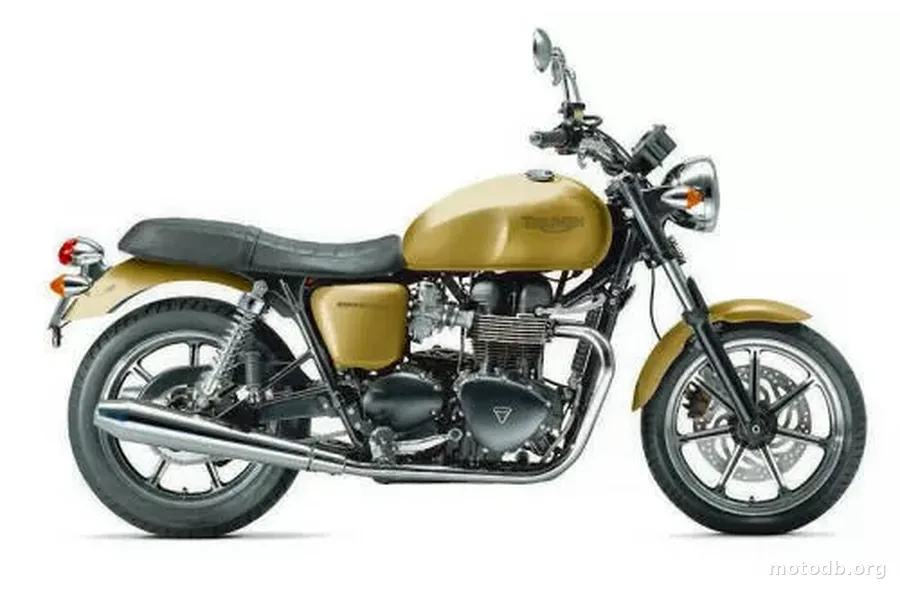
Who still remembers the ignition key hidden under the left turn signal? That little detail sums up the spirit of the Triumph 865 Bonneville perfectly: a motorcycle that cultivates the charm of an era when ergonomics took a back seat to aesthetics. With its two-tone paint, finely crafted chrome, and a parallel twin whose design evokes the Meriden workshops, the 2011 Bonnie plays the neo-retro card with disarming sincerity. The Kawasaki W650 offered the same recipe, but Triumph holds the advantage of historical authenticity. The name alone is worth its weight in gold.
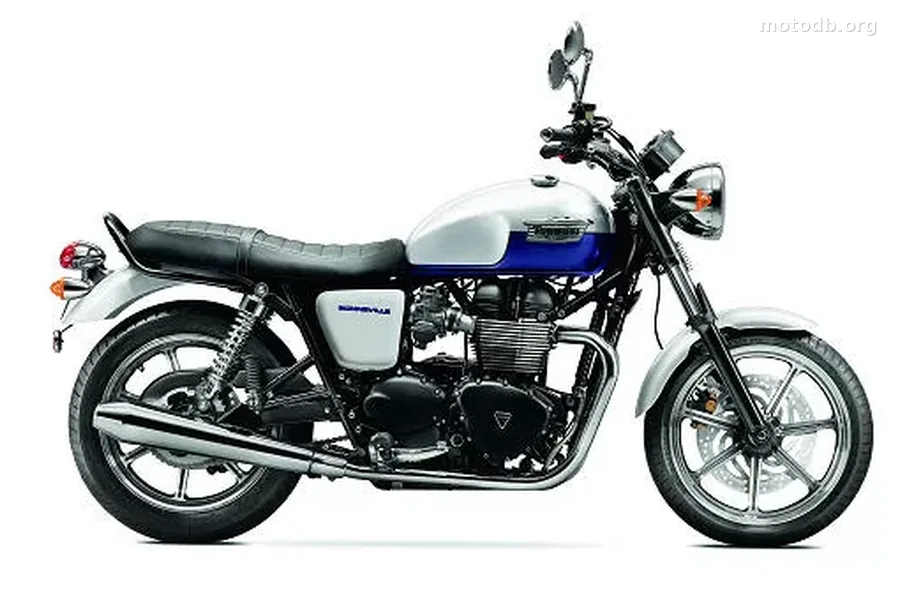
Beneath the 16.6-litre tank, the 865 cc twin develops 67 horsepower at 7500 rpm and 66.7 Nm of torque at 5800 rpm. Modest figures, unapologetically so. The oversquare architecture, with a 90 mm bore and 68 mm stroke, combined with the double overhead camshafts, keeps vibrations well in check. The result is an engine with a smoothness almost too polished for a 360° parallel twin. Since 2008, fuel injection has replaced the carburettors, cleverly concealed behind dummy carb bodies so as not to betray the vintage lines. A smart compromise between modern reliability and old-world appearances. The five-speed gearbox and clutch contribute to the overall smoothness, even if first gear remains short. Only a faint whine from the valve train serves as a reminder that the engine is indeed spinning away.
On the road, the Triumph 865 Bonneville confirms its calling: cruising, not performance. Its 225 kg wet weight, carried by a steel double-cradle frame and a 41 mm fork, melts into the background in town and on country roads. Handling is responsive, straight-line stability is solid, and the low 740 mm seat height reassures shorter riders. The 110/70 and 130/80 tyres on 17-inch rims, adopted with the 2009 update, modernise the handling without diluting the character. Braking is handled by a single 310 mm front disc and a 255 mm rear disc with two-piston calipers — it gets the job done without drama. Not enough to attack a tight set of bends, but perfectly consistent with the placid temperament of the whole package.
The downside shows up on longer rides. The seat, too flat and too firm, becomes a punishment after an hour on the road. The twin rear shocks, limited to 105 mm of travel, cope poorly with road joints and rough tarmac. The motorway isn't its playground either: topping out at 170 km/h, the twin runs out of breath quickly, and the complete absence of a fairing turns every kilometre into a neck-muscle workout. The Bonnie is no tourer, and it's best to accept that from the start.
So who is it for? The urban or suburban rider looking for a machine that delivers gentle sensations — an object as pleasant to look at as it is to ride on short trips. At €8,390 in 2011, the Triumph 865 Bonneville was pitched against far more powerful Japanese roadsters, but it was selling something else entirely: style, heritage, a kind of mechanical serenity. Customisation enthusiasts also find plenty to work with, as the platform spawned variants like the Triumph 865 Bonneville T100 Steve McQueen 2012, proof that Hinckley knew how to mine the nostalgia vein to the very end. Not the motorcycle of the century, but a faithful companion for those who know where they're going. And above all, at what pace.
Practical info
- La moto est accessible aux permis : A
Indicators & positioning
Similar bikes
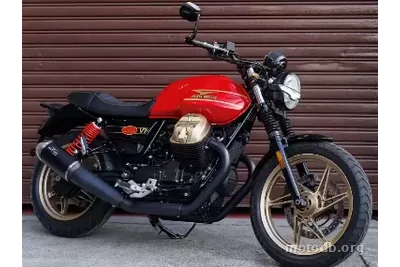
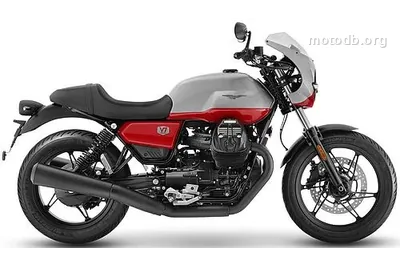
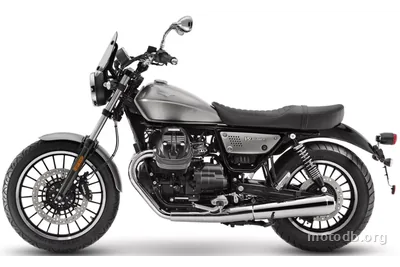
V7 Stone Centenario
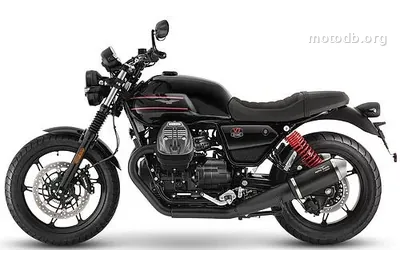
850 V7 Stone Special Edition
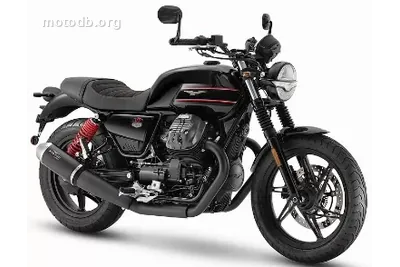
850 V7 Stone Ten
Reviews & comments
No reviews yet. Be the first to share your opinion!