Key performance
Technical specifications
Engine
- Displacement
- 865 cc
- Power
- 67.0 ch @ 7500 tr/min (49.3 kW)
- Torque
- 66.7 Nm @ 5800 tr/min
- Engine type
- Bicylindre parallèle, 4 temps
- Cooling
- combiné air / huile
- Compression ratio
- 9.2 : 1
- Bore × stroke
- 90 x 68 mm
- Valves/cylinder
- 4
- Camshafts
- 2 ACT
- Fuel system
- Injection
Chassis
- Frame
- Double berceau en acier
- Gearbox
- boîte à 5 rapports
- Final drive
- Chaîne
- Front suspension
- Fourche téléhydraulique Ø 41 mm, déb : 120 mm
- Rear suspension
- 2 amortisseurs latéraux, déb : 105 mm
Brakes
- Front brakes
- Freinage 1 disque Ø 310 mm, étrier 2 pistons
- Rear brakes
- Freinage 1 disque Ø 255 mm, étrier 2 pistons
- Front tyre
- 110/70-17
- Rear tyre
- 130/80-17
Dimensions
- Seat height
- 740.00 mm
- Fuel capacity
- 16.60 L
- Weight
- 225.00 kg
- Dry weight
- 200.00 kg
- New price
- 8 390 €
Overview
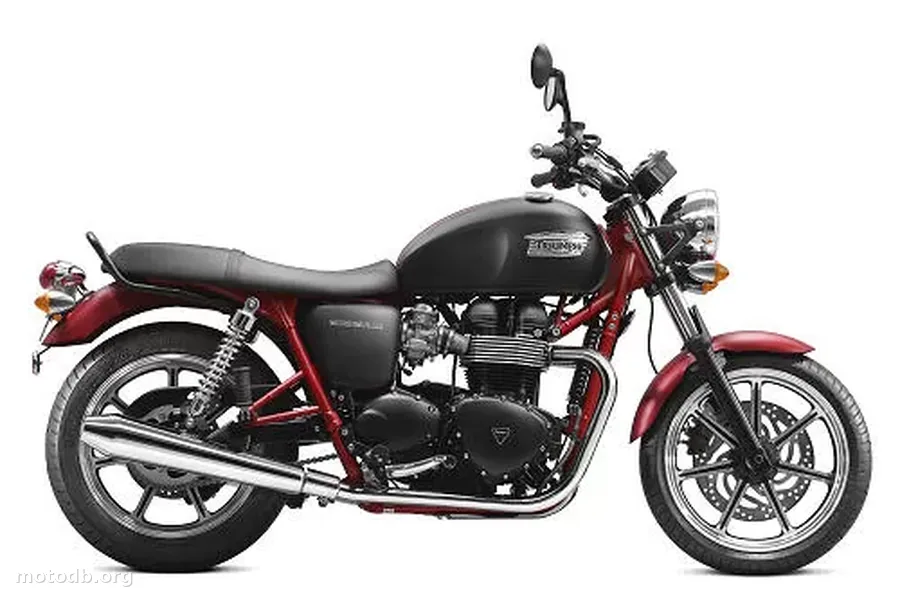
Who still remembers when Triumph decided to resurrect a legend? The Triumph 865 Bonneville, in this 2010 vintage, embodies Hinckley's stubborn determination to revive the British golden age. Two-tone paint, generous chrome, a silhouette that reeks of the sixties. The Kawasaki W650, another nostalgia machine, immediately comes to mind, but the Bonnie plays in a slightly different league. It doesn't just mimic the past — it tries to make it livable on a daily basis. And it's precisely in this balancing act between heritage and modernity that the English beauty reveals both its strengths and its limitations.
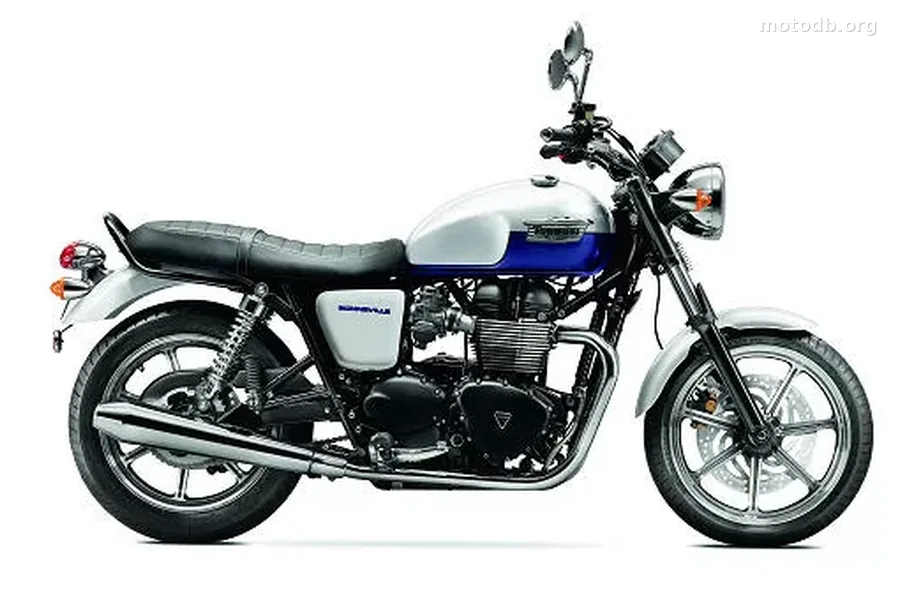
Beneath the 16.6-liter tank, the 865 cc parallel twin develops 67 horsepower at 7,500 rpm and 66.7 Nm of torque at 5,800 rpm. Modest figures, and unapologetically so. This 360° twin favors smoothness over performance. The over-square architecture, with a 90 mm bore and 68 mm stroke, gives it a rare refinement for a parallel twin. You turn the ignition, hidden beneath the left turn signal in a questionable nod to aesthetic authenticity, and the engine awakens with a muffled purr. Since 2008, fuel injection has replaced the carburetors, cleverly concealed behind dummy carb bodies so as not to offend the purists. The five-speed gearbox is smooth, the clutch progressive. Only a faint whine from the valve train reminds you the engine is running at all. Nothing brutal, nothing thrilling either. The Bonneville doesn't claim to tear up the tarmac. It prefers to caress it.
On the road, the 225 kg wet weight fades from mind thanks to a low 740 mm seat height and a well-placed center of gravity. The steel double-cradle frame, 41 mm telescopic fork, and twin rear shocks form a sound, predictable package. City maneuverability is confident, highway stability reassuring. But don't ask it to play sports bike. The chassis, like the engine, doesn't appreciate being rushed. The suspension, limited to 120 mm of travel up front and 105 mm at the rear, copes poorly with rough roads. The seat, too firm and too flat, turns any ride longer than an hour into an ordeal for your backside. The braking, with its single 310 mm front disc gripped by a two-piston caliper, gets the job done without enthusiasm. Adequate for the pace the bike dictates, inadequate if you compare it to what a Street Triple already offered at the time.
The Triumph 865 Bonneville is aimed at those seeking a cruising bike, a style statement as much as a means of transport. It speaks to urban riders, to Sunday morning enthusiasts on back roads, to nostalgics who want a foot in the legend without giving up electric start and fuel injection. At €8,390 in 2010, it was positioned against the Kawasaki W650, certainly, but also against the first Royal Enfields that were beginning to make their presence felt on the European market. The Bonnie had Triumph's build quality and a solid dealer network in its favor. Worth noting that this platform also spawned more focused variants, such as the Triumph 865 Bonneville T100 Steve McQueen from 2012, a special edition that pushed the nostalgia dial even further.
The 2010 Bonneville is not a bike that sets your heart racing at 8,000 rpm. It delivers neither thrills nor adrenaline rushes. It offers something else entirely — a quiet pleasure, a mechanical elegance, a kind of sincerity. It's a faithful companion for those who accept its limitations. Not a disguised sports bike, not a comfortable tourer, just a Bonnie. And sometimes, that's exactly what you need.
Practical info
- La moto est accessible aux permis : A
Indicators & positioning
Similar bikes
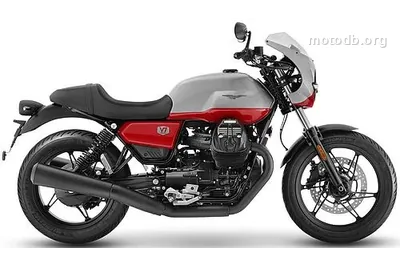
V7 Stone Centenario
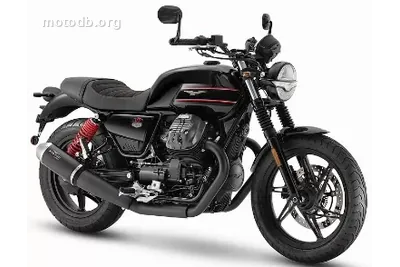
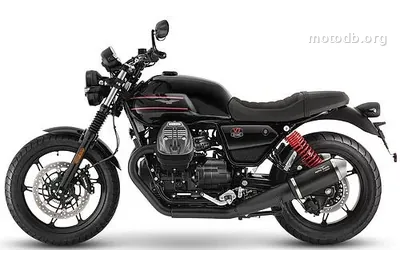
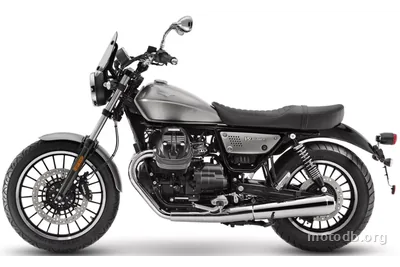
850 V7 Stone Ten
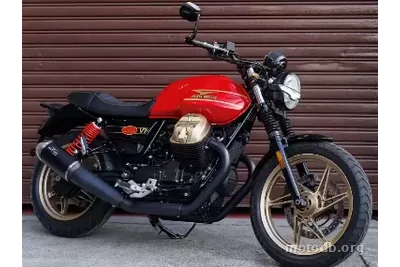
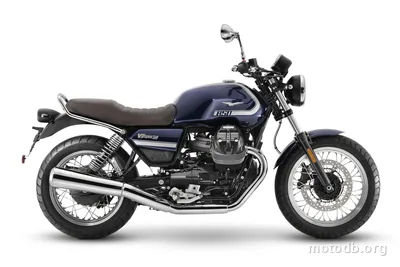
850 V7 Stone Special Edition
Reviews & comments
No reviews yet. Be the first to share your opinion!