Key performance
Technical specifications
Engine
- Displacement
- 599 cc
- Power
- 78.0 ch @ 10500 tr/min (57.4 kW)
- Torque
- 58.8 Nm @ 9500 tr/min
- Engine type
- 4 cylindres en ligne, 4 temps
- Cooling
- combiné air / huile
- Compression ratio
- 11.3 : 1
- Bore × stroke
- 62.6 x 48.7 mm
- Valves/cylinder
- 4
- Camshafts
- 2 ACT
Chassis
- Frame
- Double berceau tubulaire en acier
- Gearbox
- boîte à 6 rapports
- Final drive
- Chaîne
- Front suspension
- Fourche téléhydraulique Ø 41 mm, déb : 130 mm
- Rear suspension
- Mono-amortisseur, déb : 130 mm
Brakes
- Front brakes
- Freinage 2 disques Ø 290 mm, étrier 2 pistons
- Rear brakes
- Freinage 1 disque Ø 240 mm, étrier 2 pistons
- Front tyre
- 120/60-17
- Front tyre pressure
- 2.25 bar
- Rear tyre
- 160/60-17
- Rear tyre pressure
- 2.50 bar
Dimensions
- Seat height
- 790.00 mm
- Fuel capacity
- 20.00 L
- Dry weight
- 204.00 kg
- New price
- 5 899 €
Overview
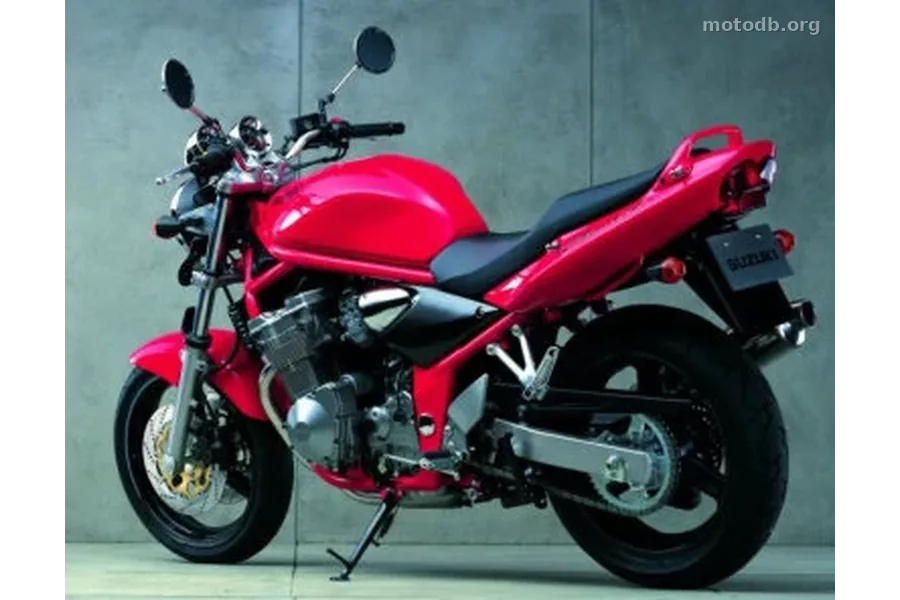
What explains a motorcycle staying, year after year, at the top of the sales charts in France? Not raw power, not a revolutionary design. Rather, that rare ability to tick every box without ever emptying a wallet. The 2001 Suzuki GSF 600 Bandit embodies this philosophy with a consistency that commands respect. Suzuki didn't try to reinvent the wheel with this generation. The manufacturer took a recipe that worked and refined it with precision. The steel double-cradle frame still houses the air and oil-cooled 599 cc inline four-cylinder inherited from the earlier GSX-R models. With 78 hp at 10,500 rpm and 58.8 Nm of torque peaking at 9,500 rpm, we're not talking about a powerhouse. We're talking about a straightforward, honest engine that gained 4 hp over the previous version thanks to discreet work on the mid-range. The S version, with its slightly aggressive fairing design, brings a real visual identity and, more importantly, welcome wind protection. The N version, a naked roadster in the purest tradition, wins over riders with its round headlight and unapologetic chrome accents.
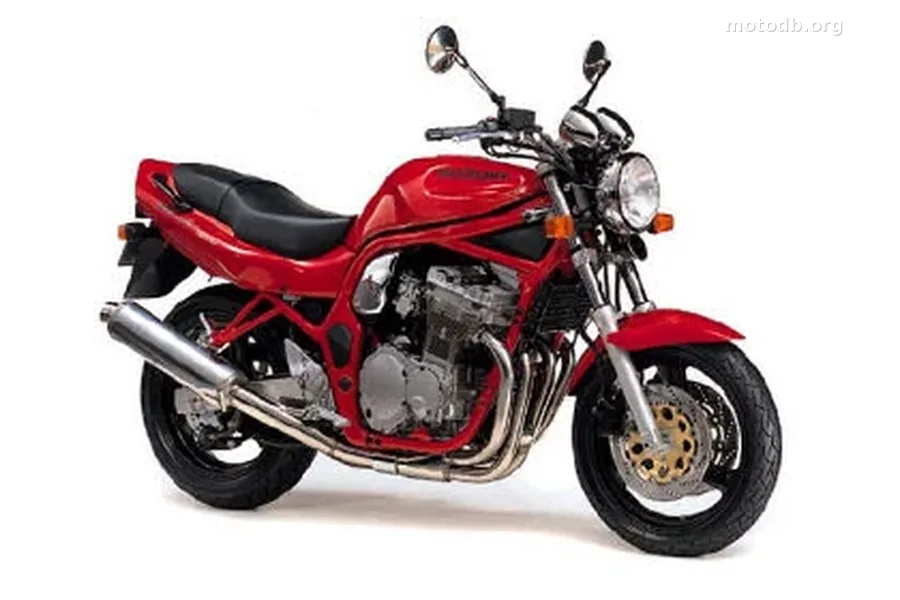
On the road, the Bandit 600 reveals a temperament in two acts. Below 6,000 rpm, the four-cylinder feels a bit lazy, with the torque lacking smoothness in that range. This is a well-known trait of this engine, which Suzuki would later address in the 2005 model year. Past that threshold, the engine changes character and pulls with conviction all the way to the redline, around 12,000 rpm. The claimed 200 km/h top speed is realistic, but this is clearly not where the Bandit is at its best. Against a Yamaha FZ6 Fazer or a Honda CBF 600, the Suzuki plays a more classic, less technological hand—but one whose mechanical simplicity has proven itself over the long term.
The chassis demands a gentle touch. The 41 mm telescopic hydraulic fork and the rear mono-shock, both with 130 mm of travel, do their job without fanfare. On rough roads, the rear end feels firm, sometimes harsh, and cornering requires anticipation rather than aggression. This is a motorcycle that rewards smooth riding, not brutality. The braking, handled by two 290 mm front discs and a 240 mm rear disc, delivers progressive and adequate stopping power without excessive bite. Nothing sporty, but a reassuring effectiveness for a rider building confidence.
The comfort question deserves to be addressed honestly. On the N version, with no wind protection, the highway becomes grueling beyond 120 km/h. The firm seat makes its presence known after 200 kilometers, for both rider and passenger. The 20-liter tank allows decent range, but for serious touring, a few modifications are in order. On the maintenance front, the Bandit plays its strongest card. The air/oil-cooled engine, free of any liquid cooling system, simplifies servicing. A home oil change costs a fraction of the dealer price, and service intervals remain reasonable. This mechanical accessibility plays a large part in the model's near-legendary reputation for reliability.
At 5,899 euros in 2001, the Suzuki GSF 600 Bandit hit the mark. It was aimed at beginner or intermediate riders, at those looking for a first "real" all-around motorcycle without blowing their budget. Not the most exciting in its class, not the most refined, but probably the most sensible. At 204 kg dry and with a seat height of 790 mm, it remains physically accessible to the vast majority of body types. This is the kind of machine you buy to learn on, keep longer than you planned, and sell with a pang of regret. The kind of motorcycle that doesn't make you dream on a poster, but that builds riders.
Practical info
- Moto bridable à 34 ch pour l'ancien permis A MTT1 - pas garanti pour le permis A2
- La moto est accessible aux permis : A, A (MTT1)
Indicators & positioning
Similar bikes
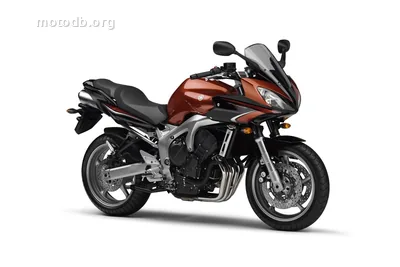
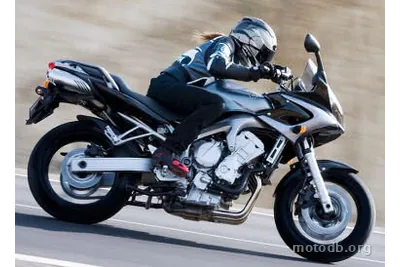
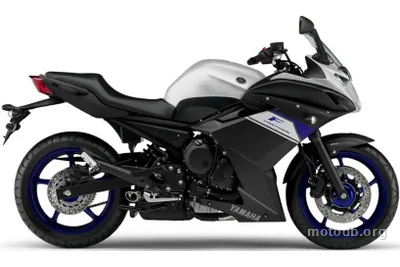
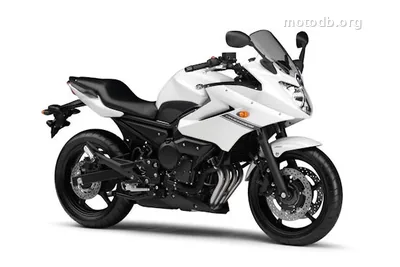
XJ6 600 Diversion
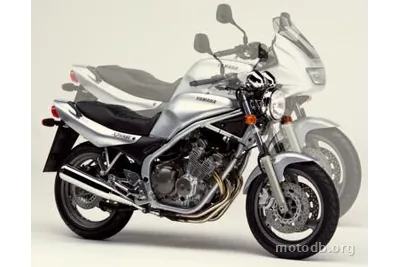
XJ 600 Diversion N et S
Reviews & comments
No reviews yet. Be the first to share your opinion!